By | March 09 2012 2:53 PM

1 of 7
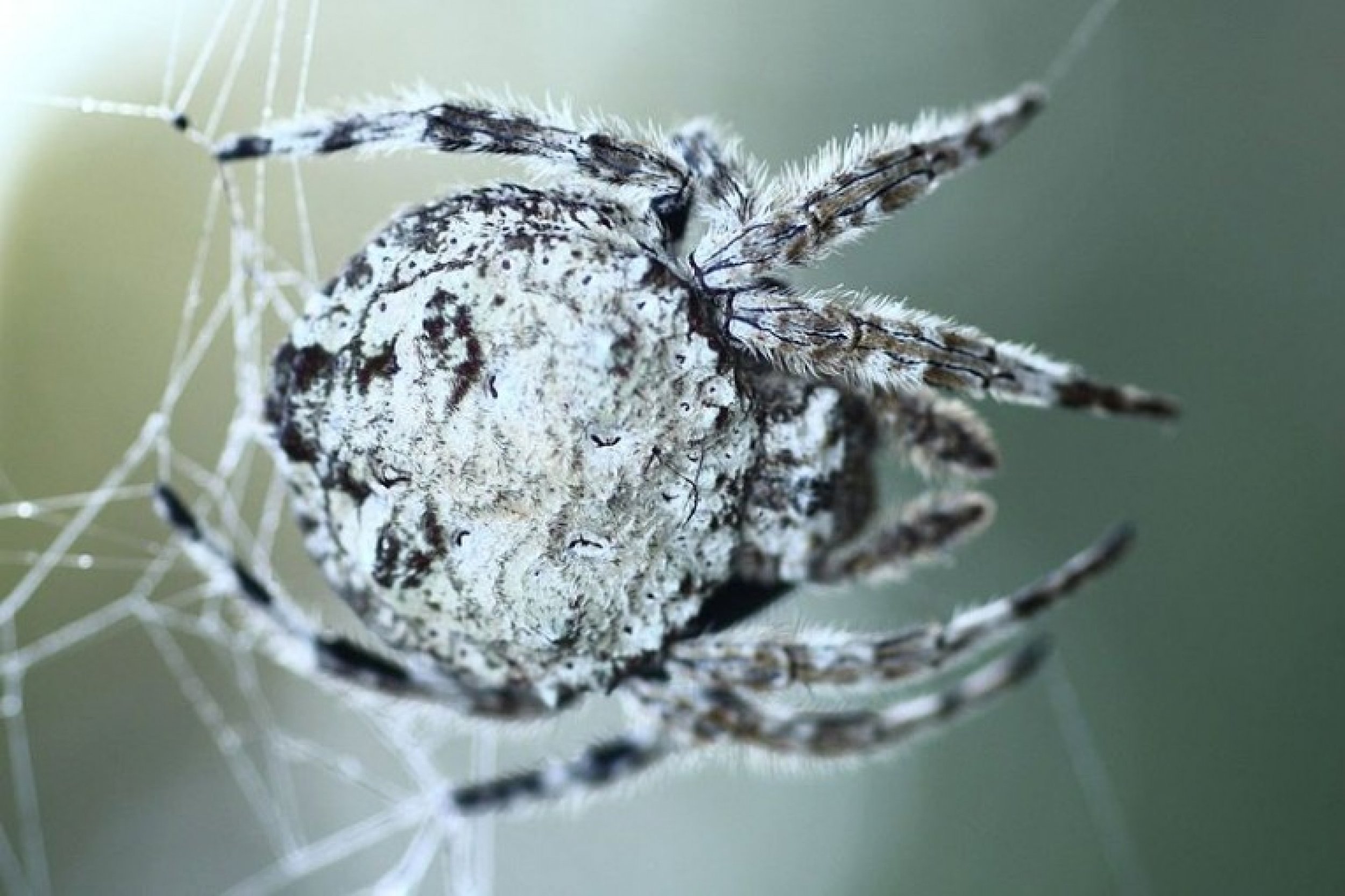
1. Spiders That Build 80-Foot Webs (Discovered 2009)
Photo: GalliasM/Creative Commons

1. Spiders That Build 80-Foot Webs (Discovered 2009)

What It Does: The Darwin’s bark spider makes gigantic webs that stretch to 82 feet, spanning a river bed or roughly the length of two buses. In order to support the web’s weight, the spider’s silk is one of the strongest materials known to man, ten times stronger than Kevlar. Why It’s Horrifying: Sure, not a single one of the Madagascar locals, including the much-larger females, have been known to get larger than 2 cm across. But anyone who’s read the Shelob passage in Tolkien’s “The Lord of the Rings: The Two Towers” has imagined what it would be like to run into a giant spider web and be caught in it. With webs spanning rivers, that nightmare could become a reality.
2. Brain-Controlling Fungi (Discovered 2011)
Photo: YouTube Still

2. Brain-Controlling Fungi (Discovered 2011)

What It Does: These parasites take over an ant’s mind, forcing the insect to anchor itself on a leaf near its colony before shooting a long stalk straight out of the ant’s head, shooting out spores to infect other ants. Why It’s Horrifying: There are literally thousands of these “zombie fungi” in the world, designed to take over and destroy a specific type of insect. Sure, these parasites operate as crowd control, trimming insect populations in the jungle. But that doesn’t stop them from being one step away from the pod people from “Invasion of the Body Snatchers.”
3. Leeches That Saw Through Your Skin (2007)
Photo: Wiki Commons

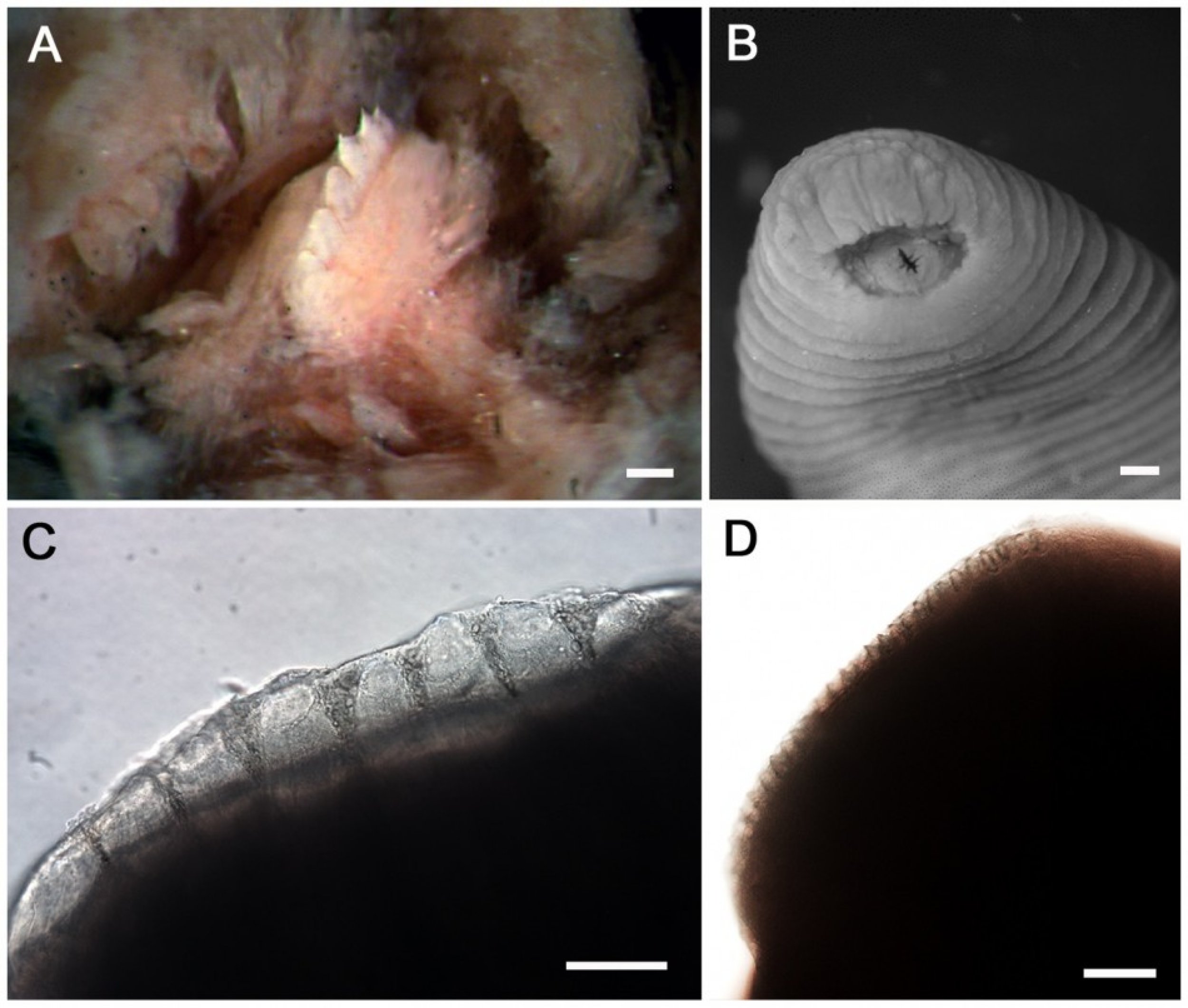
3. Leeches That Saw Through Your Skin (2007)

What It Does: The three-inch leech now called Tyrannobdella rex was discovered in Peru when a doctor found one inside the head of a nine-year-old girl. This creature has teeth five times the size of an average leech, and uses them to saw under the skin to feed off of the mucus membranes in animals’ soft tissues. Why It’s Horrifying: Um, hello. It was found inside her head! For anyone who’s stayed up late watching one of the endless “Tremors” sequels on SyFy, and anyone who had to put the book down when Stephen King’s “It” got to the part about monster leeches… this is pretty much your worst nightmare, made flesh.
4. Giant, Mandible-Pinching ‘Warrior Wasps’ (2011)
Photo: YouTube Still

4. Giant, Mandible-Pinching ‘Warrior Wasps’ (2011)

What It Does: This new species, discovered on the Indonesian island of Sulawesi, is called the “warrior wasp” because of its gigantic mandibles and overall size---males can measure two and a half inches. Why It’s Horrifying: This “Komodo dragon of the wasp family” has jaws so big that they wrap around either side of the flying insect’s head when its mouth is closed. Scientists still aren’t sure quite what it uses these mouth-pieces for, though some suggest that they are used in mating. For anyone old enough to have seen the 1954 classic “Them!” however: take those movie monsters and give them stingers and wings.
5. Pitcher Plants Big Enough To Eat Rats (2007)
Photo: YouTube Still

5. Pitcher Plants Big Enough To Eat Rats (2007)

What It Does: While most carnivorous plants are only large enough to snack on the occasional fly, one species of pitcher plant called Nepenthes attenboroughii, discovered in the Philippines, has a “mouth” measuring up to a foot in diameter, and is large enough to eat rodents. Why It’s Horrifying: Carnivorous plants “eat” their victims by slowly and horribly digesting them, which should already bring to mind nightmarish images like the Sarlacc from “Star Wars.” Couple that with the fact that it’s a giant plant already big enough to eat rats, and it won’t be long before those of us familiar with Audrey II from “Little Shop of Horrors” start thinking twice about ever investing in a Venus flytrap.
6. Cockroaches... That Can Jump
Photo: YouTube Still

6. Cockroaches... That Can Jump

What It Does: The "leaproach," discovered in South Africa, is not only the only species of cockroach that can jump; it’s also able to spring from place to place with twice the jumping power of your average grasshopper. Also with its freakish jumping powers, it also sports two protruding eyes on either side of its face rather than the usual “flat-face” look most roaches sport. Why It’s Horrifying: Nobody likes cockroaches. And nobody sane should like cockroaches with the ability to jump up into someone’s face. But possibly the worst part about the leaproach is that its backside looks exactly like the giant bug alien from “Men in Black”…complete with the gooey-looking coating.
7. ‘Hypervirulent,’ People-Killing Superfungus (2010)
Photo: 6keysoptimalhealth/CC

7. ‘Hypervirulent,’ People-Killing Superfungus (2010)

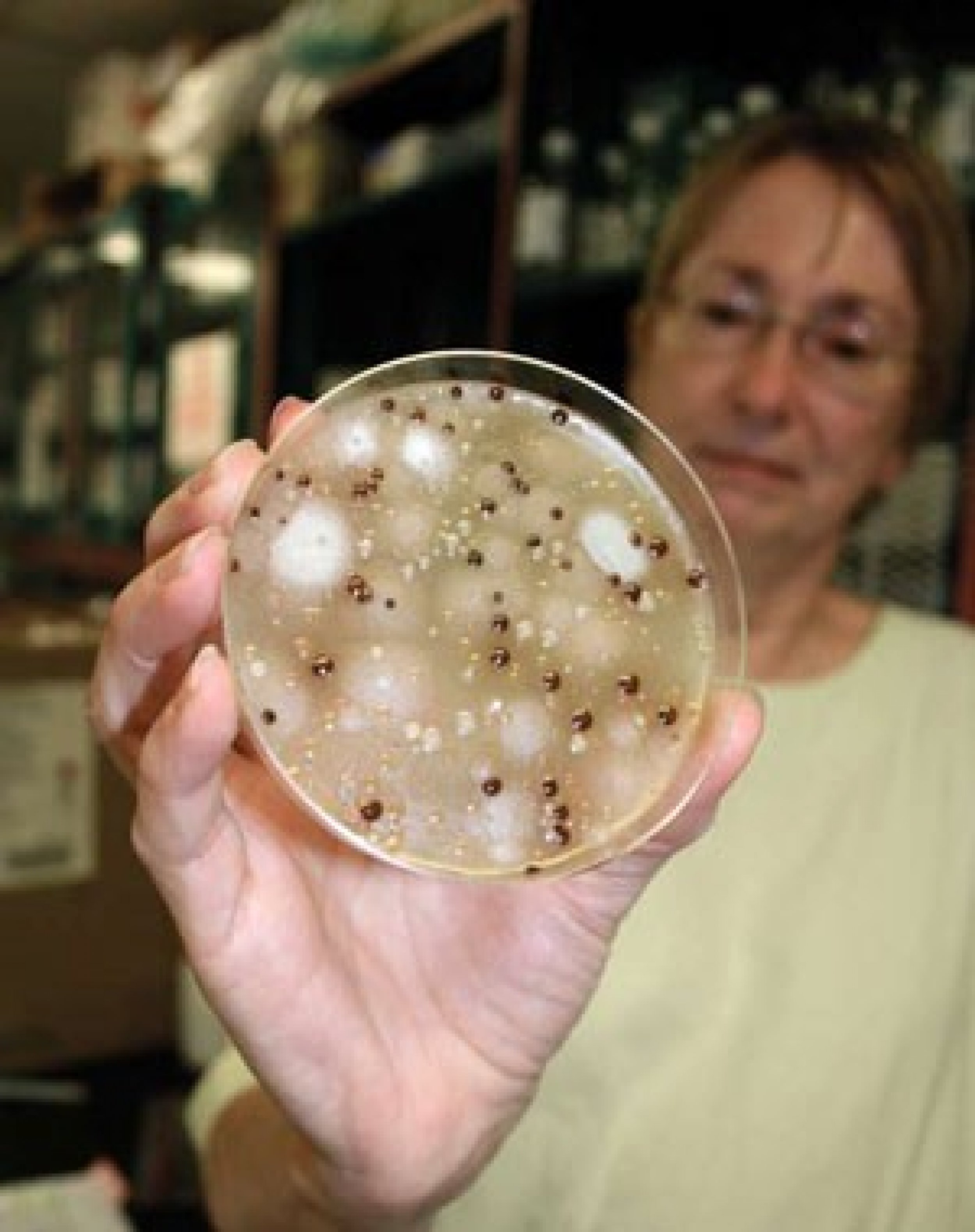
What It Does: When this new fungus strain, called the Cryptococcus Gattii, showed in Oregon, it killed half-a-dozen people. Although some experts said the strain was only dangerous for those with weak immune systems, National Geographic described the species using words like “hypervirulent,” deadly” and “fast-spreading.” Oh, and a “superfungus” spread not by touch or transfer of fluids, but simply by breathing in. Why It’s Horrifying: There is no preventive treatment for this fungus--the only way to combat it is to wait for the symptoms to appear. Since those symptoms include many benign things like headaches, red eyes and lethargy, it’s probably not surprising that news this fungus existed was a trigger for people who watched movies like “Infection,” “Contagion” and “Quarantine.”

When a new species is discovered, whether it be a new type of fungus or a strange sea creature from the ocean floor, scientists will usually describe it for laymen as something out of a science fiction movie.

Oftentimes, however, these same creatures prove just how much more fascinating--and terrifying--real life animals and plants can be compared to what sci-fi and fantasy authors dream up.

Take, for example, some of the creatures scientists discovered in 2011. A new strain of fungi that can make insects into its own personal zombies, giant-mouthed wasps, gooey-looking cockroaches with the ability to leap faster and farther than grasshoppers... and that's just from last year, alone.

In honor of the spider invasion currently taking over Australia, check out 7 recently discovered species of plants, animals and fungi that appear to have been taken straight out of a sci-fi/fantasy nightmare, whether it be leeches like those seen in Stephen King's IT or spiders whose webs put Shelob of The Lord of the Rings series to shame.

Click through the slideshow to see all tha fascinating, terrifying things out there in Mother Nature...and to see which countries you might want to check off your list of Places to Visit.

This slideshow information comes, in part, from CNN Science, Wired and Cracked.com.