

Chernobyl Disaster: Top 10 Worst Nuclear Disasters

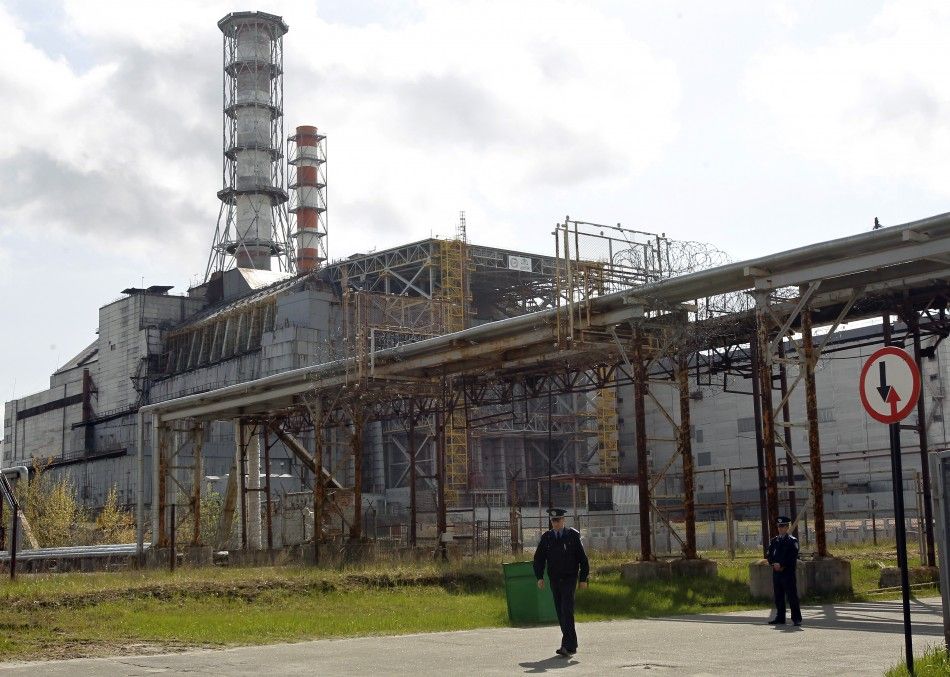
On the 26th anniversary of the Chernobyl disaster, Ukraine launched the construction of a new and improved shelter to permanently secure the traumatized plant.
Ukrainian President Viktor Yanukovych pressed the symbolic button at the construction site, while workers and ambassadors from countries including China and Japan watched on.
The president also spoke during the ceremony, which inaugurated the initial assembly of an enormous arch-shaped building that will essentially cover the remnants of the infamous exploded reactor.
The structure, which weighs an estimated 20,000 tons and is said to be big enough to house New York's State of Liberty, is due to be completed in 2015, allowing the delicate and dangerous job of dismantling the reactor and cleaning vast amounts of radioactive waste still around it to begin.
In the name of Ukraine, I express my deep thanks to all the donor countries to the Chernobyl Shelter Fund for their understanding and effective aid to our country in overcoming the consequences of the worst man-made disaster in human history, Yanukovych said, as cranes loomed over the site.
The project, which is expected to cost contributors around 1.5 billion euros, is intended to repair the damage from an explosion that occurred during testing at the power plant in the early hours of April 26, 1986.
The explosion resulted in radioactive fallout in the atmosphere which eventually spread across Europe, particularly contaminating Belarus, Ukraine and Russia.
The catastrophic event is widely considered to be the worst nuclear plant accident in history, and is one of only two events classified as a level 7 event on the International Nuclear Event Scale.
While a shelter called the sarcophagus was quickly built over the damaged reactor, in recent years it has reportedly been crumbling and leaking radiation.
Yanukovych said at the site that an estimated 2 million people have been hurt by the tragedy and it is the government's obligation to protect and treat them.
Regardless of his willingness to fix the problem at hand, About 2,000 protesters staged an angry rally outside parliament in Kiev, demanding an increase in compensations and pensions.
The demonstration was in response to benefits cuts of workers who were reportedly ordered to take part in the clean-up in Ukraine following the Chernobyl accident, working without adequate protection.
Yanukovych also thanked international donors for pledging $980 million to build the new shelter and a nuclear-fuel waste facility.
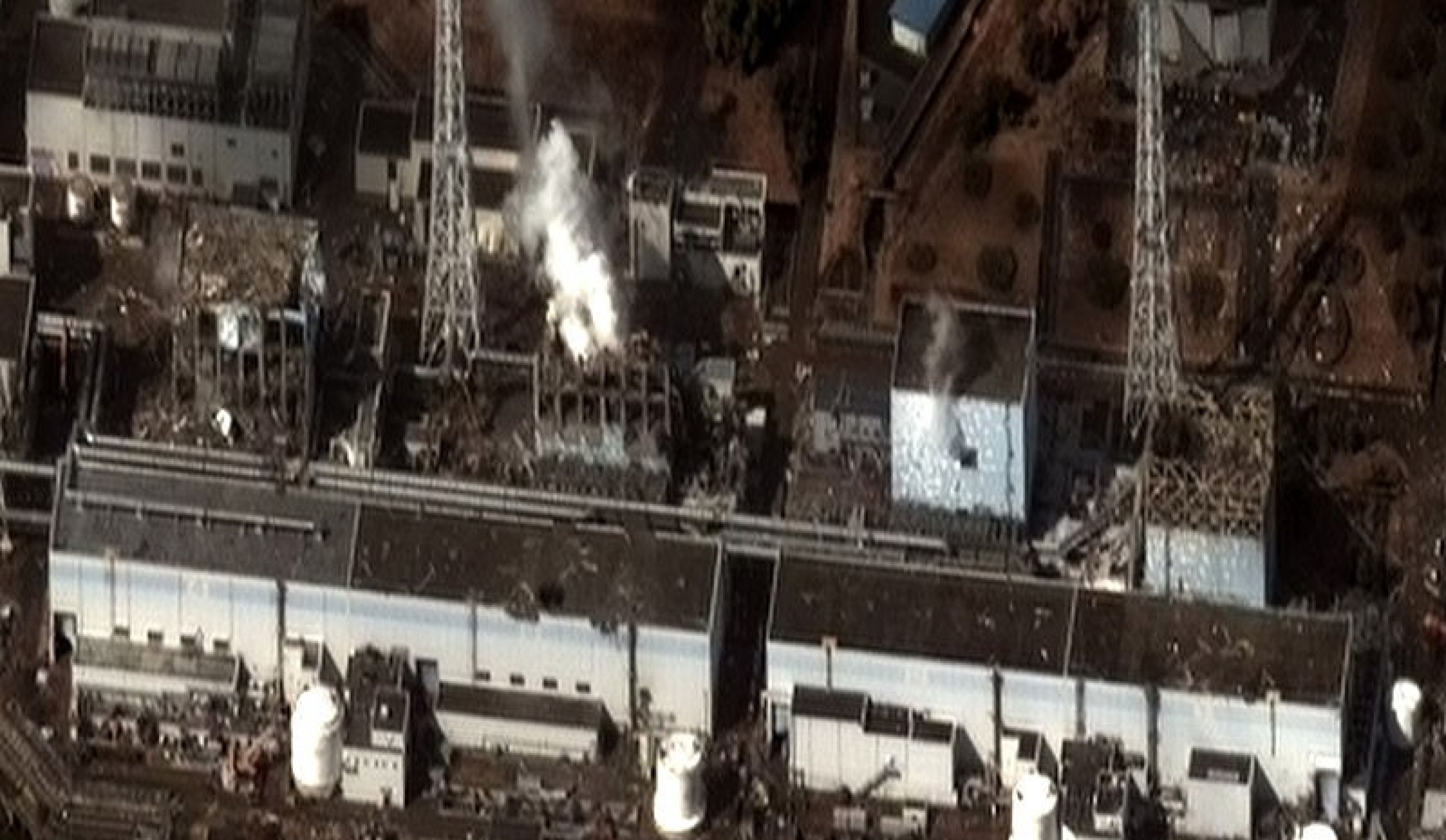
Among the biggest donors are the Group of Eight industrial nations, including Japan, which itself is still recovering from last year's Fukushima nuclear disaster.
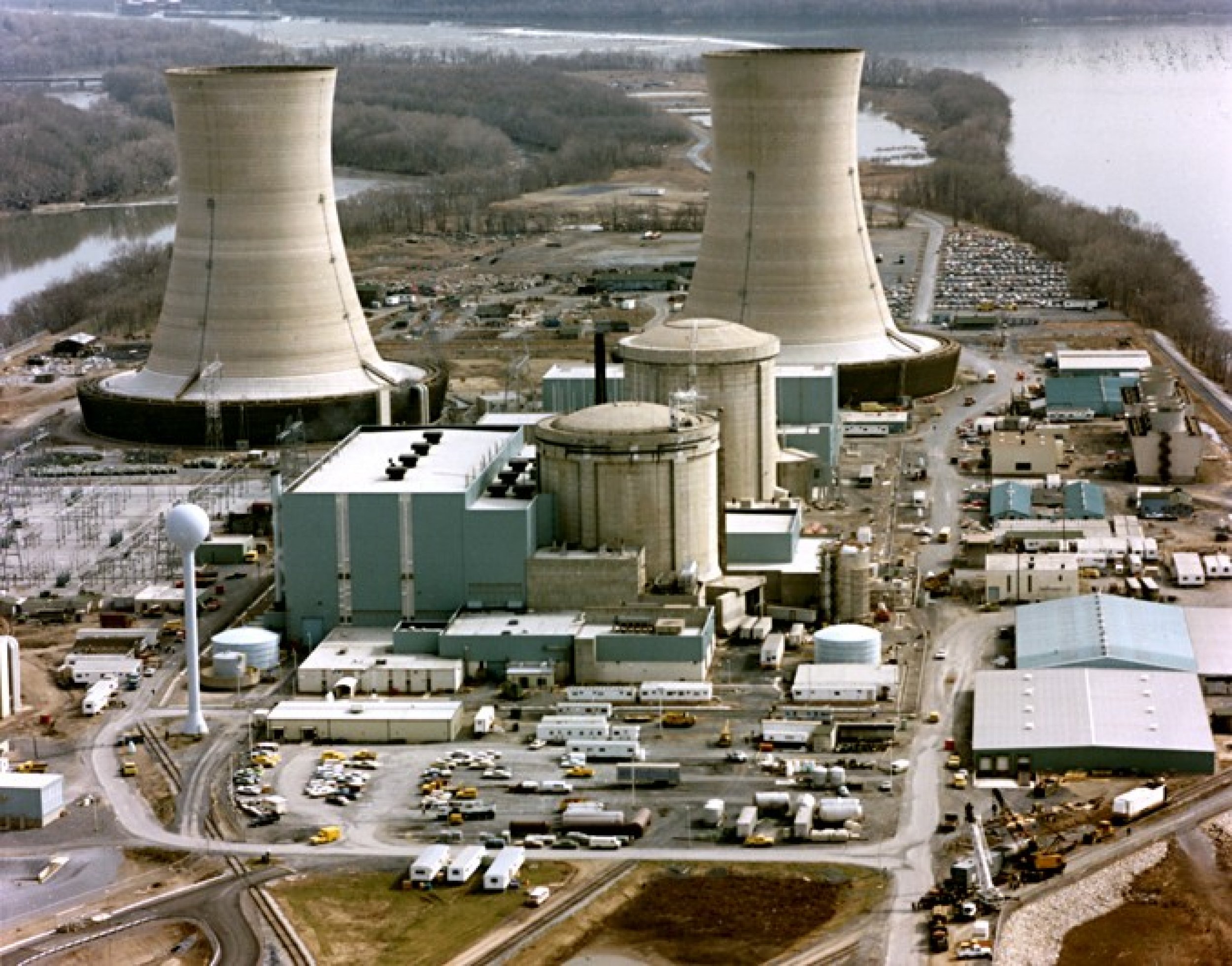
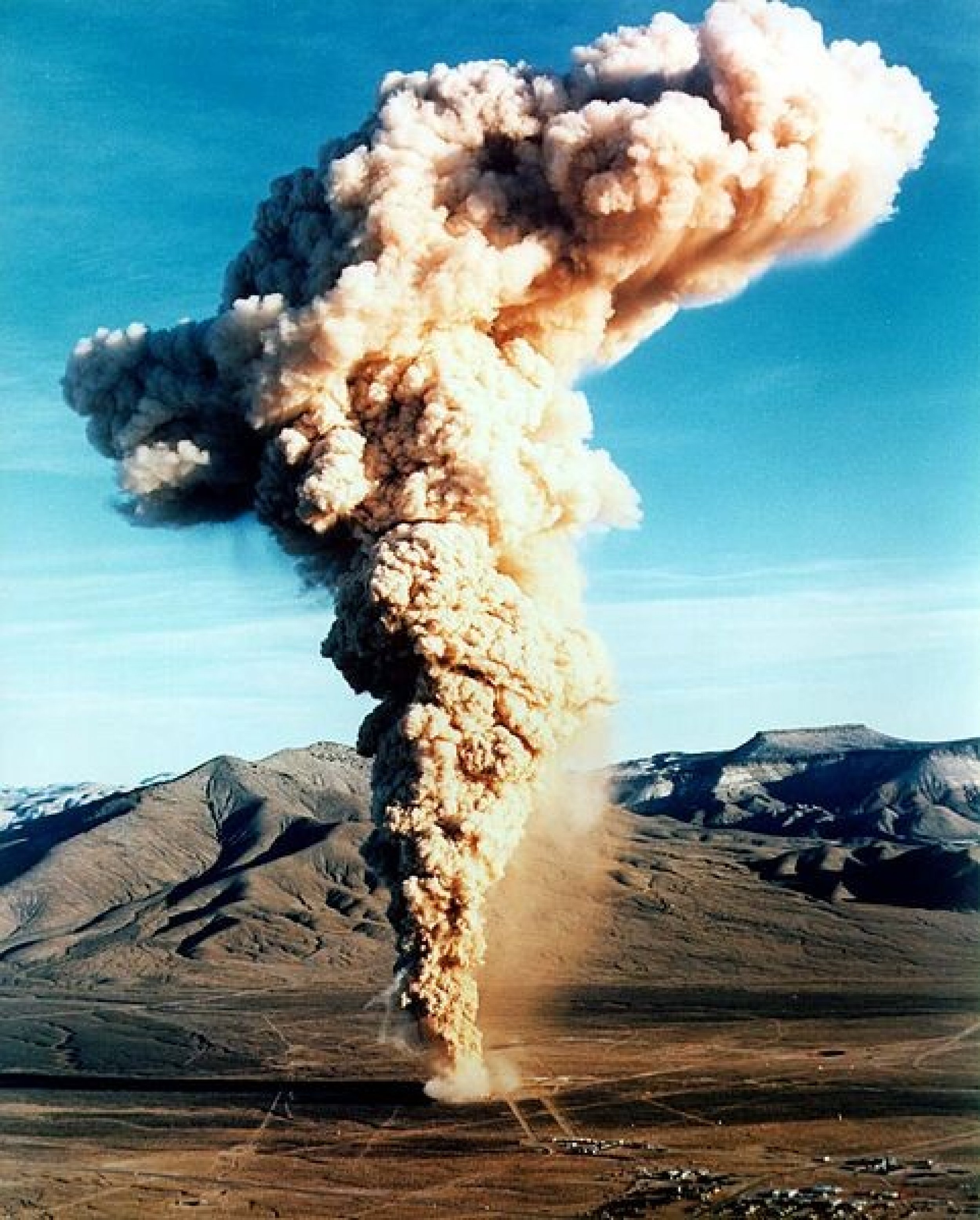
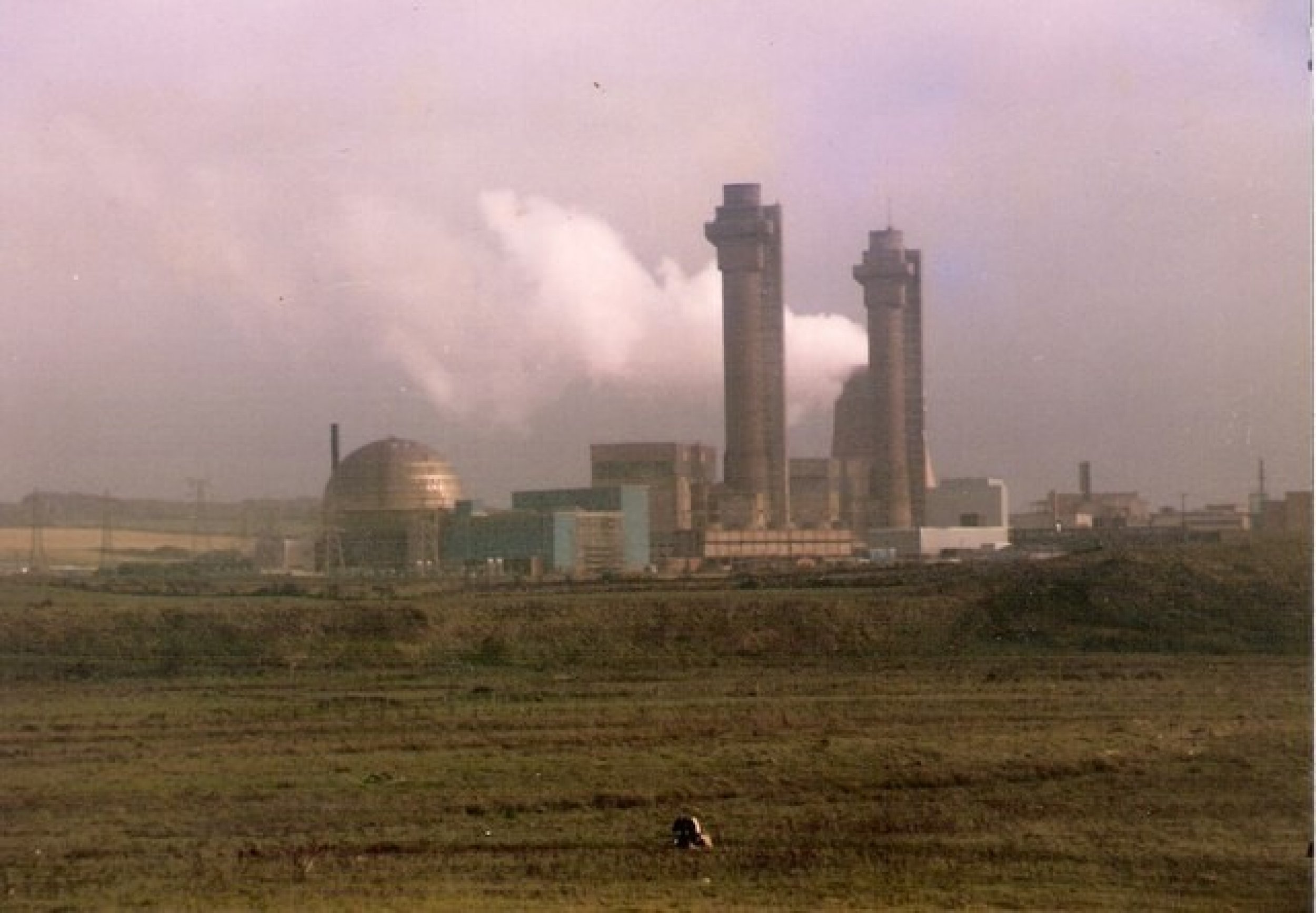
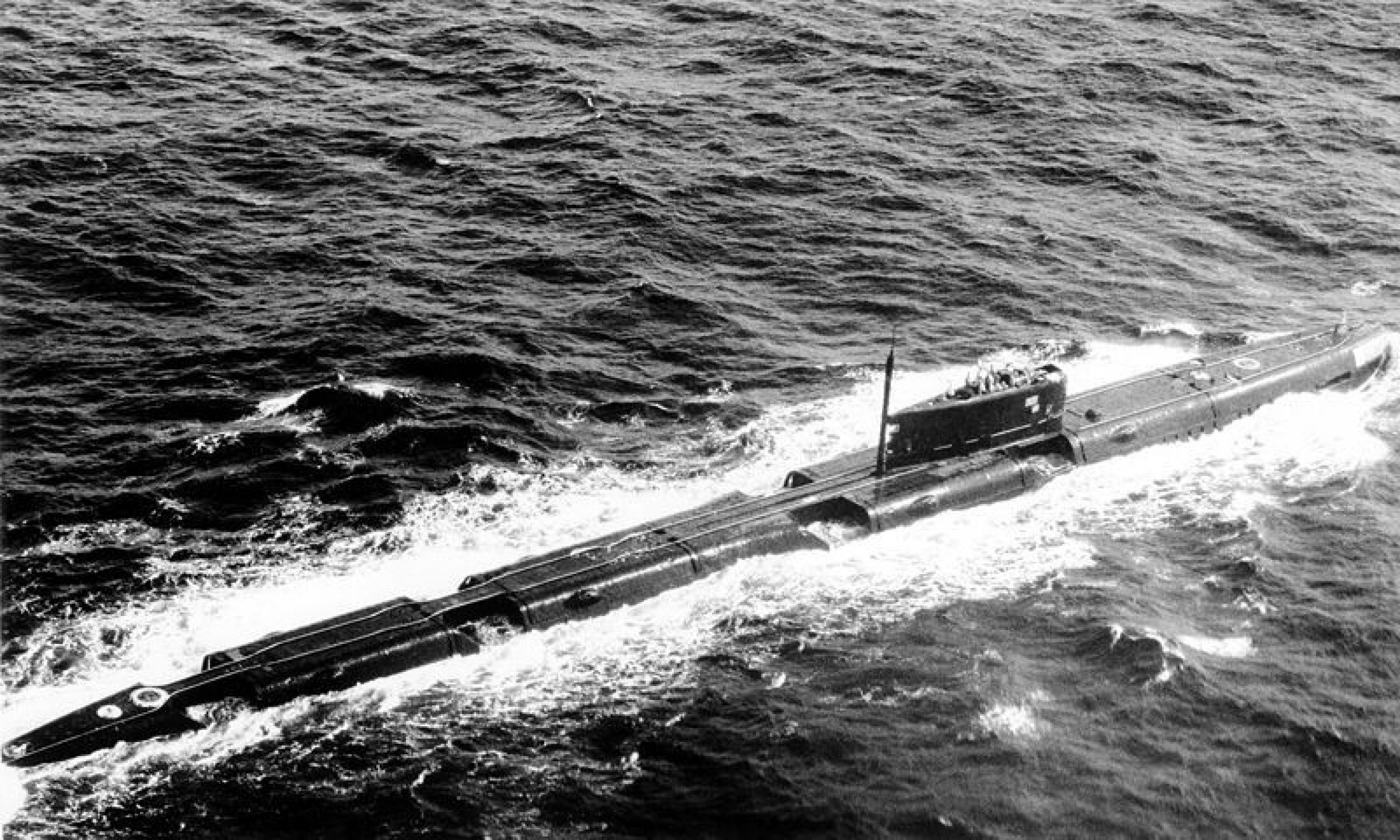
In light of the construction of the Chernobyl shelter, here are the top 10 worst nuclear disasters
© Copyright IBTimes 2024. All rights reserved.
-

Australia's Great Barrier Reef Struggles To Survive
-

Alexandre De Moraes: Brazil Judge In Feud With Elon Musk
-

Paris 2024 Games Flame To Be Lit In Ancient Olympia
-

How The US Helped Counter Iran's Attack On Israel
-

How The Premier League Title Race Stands With Six Games To Go
-
In Haiti, Political Parties Lash Out At PM Over Council Limbo
-
Police Probe Killer's Targeting Of Women In Sydney Mall Attack
-
In Tehran, Fears Grow Of Potential Iran-Israel War
-

Stretched Valuations, Interest Rate Expectations, Make Stocks Vulnerable To Sell-offs
-

Funding Shortfall Threatens Internet Access For Millions Of Low-Income Americans


