

TV Adverts with Most Complaints: ASA Celebrate 50th Birthday [SLIDESHOW]
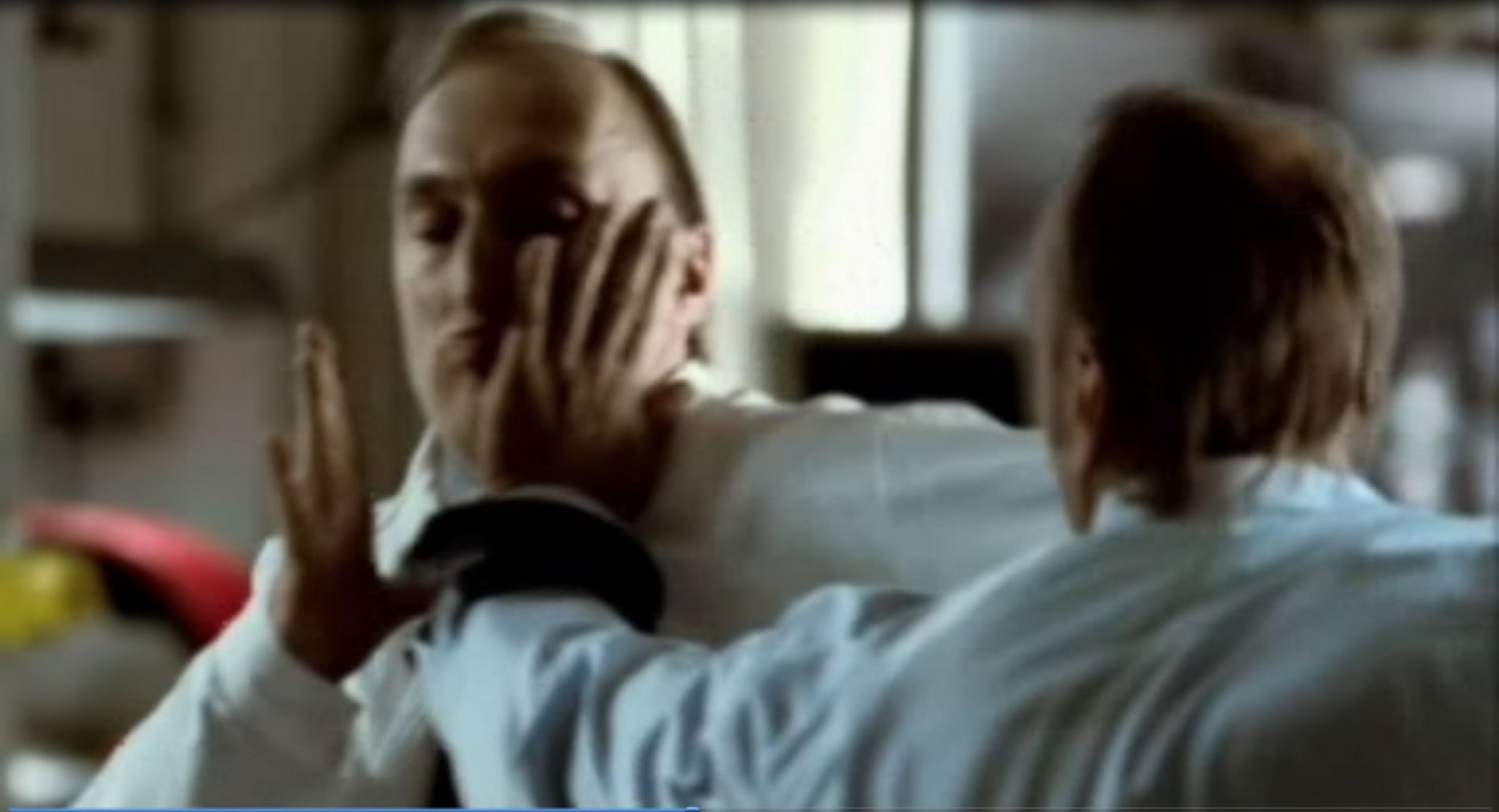
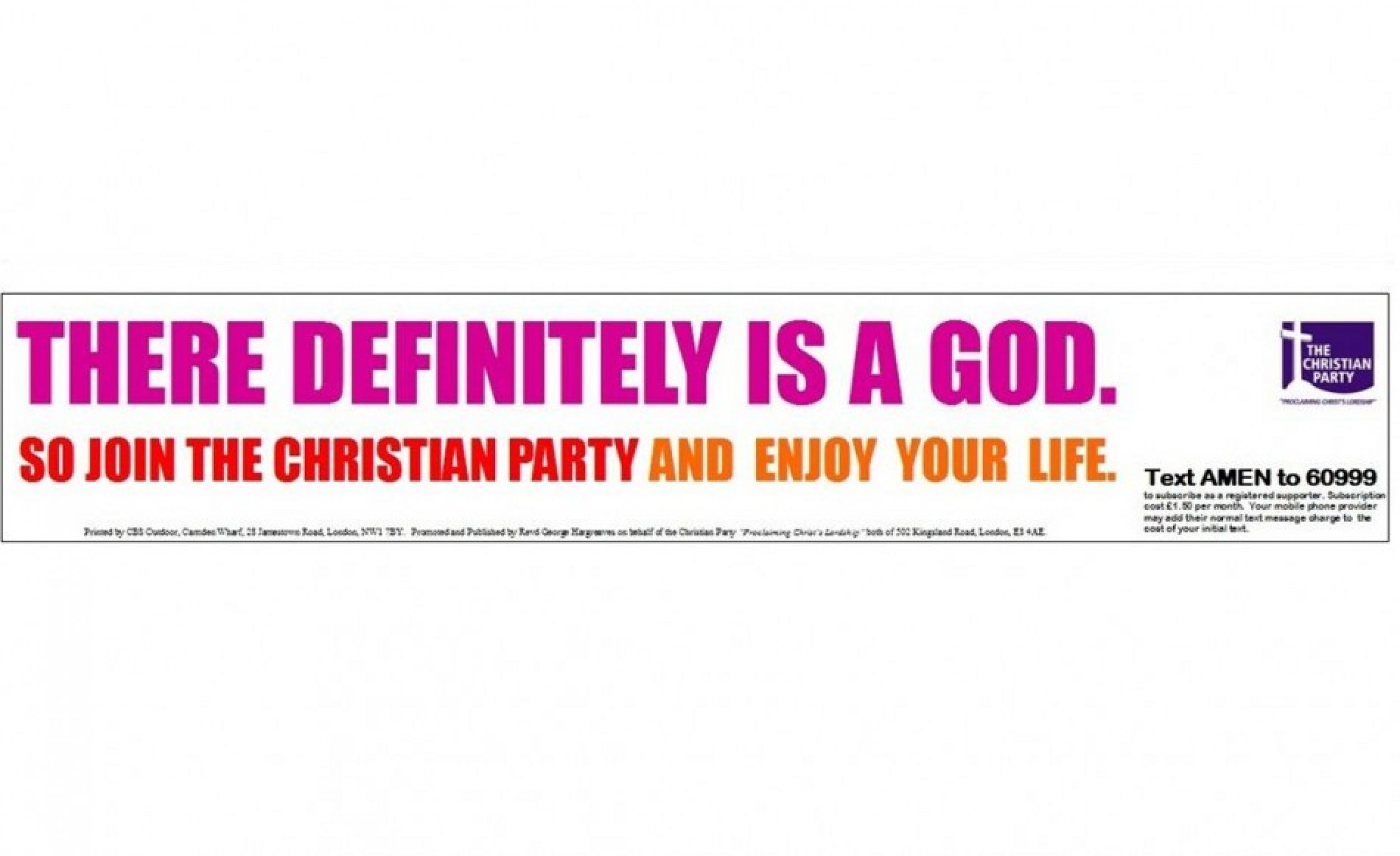
Celebrating its 50-year anniversary, the Advertising Standards Agency [ASA] has dealt with over 431,000 complaints and has highlighted the ones that drew the most complaints from viewers.
But the statutory body, responsible for making sure that adverts fall within decency and honesty guidelines, said that a high number of complaints did not necessarily mean a company or an ad agency had breached guidelines.
The ASA does not play a numbers game when judging whether an ad should be banned, it said.
Just because an ad has received a high number of complaints does not mean that it breaches the rules, but the number of complaints certainly gives us a general sense of public opinion and the kinds of themes and images that might not be to everyone's liking.


© Copyright Thomson Reuters 2024. All rights reserved.
-

Gaza Health System 'Completely Obliterated': UN Expert
-

In Ecuadoran Amazon, Butterflies Provide A Gauge Of Climate Change
-

50 Years On, Vintage Vehicles To Reenact Portugal's Carnation Revolution
-

Conflicts Push Military Spending To 'All-time High': Report
-

'Thank You, America:' Zelensky And Netanyahu Applaud House Passage Of Foreign Aid Package
-

Women Journalists Bear The Brunt Of Cyberbullying
-

US Aid Shows Ukraine Will Not Be 'Second Afghanistan': Zelensky
-

Elon Musk's X Fights Australian Watchdog Over Church Stabbing Posts
-
Ukraine, Israel, TikTok: The Massive Aid Package Before US Congress
-
Eiffel Tower Loses Sparkle For Parisians Ahead Of Olympics


