

Why Apple Cannot Release The iPhone 5 And The iPad Mini On The Same Date
Analysis

For months, we had been hearing rumors and reports that Apple plans to release a new iPhone and a new, smaller iPad model this fall. The exact release date had not yet been predicted until Monday, when iMore's editor-in-chief Rene Ritchie became the first to report on the possible unveiling date for the new iPhone and iPad "Mini."
"iMore has learned that Apple is planning to debut the new iPhone at a special event on Wednesday, September 12, 2012, with the release date to follow 9 days later on Friday, September 21. This information comes from sources who have proven accurate in the past."
After Ritchie's initial report, The Verge, The Loop, Reuters, Bloomberg, the New York Times and CNN all confirmed the date.
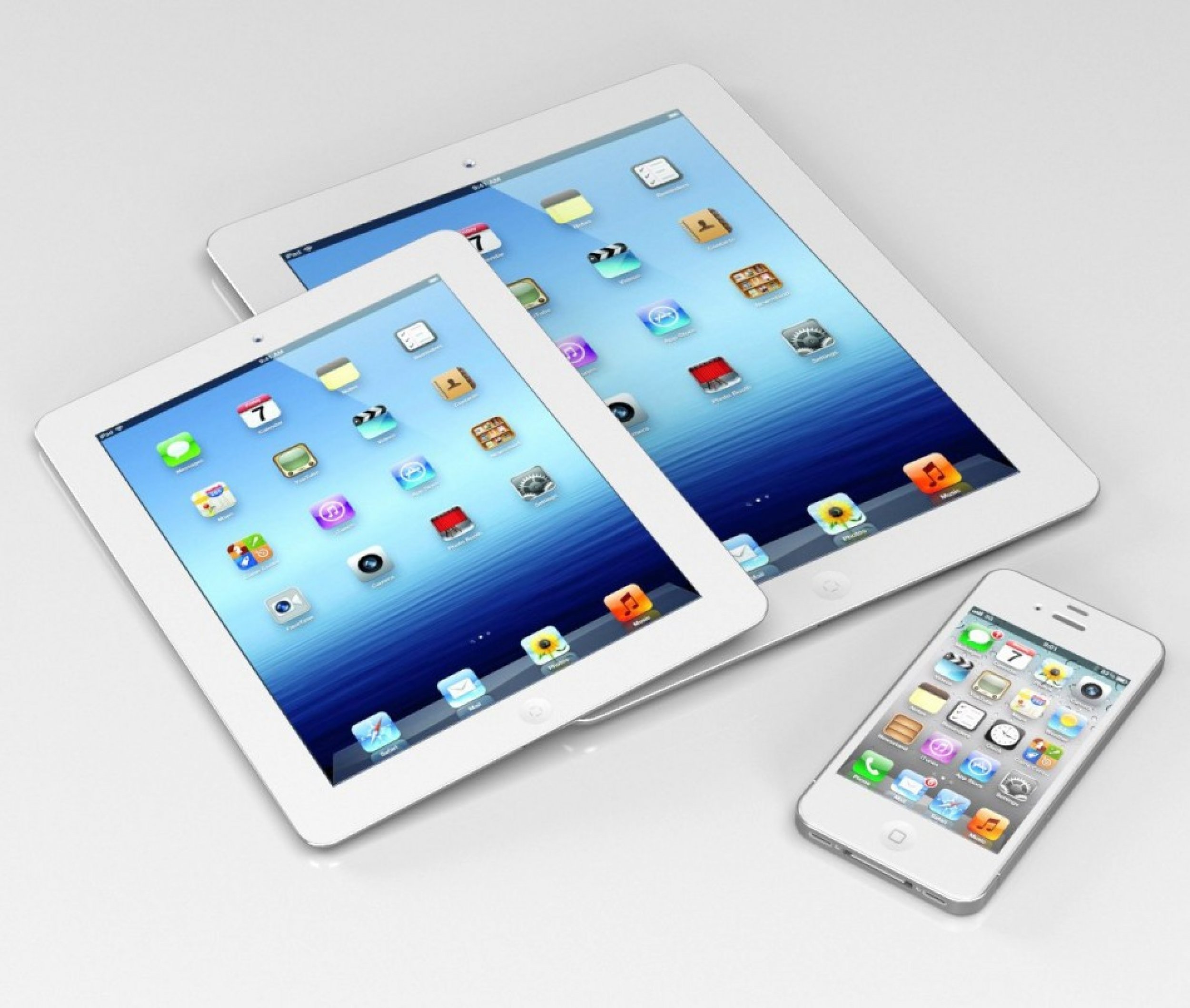
Ritchie also said that Apple would announce the iPad Mini at the same Sept. 12 event, but he said he did not have an exact release date. Ritchie said "it could be the same [date] as the iPhone 5."
It's possible that Apple could release its two heavy-hitting products at the same time, but there are plenty of reasons to believe this dual-release will not happen.
iPhone 5 and iPad Mini: The Perfect Storm
Most smartphone users that plan to switch to Apple typically wait for the next iPhone to be released; since Apple usually releases one iPhone each year, there is a somewhat-predictable nature to the iPhone cycle.
The iPhone 4S, the first iPhone to feature Siri, was a smash hit when it released last October, right before the holiday push. Apple plans to recapture last year's magic by releasing its next iPhone around the same time - either September or October - but all signs say that this year's iPhone will be the biggest change yet since the iPhone 4 in 2010.
Based on Apple statistics, AllThingsD discovered that Apple spent an extra $1.15 billion in the most recent quarter to secure "all the bits and blops that make up its devices," but Gizmodo's Brian Barrett makes a great point: "You don't spend an extra $1.18 billion on a slightly better camera sensor; you drop that kind of change when you're starting from whole cloth."
If Apple plans to release a smaller, cheaper iPad to the masses at the same time as the iPhone 5, Apple could run into the biggest crowds in the history of the company. And that's not necessarily a good thing.
Too Much To Release At Once
On July 24, KGI Securities analyst Ming-Chi Kuo, who correctly predicted Apple would unveil a MacBook Pro with Retina Display at WWDC 2012, suggested that the release dates for the iPhone 5 and the iPad Mini would coincide in September.
"Though shipments of iPad Mini's components will start in August, the new iPad line will end production, ready for transition to a modified New iPad line," Kuo said. "As such, component shipments will drop in August as iPad Mini's components shipments growth will be offset."
Even though the rumors of the iPhone 5 and iPad Mini had both devices arriving at the same time, more recent reports suggest Apple also plans to announce and/or release even more products during that September event.
According to Kuo, Apple plans to follow up its 15-inch Retina MacBook Pro with a smaller, 13-inch MacBook Pro with Retina Display. Neil Hughes of AppleInsider says Kuo expects Apple to ramp up production for this laptop in September, which "would allow the product to hit stores in early October." It may not be difficult to shrink a 15-inch Retina MacBook Pro to 13 inches, but apparently, Kuo said that the 13-inch model was originally delayed due to heating issues.
In addition, Ritchie from iMore says Apple may introduce a new iPod Nano at the September 12 event, which would give Apple users a third device to test out iOS 6, the new mobile platform for iPhone, iPad and iPod users coming this fall.
So in essence, if all of these rumors prove true, Apple would announce a new iPhone, a new iPad Mini, a new MacBook Pro with Retina Display model, a new iPod or iPod line-up, and an upgraded "new iPad" on the same day. It's most likely that Apple will unveil all of these projects at once - Apple similarly unveiled a whole new line-up of products at WWDC - but will the company launch all of these devices at once?
What Will Be Apple's Release Strategy?
Think of it this way: Apple Stores, both physical and online, shut down every time Apple releases a new product. Could you imagine if Apple tried to organize lines for not just one, but two major product launches happening simultaneously?
Forget the new iPod and new MacBook Pro for a second: If Apple decided to launch the iPhone 5 and the iPad Mini on the same date, it would be an absolute disaster, especially for customers. Lines are already out the door and around the building; if half of those people are there for iPhone and half for iPad Mini, and a handful of people are there to buy both products, there may not be a way to clearly organize the crowds, even if both products are ready to go at the same time.
My guess is, Apple will release the iPhone 5 first to get that giant launch out of the way. Then, maybe a week later, Apple will release the iPad Mini along with all of the other products, including the 13" Retina MacBook Pro and the new iPods.
The reason? More or less, iPhone launches require all hands on deck, as far as Apple staff goes. Apple employees not only need to sell the phones, but they also need to help customers transfer information from their previous phones, register the new ones, and activate them. It's a process that requires several steps, and while Apple's been getting better at it since the first iPhone launch in 2007, the launches continue to get bigger and bigger. Apple won't want to deal with other non-iPhone purchases on the day the iPhone 5 releases.
That being said, an iPad Mini requires virtually no setup except for those customers who want an iPad that connects to a cellular network, possibly for LTE. The other products Apple (likely) plans to sell, the new Retina MacBook Pro and the new iPods, require no setup at all, just some explanation. It would be much easier to handle an iPad Mini launch without needing to worry about the rush of activating phones.
In all likelihood, Apple will release the new iPhone 5 on Sept. 21, just 9 days after the Sept. 12 announcement, and the company will release the iPad Mini, the 13" Retina MacBook Pro and the new iPods a week after that, on Sept. 28. For all of these products to be able to run on Apple's newest operating system, the company will likely release iOS 6 at the same time as the iPhone 5, on Sept. 21.
iPhone 5, iPad Mini: Getting To Know The Future Of iOS
Before you get hyped up for buying a new iPhone or a new mini iPad, it's important to know more about the devices themselves and their possible features. First, let's discuss the iPhone 5, which we know much more about, and then we'll detail what we know about the iPad Mini.
iPhone 5: What We Know
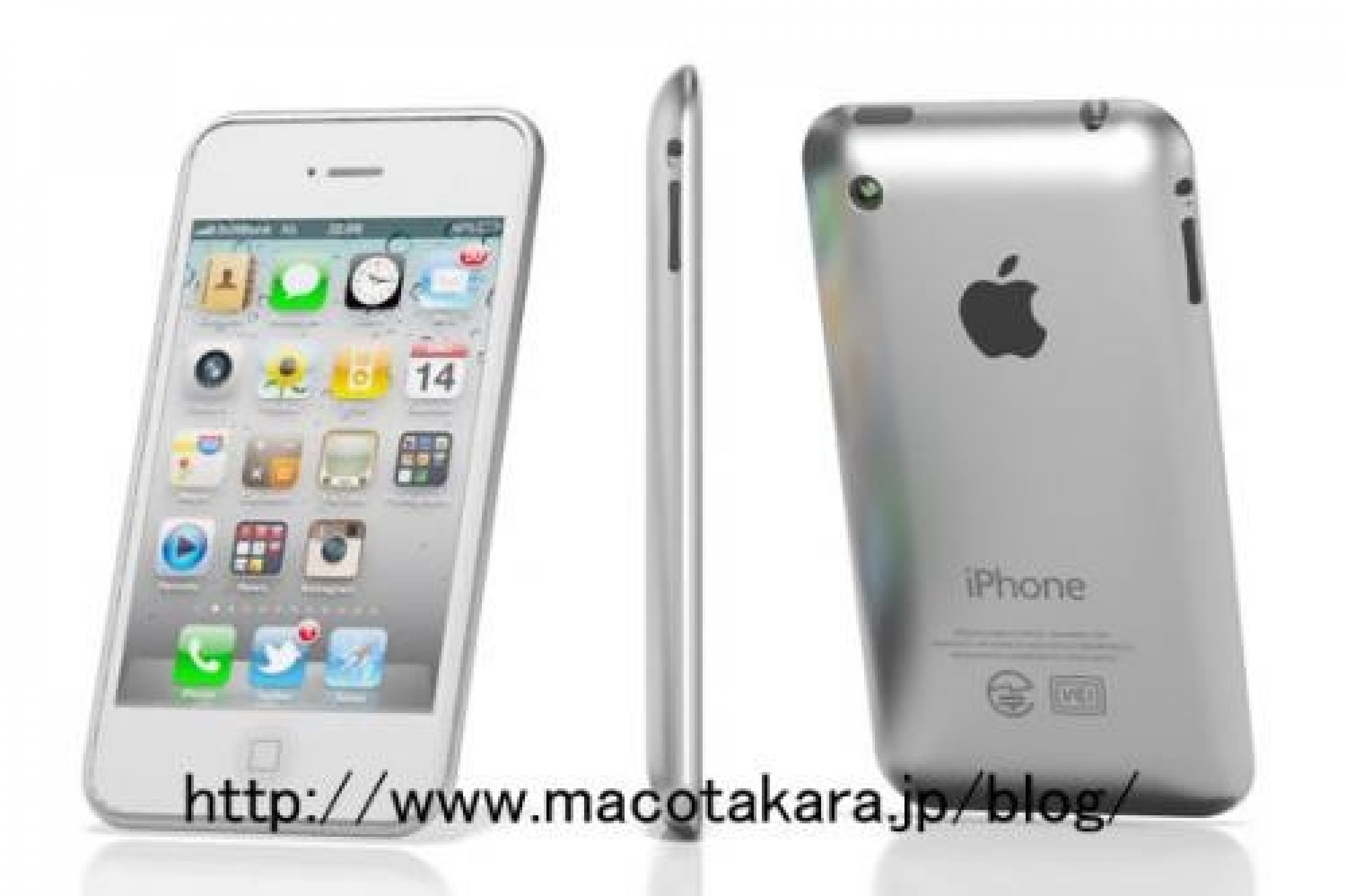
Gotta Be Mobile was on a roll in July, being the "exclusive" photo source of prototypes for the iPad Mini and next iPhone. The photos allegedly came from the same "trusted source inside the Apply supply chain" in Asia, and it showed metal engineering samples of the iPhone 5 design, which only helped to validate earlier rumors and reports.
The alleged iPhone 5 mockup measured just over 120 mm tall, 58.6 mm wide, and a depth "slightly thinner" than the iPhone 4S, presumably about 8 mm. In contrast, the iPhone 4S measures 115.2 mm tall, 58.6 mm, and 9.3 mm. In other words, this alleged iPhone would be taller than previous models to accommodate a bigger screen, and while it would also be slightly thinner, the width of the phone would not change.
We don't know if this is the final design we see when the iPhone 5 is released, likely later this year between September or October, but it definitely matches up well to previous rumors, reports, photos and even schematics.
Back in May, unofficial Apple website 9 to 5 Mac posted a series of photos showing new parts and components for a sixth-generation iPhone, which were sent from the repair experts at iFixyouri. The photos showed the faceplates and backplates for a new black and white iPhone, but the designs had lined up with previous reports of the phone, which predicted a smaller dock connector, several migrated components, and a two-toned back with a metal plate.
Following the release of the alleged iPhone parts, the Cydia Blog released what it said is a complete schematic of the new iPhone model, which matched perfectly with the front and rear plates acquired by 9 to 5 Mac. The schematics, which may or not be legitimate, showed the same migrated camera and earphone jack from the photos, and they also describe a bigger display.
The schematic said the new iPhone's display would measure about 121 mm (4.8 inches) tall and 58.6 mm (2.3 inches) wide, which aligns well with 9 to 5 Mac's earlier report of an iPhone 5 prototype, which was said to have a new screen that measured 3.45 inches tall and 1.94 inches wide to create a 16:9 aspect ratio, which is perfect for playing videos at their native resolutions.
The metal mockup released earlier this month matches the components, photos, and the schematic leaked in May. Here are all of the features identified across all of the alleged prototypes:
Smaller Dock Connector: As predicted earlier by 9 to 5 Mac, Apple wants smaller dock connectors for its iPhones, and the newly released iPhone 5 models only confirm this. In addition, after TechCrunch "independently verified" that the next iPhone will kick the standard 30-pin dock connector (a tradition since the third-generation iPod) for a newly designed 19-pin "mini" dock connector, Gotta Be Mobile released photos of the alleged "iPad Mini," which featured a similar 19-pin dock connector. Several other news sites, including The New York Times and Reuters, also believe Apple will implement the 19-pin dock into the iPhone 5, likely for the sake of making more space within the phone.
Redesigned Speaker Grills: The speakers on the bottom have been expanded and redesigned in the new iPhone model. Now that the dock connector from the iPhone 4 and 4S has been shrunk down, Apple has more room to create bigger and louder speakers.
Metal Back: The iPhone 4S features a back made of all glass, but the new photos from iFixyouri show black and white iPhones with much of the back encased in metal. It's not clear what function the metal back serves -- if it's simply a style choice, or if it's made out of an extremely-light "liquidmetal" solution -- but all of the photos of the new iPhones included these metal portions. There's a slight chance that the metal back could help improve call reception, given that the metal trim along the sides is molded into the metal backplates, giving it a "unibody" feel.
Migrated FaceTime Camera: To better mirror the faceplate of the iPodTouch, Apple has apparently moved the FaceTime camera from the left of the earpiece to above the earpiece itself. Moving the camera likely frees up more space to include more parts and components like LTE and NFC chips, but it also makes the iPhone more symmetrical and appealing.
Migrated Earphone Jack: Photos of the new iPhone show the earphone jack, which has traditionally been located on the top right corner of the phone, has migrated to the bottom left corner of the device. This design change aligns perfectly with a May 14 report from Hong Kong-based components supplier SW-Box, which claimed to have acquired a new headphone jack, ear speaker, and Wi-Fi cable part for a new iPhone. SW-Box's audio components would fit perfectly within the new design released by iFixyouri and 9 to 5 Mac.
New Camera Opening: Photos of the released iPhone show a subtle but interesting difference to the camera infrastructure: On the rear panels of the black and white iPhone models, there is now a small space between the camera lens and the LED flash. Looking at the inside of that space, there appears to be a tiny object that occupies the opening, which could be a small microphone to help with capture higher-quality audio when recording video.
These are just the outside components, however. Most of what makes the iPhone an incredible device is the software, and at WWDC 2012, Apple announced everything we need to know about iOS 6, the next operating system for the iPhone, iPad and iPod Touch. iOS 6 will launch in the fall, which would make it a perfect time to release two other devices, namely a new iPhone and a new iPad.
Besides all of the wonderful features in iOS 6, what other features can users expect to be showcased in the iPhone 5? Here's a breakdown of rumors, reports and patent filings that suggest a number of killer features and applications may be included in this year's iPhone model:
LTE Connectivity: Despite the significantly higher download and upload speeds of LTE, previous implementations of the high-speed network in smartphones ravaged battery life, which was a major complaint from users. If Apple wanted LTE in the iPhone 4S, it would have been forced to increase the phone's thickness to accommodate a larger circuit board and a bigger battery. As Apple CEO Tim Cook noted in a company earnings conference call in April 2011, "first-generation LTE chipsets force a lot of design compromises."
But now, with new LTE chips from Qualcomm now available, it's a foregone conclusion that Apple will implement radio bands for 4G LTE in the iPhone '5', given that Apple introduced the high-speed network on its new iPad, released March 16. Since LTE in tablets isn't a feature users were breaking down doors for, its implementation was likely done as a "practice run."
NFC: Near-Field Communication is nothing new. In fact, many current smartphones have the chip built-in so owners can use mobile payments solutions like Google Pay. Apple has held off on implementing NFC technology into its iPhone, but a slew of recently granted patents seem to suggest that will change with the sixth-generation model. Two of the major features said to use NFC rather heavily are the iWallet, and iTunes "Gifting."
The iWallet: If you saw Apple announce iOS 6 at WWDC, you may have heard about a new application called Passbook, which is designed to keep all of your gift cards, coupons and tickets all in one place. With a simple flick, users can summon their Starbucks cards, loyalty cards, train tickets, plane tickets and sporting event tickets, too. While Passbook will work on every iOS device, Apple has reportedly been building an expansion of this software specifically for an NFC-capable iPhone.
Apple won a major patent on March 6 for a piece of technology called the "iWallet," which is a digital system that gives users complete control over their subsidiary financial accounts on their iPhones, and also leverages Near-Field Communication technology to complete credit card transactions directly on the phone as well. The iWallet has many different features, including giving users the ability to see their entire credit card profiles, view statements and messages from their banks, and even set parental controls for their children, should they also want to use their iPhones as digital wallets. Outside of the iPhone, users can keep track of their payments and statements within the iTunes billing system, which keeps credit card information and records safe and secure. There's a possibility that iWallet could also work with other Apple utilities, which could allow users to buy things like movie tickets directly within the apps, but only time will tell with that one.
iTunes Gifting: Speaking of NFC... Another Apple patent unveiled in April described a system for standardized buying, sending, and receiving of media files from a media provider (iTunes) between multiple devices (iPhones, iPads, and iPodTouchs). The process was simply called, "Gifting," and it would certainly work with an NFC-capable iPhone.
Downloading and storing digital media with online service providers has become commonplace -- more so than purchasing DVDs and CDs at physical stores - but it's not very easy to transfer digital files from one individual to another, usually because of copyright laws. Apple believes "Gifting" is the solution.
One method for gifting requires the sender to authorize a gift charge to their iTunes account, which is then transmitted from the sender's device to the receiver's device -- via tapping, or as long as they're nearby -- thanks to the NFC chip. If the recipient of the gift isn't nearby -- or you want it to be a surprise -- the gift-giver may submit an official request with iTunes, which then processes the request and charges the initiator's account for the given file. The patent also allows for multiple gifts to be sent in a single transaction, as well as certain customization options for the gifts -- including voice greetings and custom gift images, likely to conceal the gift's identity before the receipient opens it.
Audio Sharing Network: The last few months have seen Apple pay increasing attention to its audio network. It released its Podcast application as a completely separate application, and now, according to a newly-filed patent for the iPhone, Apple plans to make the iPhone into a "conference telephone" designed to cut out the background noise while recording audio, which can then be packaged and distributed. This feature would certainly appeal to students that want to record their lectures, as well as enterprise professionals that want to hold and record teleconferences with multiple individuals and be able to hear everyone clearly.
OLED Display: Apple is reportedly testing the iPhone 5 prototype with an A5X chip, which is the quad-core graphics processor used to power the Retina Display in the new iPad. But why would Apple need such a powerful chip for an iPhone? Given that the A5X chip is a graphics powerhouse, if Apple doesn't drastically change the physical size of the screen to 4.6 inches, it may be changing the display's overall quality.
Apple has plenty of money to afford OLED screens in an iPhone-sized display, and it would make sense for Apple to ask Samsung to help build its iPhone 5 displays. Samsung knows how to build big, beautiful screens for any size device: Just imagine what Samsung could do with Apple's Retina technology implemented into an OLED. Apple would effectively put distance between the iPhone and all other smartphone competitors for another five years, at the very least.
Crack-Proof Glass: Everyone who's ever had a rough Saturday night would certainly love this patent. Granted on Nov. 15, Apple's patent for crack-resistant glass uses the same alumino silicate glass solution used in the iPhone 4 and 4S, but chemically treats it with potassium and sodium ions to achieve greater compression thresholds on the surface and edges of the glass, making it less susceptible to cracks.
Apple also included a handy feature that will appeal to everyone who's ever dropped their iPhone: The patent calls for a shock mount to be placed between the glass and the body of the device, which will instantly inflate if the device senses it's falling. If the iPhone's internal accelerometer senses it's falling, an actuator within the device sucks in the cover glass as it accelerates to the ground, protecting it from damage.
Advanced Haptics: Another recently published Apple patent describes a new haptics feedback system that allows a user to interact with the content on the screen by touching it, which is accomplished with sensors and actuators working simultaneously. The new multi-tiered system is extremely sophisticated: Using several layers of elastic screens stacked on top of each other, Apple's screen can produce 3D buttons or objects to interact with, as well as give texture to images, like topographical maps.
Apple's haptic system can create different types of actions, including vibration, net displacement, bending, deforming, or any combination of those elements. The technology can also work with a secondary display screen or audio system, which would be useful if Apple ever builds its iTV, but the system can also be applied to flexible organic light emitting diode (OLED) screens. This advanced haptics system would also work with almost every portable Apple device, including iPhones, iPod Touch devices, iPads, MacBooks, and even TVs, video projectors and e-Ink displays.
Apple Avatars. If you want to buy movies, apps, or any content through Apple's iTunes Store or App Store, Apple requires you have an Apple ID. Your Apple ID sticks with you in the company's Game Center, which keeps track of a user's achievements across purchased and downloaded games. But if this recently granted patent has any bearing on the immediate future, Apple users may soon get to make customizable Apple Avatars, which users would use to represent themselves within potential online or gaming environments. Apple users could create a 3D model of themselves, customizing features like hair, eyes, nose, and eyebrows, as well as other features and accessories. While avatars seem to be geared towards kids, it would actually help give users a source of identity while making the Apple brand -- and identification procedures -- a little more fun. Don't be surprised if Apple had Pixar's help on this one: Just look at the eyes.
The Photographer's Timer. Traditionally, self-timing cameras are used to take pictures of a big group, or a self-portrait. But in Apple's self-timer, a patent granted March 8, the iDevice's camera can identify the photographer and ask if they want to be in the picture. At that point, the iPhone will simply wait until it detects the photographer's face in the viewfinder before it automatically snaps a photo. If you are the "photographer" who also wants to be in the picture, the iPhone will simply wait until it detects your face to take the picture.
"But what about interruptions? What happens if I get a call after I set the self-timer?" Wonder no more. If you set the timer and then your phone goes off, the timer will still wait until it has detected, recognized and verified that you are the photographer and that you're in place for the photo. Now if only Apple patented a tripod...
3D Photography. While existing 3D cameras and video recorders can gather three-dimensional information from objects, they're generally incapable of getting detailed enough information in relation to the shapes, surfaces and depth of the objects. Apple's solution involves a series of systems, tools and methods to capture a 3D image by using multiple sensors and cameras. One sensor would capture a polarizing image, while two other sensors would capture two different non-polarizing images, and Apple's system would combine the images into a composite.
3D Object Recognition. On May 10, the U.S. Patent and Trademark Office published a series of Apple patents relating to 3D face and object recognition technology. Apple's system involves taking a picture -- either with a front or rear camera -- and the 3D recognition software would distinguish between the two-dimensional projection of the image and the three-dimensional shape of the objects in the image. The process would be fully automatic, which would help for identifying faces in a group of objects, or even identifying objects in X-ray images.
Multi-Player Gaming. The iPhone 5 might also be the first phone to feature a new piece of software for multi-player gaming. On March 15, the U.S. Patent and Trademark Office published a patent application from Apple that describes a system for multi-player gaming, which allows groups of people to play the same game together and even see it from different perspectives according to the devices' physical relation to one another. The system actually mimics that of the "Find My Friends" app, in which a user's device detects other nearby devices that it recognizes as "friends," and invites them all to join a common application. The technology also determines the relative position of those devices, so some games -- like turn-based role-playing games or card games -- can be played in a specific order.
Micro SIM Connector: It's definitely not the sexiest feature, but if Apple decides to include this patented micro SIM connector in the iPhone 5, you won't be unhappy. Apple usually doesn't like people tinkering inside its devices, but the company's micro SIM solution is described as "easily removed and replaced," as well as "resistant to damage by an improper insertion of a SIM card, and may provide reliable mechanical performance."
iPad Mini: What We Know
Since early January, rumors of an "iPad Mini" have been circulating the Web, but few knew anything about the size and specifications of the device, other than the fact that its form factor would be slightly bigger than seven inches.
In July, Gotta Be Mobile posted "exclusive" photos of what it believes to be an engineering sample of the "iPad Mini" design, which reveals many possible features of this tiny tablet. Shawn Ingram of Gotta Be Mobile said the engineering sample photos came from a "trusted source inside the Apple supply chain" in Asia.
According to Gotta Be Mobile, the photos suggest the iPad Mini would be wider and a little taller than the Nexus 7, Google's newly introduced 7-inch tablet, and it would even be slightly thinner than Apple's "new" iPad.
"What we've found, using a pixel count, is that the iPad Mini should be around 213.36mm tall and about 143.67mm wide," Ingram said. "This is approximately two-thirds of the size of the new third-generation iPad. The new iPad is 185.67mm wide, 241.3mm tall, and 9.39mm thick."
The sample model did not signify the actual screen size, but current rumors suggest Apple's iPad Mini display will stretch 7.85 inches. One would assume the iPad Mini would boast a Retina Display -- a high-density screen where the individual pixels cannot be discerned with the naked eye -- but word is the iPad Mini will boast an IGZO display, which stands for indium gallium zinc oxide, from Sharp. Sharp's IZGO displays can be fitted for extremely thin hardware devices and can reportedly handle 330 ppi. They are also said to feature better brightness.
The iPad Mini sample model also featured a smaller dock connector on the bottom, which lines up with the rumors -- almost facts, at this point -- that Apple plans to do away with the traditional 30-pin dock connectors for smaller, thinner, 19-pin dock connectors.
We're not entirely sure why Apple has shifted from the traditional dock connectors to these "mini" ports, but one would presume that Apple would not change a significant feature unless there was a good reason for doing it. A mini dock connector must make the device faster, better, or cheaper. Or all of the above.
A smaller dock connector is definitely "better" -- less dock space means more room for other insanely great features (more on those later) -- but it's probably also cheaper to mass produce, and potentially faster, too. Assuming the iPhone decides to makes the 30-pin port obsolete, it would make sense for Apple to build 19-pin ports for all its devices, including the iPad. It's also been rumored that Apple has built an adapter to connect the old 30-pin ports with the new 19-pin dock connectors.
TechCrunch noted that the size of the 19-pin port is similar to the high-speed Thunderbolt I/O: It's possible that Apple's smaller dock solution creates a similarly speedy connection, which would be a nice bonus for manufacturers and consumers that will have to replace their old accessories. Assume there will be an annoying adjustment period where users forget their old accessories like clock radios and stereo systems don't work with their current devices, but producers and consumers will adapt eventually.
What Do You Think?
Now that you know everything we know about the iPhone 5 and the iPad Mini, what do you think of both iOS devices? Is there one you'd rather buy more than the other one? Do you think it'd be smart if Apple released these devices at different times? Shoot us an email or write us a comment in the section below.



© Copyright IBTimes 2024. All rights reserved.
-

What Will The Fed Do With The Latest Inflation Numbers?
-

US Retail Sales Up More Than Expected In March
-

Australia's Great Barrier Reef Struggles To Survive
-

Alexandre De Moraes: Brazil Judge In Feud With Elon Musk
-

Paris 2024 Games Flame To Be Lit In Ancient Olympia
-

How The US Helped Counter Iran's Attack On Israel
-

How The Premier League Title Race Stands With Six Games To Go
-

In Haiti, Political Parties Lash Out At PM Over Council Limbo
-

Police Probe Killer's Targeting Of Women In Sydney Mall Attack
-

In Tehran, Fears Grow Of Potential Iran-Israel War


