Post-Traumatic Stress Disorder on Soldiers
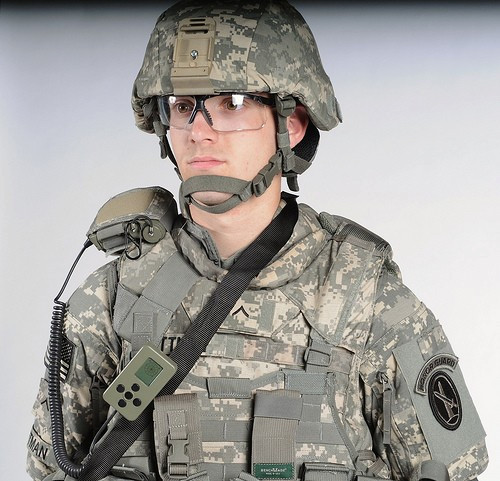
Studies show that one out of eight soldiers who fought in Iraq shows signs and symptoms of post traumatic stress disorder. According to the U.S. Naval Health Research Center, a soldier who has a pre-existing mental disorder has a higher possibility of getting a post-traumatic stress disorder (PTSD) after being sent to a battlefield. Soldiers diagnosed with anxiety disorder, depression, personality disorder or any other psychiatric disease has the potential to develop the PTSD.
So what is a post traumatic stress disorder? It is a kind of anxiety disorder brought about by a traumatic event. The person may have been in a situation that has caused much fear, shock or the feeling of helplessness. True enough, most of us have an abrupt difficulty adjusting in a difficult situation. For some individuals, they have a poor coping mechanism when it comes to traumatic events.
An individual who suffers PTSD has a disrupted life. He will experience some symptoms. Some symptoms would persist and even become worse over time. He would experience nightmares, avoidance of discussing the event, social isolation, becoming emotionally and mentally numbed, experiences a flight/fight syndrome. He will even experience a hard time focusing as well as getting some good sleep. He may potentially harm other individuals brought about by his moodiness, irritability and the outburst of his anger. What's worse is that, he may experience physical symptoms such as stomach problems, chest pain, weak immune system, dizziness, and body pain.
Some may notice that symptoms come and go. There are others that will suffer from it severely and experience it for a long period of time. Noises like glass breaking or similar sounds like that of weapons and artillery may trigger the symptoms to come back and increase its severity.
PTSD can be treated with psychotherapy. Soldiers can undergo a cognitive-behavioral therapy, exposure therapy and Eye Movement Desensitization and Reprocessing therapy. Such treatments could also be co-managed with medical treatment. They may be given medications like benzodiazepines, ecstasy and cortisone.
Due to the rising occurrences of PTSD among soldiers, the US military has begun their work on preventing this disorder to happen to the military population. They start by screening the individuals who are at high risk and getting them conditioned for the battlefield.
© Copyright IBTimes 2026. All rights reserved.
- MOST READ