By | March 12 2012 12:15 PM

1 of 10
#1 Saudi Arabia - Who are the Enemies of the Internet? Reporters Without Borders Names 12 Censorship Ridden Nations
Photo: Reuters

#1 Saudi Arabia - Who are the Enemies of the Internet? Reporters Without Borders Names 12 Censorship Ridden Nations

Saudi Arabia makes the list for ongoing attacks on provincial uprising, according to the report.
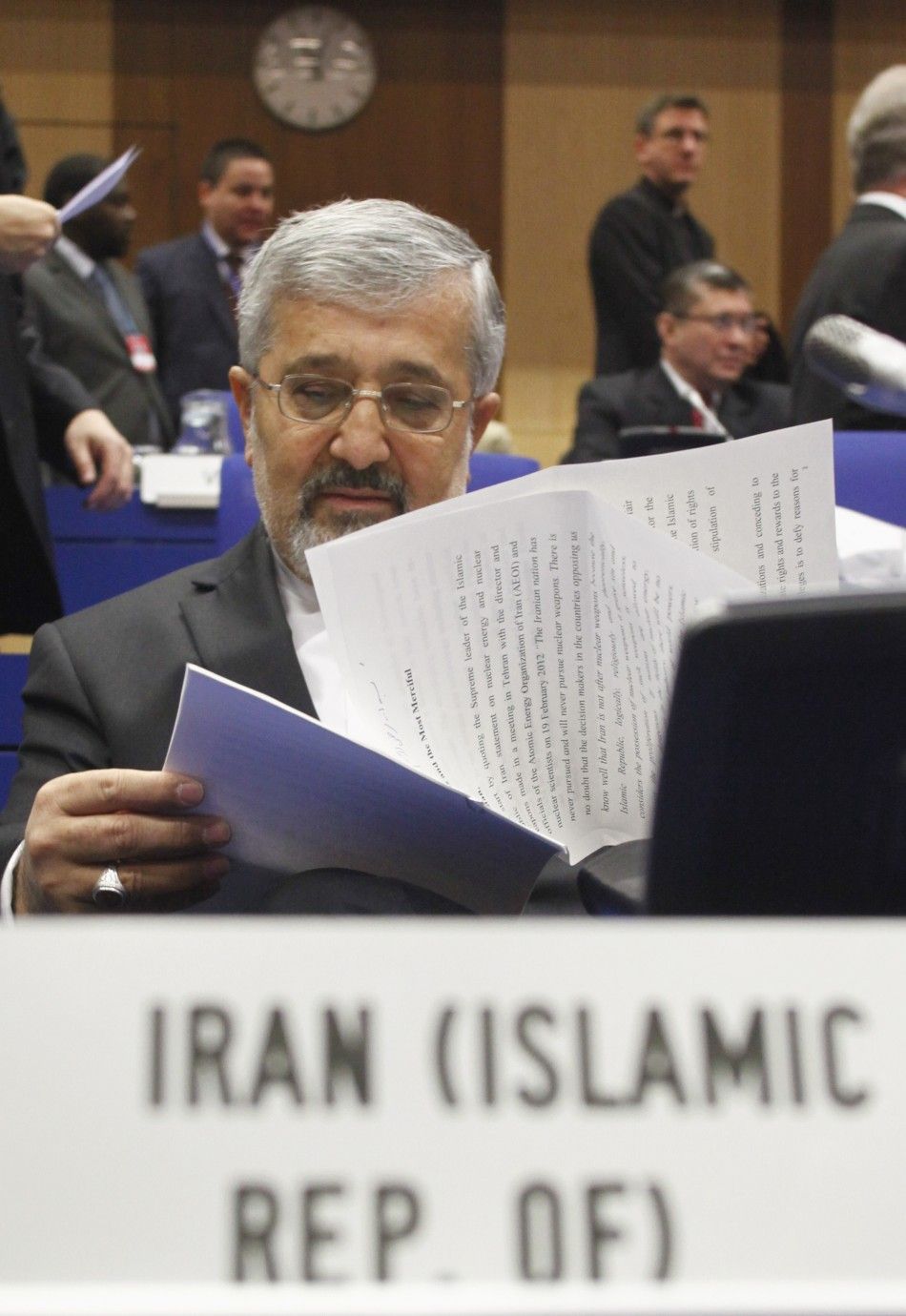
#2 Iran - Who are the Enemies of the Internet? Reporters Without Borders Names 12 Censorship Ridden Nations
Photo: Reuters

#2 Iran - Who are the Enemies of the Internet? Reporters Without Borders Names 12 Censorship Ridden Nations

RWB blames Iran for helping Syria carry out increased online surveillance.
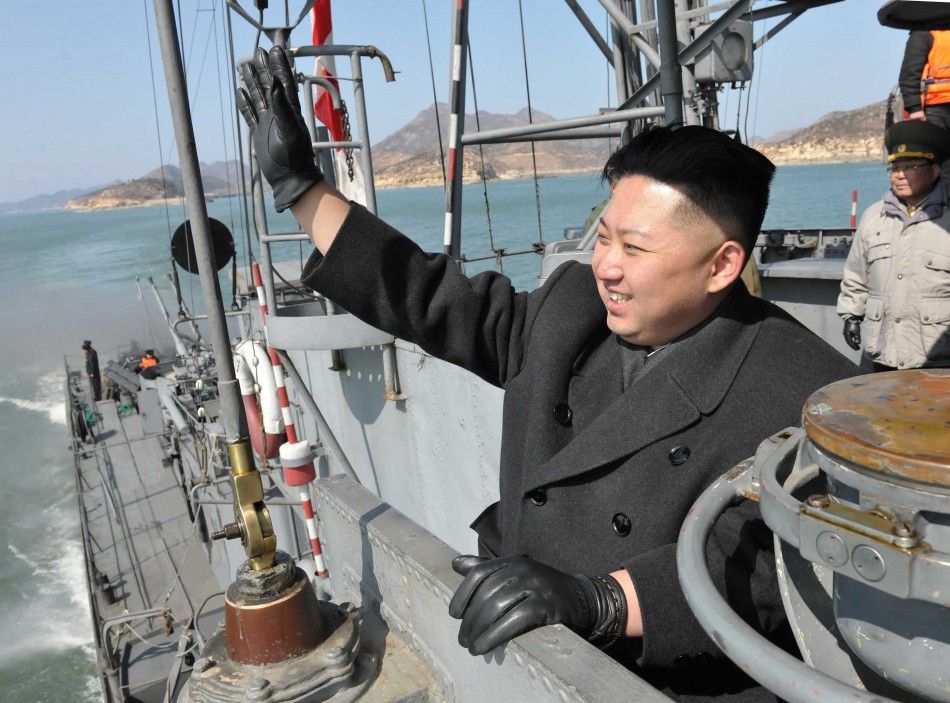
#3 North Korea - Who are the Enemies of the Internet? Reporters Without Borders Names 12 Censorship Ridden Nations
Photo: Reuters

#3 North Korea - Who are the Enemies of the Internet? Reporters Without Borders Names 12 Censorship Ridden Nations

North Korea has been smuggling illegal online communications equipment across the Chinese border, RWB asserts. It then uses this equipment to aid its online propaganda work.
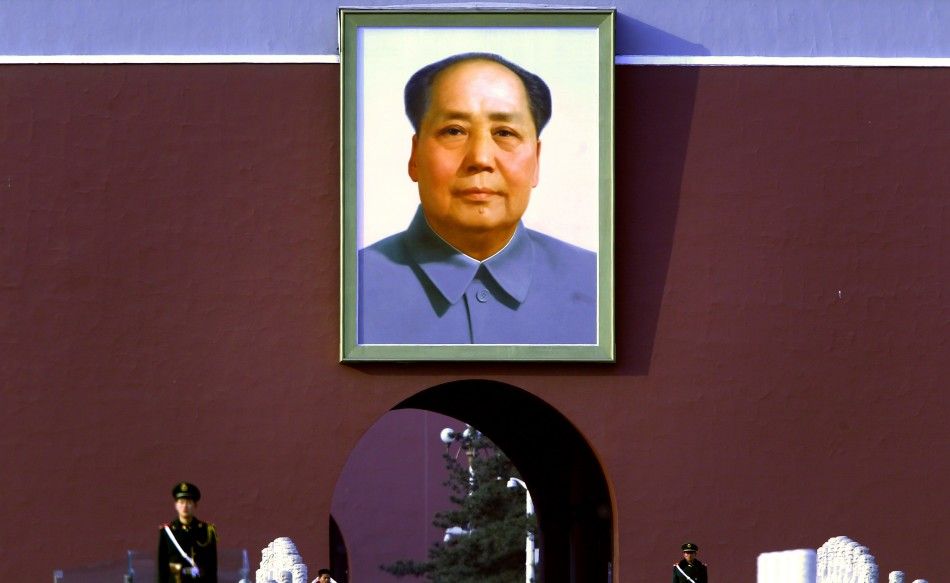
#4 China - Who are the Enemies of the Internet? Reporters Without Borders Names 12 Censorship Ridden Nations
Photo: Reuters

#4 China - Who are the Enemies of the Internet? Reporters Without Borders Names 12 Censorship Ridden Nations

China has been pressuring private Internet companies to help it suppress online dissent.
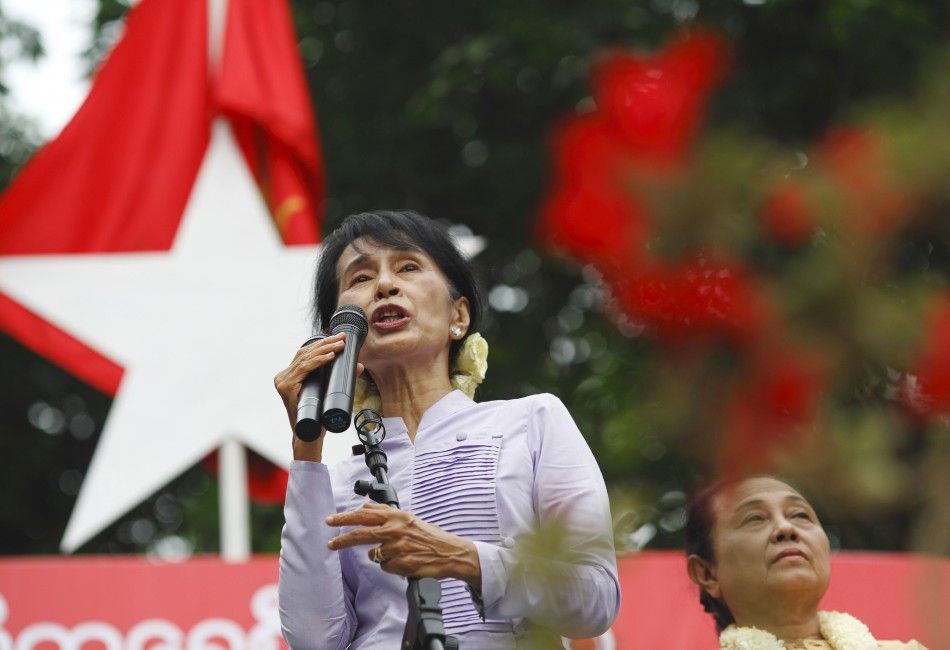
#5 Burma - Who are the Enemies of the Internet? Reporters Without Borders Names 12 Censorship Ridden Nations
Photo: Reuters

#5 Burma - Who are the Enemies of the Internet? Reporters Without Borders Names 12 Censorship Ridden Nations

Some journalists and bloggers have recently been freed in Burma, but the online monitoring and censorship continues, RWB says.
#6  Cuba - Who are the Enemies of the Internet? Reporters Without Borders Names 12 Censorship Ridden Nations
Photo: Reuters

#6 Cuba - Who are the Enemies of the Internet? Reporters Without Borders Names 12 Censorship Ridden Nations

Cuban bloggers argue online with supporters of the governmen, according to RWB.
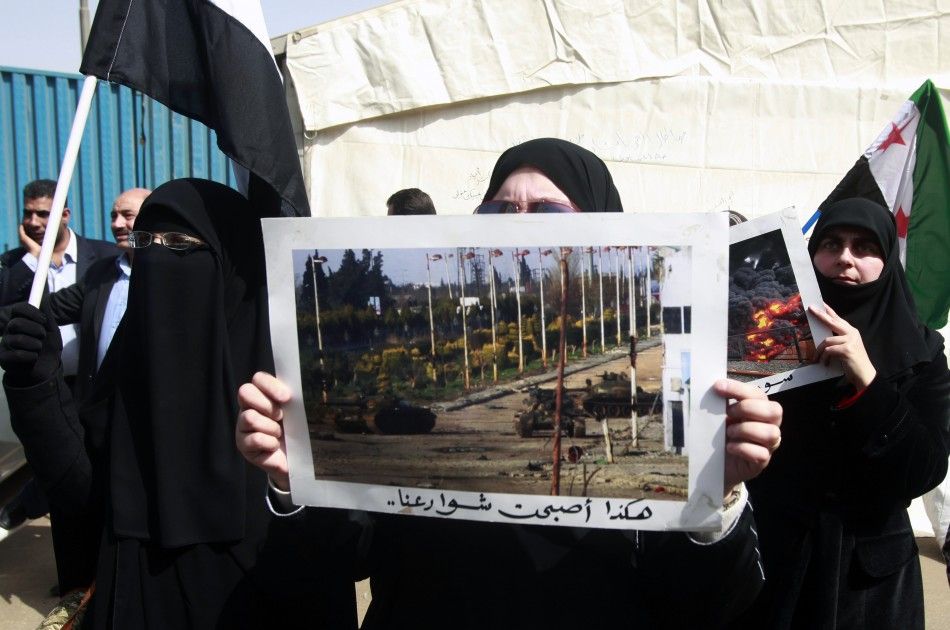
#7  Syria - Who are the Enemies of the Internet? Reporters Without Borders Names 12 Censorship Ridden Nations
Photo: Reuters

#7 Syria - Who are the Enemies of the Internet? Reporters Without Borders Names 12 Censorship Ridden Nations

A bloody crackdown on protests has led to more online attacks in Syria.
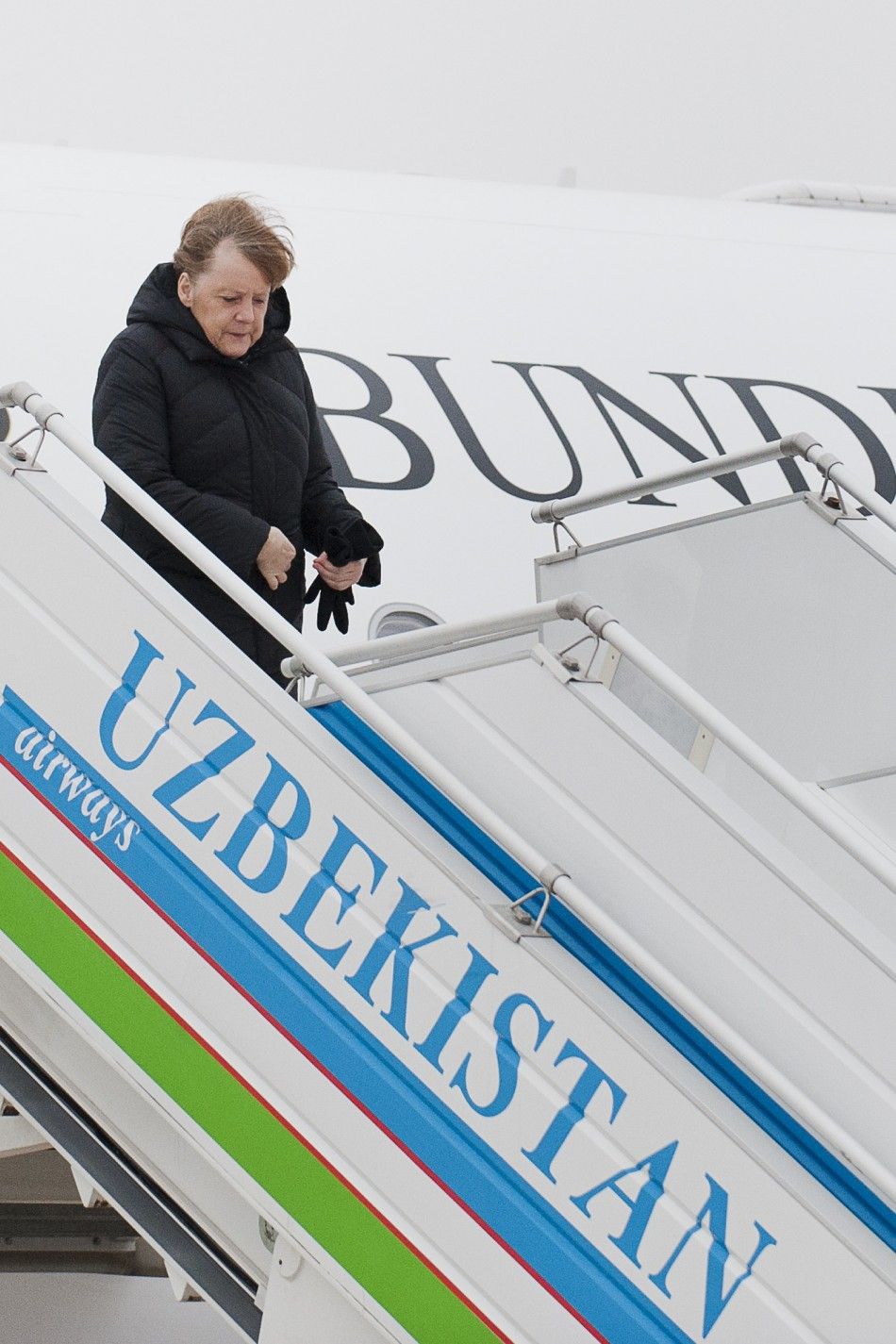
#8  Uzbekistan - Who are the Enemies of the Internet? Reporters Without Borders Names 12 Censorship Ridden Nations
Photo: Reuters

#8 Uzbekistan - Who are the Enemies of the Internet? Reporters Without Borders Names 12 Censorship Ridden Nations

Uzbek authorities squashed online discussion of Arab popular revolts in order to stave off any domestic uprisings.
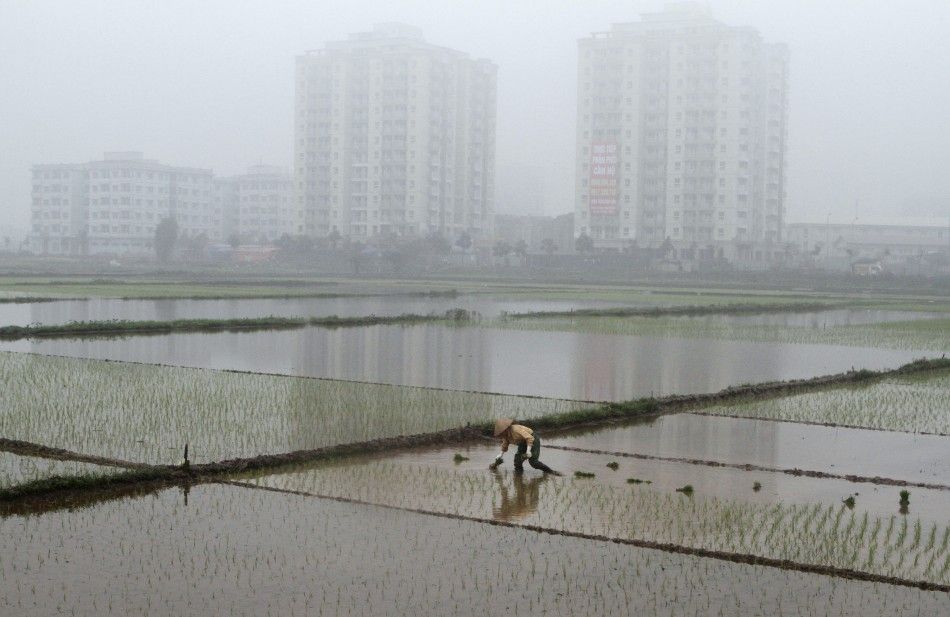
#9  Vietnam - Who are the Enemies of the Internet? Reporters Without Borders Names 12 Censorship Ridden Nations
Photo: Reuters

#9 Vietnam - Who are the Enemies of the Internet? Reporters Without Borders Names 12 Censorship Ridden Nations

Vietnamese officials have recently launched a wave of arrests of online dissenters.
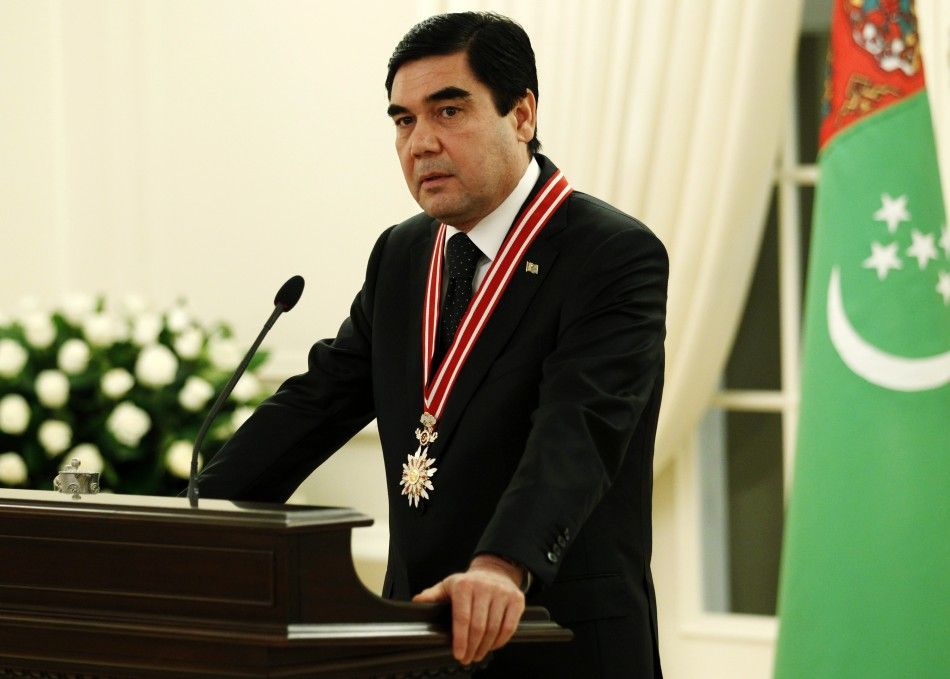
#10  Turkmenistan - Who are the Enemies of the Internet? Reporters Without Borders Names 12 Censorship Ridden Nations
Photo: Reuters

#10 Turkmenistan - Who are the Enemies of the Internet? Reporters Without Borders Names 12 Censorship Ridden Nations

Turkmenistan have just begun their online assault on dissenters, according to RWB. Other nations under surveillance by RWB are Australia, Egypt, Eritrea, France, Malaysia, Russia, South Korea, Sri Lanka, Thailand, Tunisia, Turkey and the United Arab Emirates.

In celebration of World Day Against Cyber Censorship, activist group Reporters Without Borders named its new list of nations who have been deemed enemies of the Internet for their proclivity toward censoring the Web. Whether to quash popular uprisings, or stop online dissent during an election, more and more countries are turning to shutting down mobile phone networks or filtering content, according to the new report.

Reporters Without Borders' report features many reasons why a nation might be on the list. When countries tend toward removing content and pressuring technical service providers, they run the risk of making the list. Other reasons include, threatening net neutrality and online free speech, intrusive surveillance, using propaganda or even committing cyber attacks like DDoSing Web sites. Belarus, once under Soviet Union rule, and Bahrain both made the list after formerly being designated under surveillance by RWB. Venezuela and Libya, conversely, have been dropped from the list completely. The ten other countries to make the list have done so by continuing to restrict access to the Internet, tracking dissidents and pressuring companies to aid and abet government abuse. Start the slideshow to see the entire list.