By | June 12 2012 11:08 AM

1 of 6
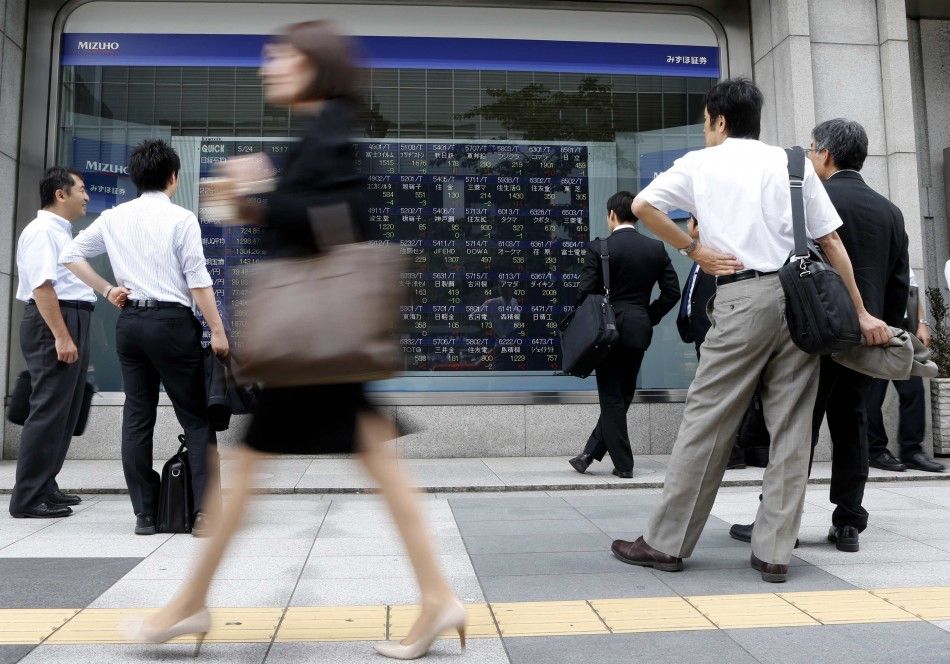
No. 1 Tokyo, Japan
Photo: REUTERS

No. 1 Tokyo, Japan

Last year’s rank: 2
Slovak April HICP Inflation Slows
Photo: REUTERS

Slovak April HICP Inflation Slows

RTTNews - Friday, the Statistical Office of the Slovak Republic announced that the harmonized index of consumer prices or HICP rose 1.4% year-over-year in April, slower than the 1.8% increase in the previous month.

On a monthly basis, the HICP dropped 0.1% in April, after falling 0.3% in March.

For comments and feedback: contact editorial@rttnews.com

130 perbarrel
Photo: REUTERS

130 perbarrel

by Darrell Jobman, Editor-in-Chief, TradingEducation.com, LLC

Daily currency analysis for Wednesday, May 21, 2008 


EUR/US$

The dollar was unable to make any significant headway before the German IFO release on Wednesday and then weakened sharply following the data.

The IFO survey was stronger than expected with an increase to 103.5 in May from 102.4 the previous month and this will reinforce near-term confidence in the German economy. The data will also support the Euro in the short term as it will make it easier for the ECB to maintain a tough policy stance. The comments from IFO President Nerb were still relatively cautious and he stated that the ECB should have scope to lower interest rates later in 2008. These comments should dampen Euro demand to some extent.

The US currency was also undermined by a fresh surge in oil prices during the day with crude pushing to a new record above US$130 per barrel. The correlation between oil prices and the dollar has been a very important factor over the past few weeks and volatility is liable to increase in the short term.

Minutes from the April FOMC meeting confirmed the impression that the Fed will look to keep interest rates steady in the short term and resist further rate cuts. Some members stated that rates would not be cut even if the economy contracted. The dollar will take some comfort from the Fed’s stance, but the impact will be lessened by a further downgrading of 2008 growth forecasts.

The dollar strengthened briefly following the minutes, but then weakened again to lows near 1.58 as equity markets declined and there was a further surge in oil prices. Markets will need to be on high alert for G7 rhetoric on energy prices and the dollar as they will want to avoid further destabilising moves.


Source: VantagePoint Intermarket Analysis Software

Yen

The US currency drifted towards the 103.0 level in early Europe on Wednesday before finding support while the yen was able to resist heavy losses against the Euro.

There were no significant domestic developments with the government leaving its assessment of the economy unchanged.

The dollar was unable to make any significant headway during the day and the US currency re-tested the 103.0 region in New York as Wall Street dipped sharply. The yen will continue to gain some support if there is a sustained decline in equity markets. Overall interest rate spreads have still tended to narrow which will lessen the risk of aggressive Japanese currency buying.

Sterling

Sterling struggled against the dollar for much of Wednesday, although it did push towards 1.97 in New York. The UK currency substantially underperformed the Euro and weakened to lows beyond 0.8030 before a slight corrective recovery.

The Bank of England voted by an 8-1 margin for unchanged interest rates at the May meeting with Blanchflower voting for an immediate cut in rates to 4.75%. The majority of members wanted the bank to concentrate on inflation risks, especially as they were concerned that a cut at the meeting would give a signal that the bank was concentrating on growth considerations at the expense of inflation.

The overall MPC stance will offer some near-term support to the UK currency as it will reinforce yield support. The latest government borrowing data was also better than expected which will offer some near-term relief, but there will still be major fears over the economy as recession fears are liable to increase.

Swiss Franc

The Euro was unable to regain the 1.63 level against the Swiss franc on Wednesday and weakened to lows around 1.62 in US trading. Wall Street dipped sharply during the day which boosted immediate franc demand. The dollar was unable to regain the 1.04 level and weakened to lows around 1.0250

The Swiss currency will gain further near-term support if there is a sustained decline in equity prices as defensive demand for the franc would increase. Franc gains should still be measured unless there is a renewed increase in credit-related fears.


Source: VantagePoint Intermarket Analysis Software

Australian dollar

The Australian dollar has remained firm over the past 24 years with fresh 24-year highs above the 0.96 level against the US dollar. Domestically, there was a recovery in the Westpac consumer confidence index which boosted confidence in the economy and reinforced yield appeal.

Commodity prices have also remained robust over the past 24 hours which will also tend to support the Australian currency, especially after crude oil prices pushed to a new record high. Investor sentiment will also remain positive in the short term, although there will remain a high risk of a sharp correction. General US dollar weakness allowed the Australian dollar to hold above the 0.96 level in New York.


Read Other Recent Articles by Darrell Jobman

Olympics: 2012 turns to private sector for stadium wrap
Photo: REUTERS

Olympics: 2012 turns to private sector for stadium wrap

The search for a private company to provide the fabric wrap to jazz up London's Olympic stadium began on Tuesday after the eye-catching 7 million pound ($11 million) covering was cut after a spending review last year.

The 496 million pound venue was designed with the curtain covering steel girders and grey concrete seating and would have allowed for colorful images and slogans to light up the stadium at night as well as minimizing crosswinds.

But it was dropped last October after the Olympic Delivery Authority (ODA), responsible for building the 2012 venues, were asked to find 20 million pounds of savings as the British government imposed the severest public spending cuts in generations to rein in a record peacetime budget deficit.

The move was criticized in some quarters, including the architect.

Organizers said at the time that its loss would not affect athletes' performance and that the stadium remained impressive, while real possibilities were being explored to find alternative funding.

On Tuesday, it opened an expressions of interest process, with a deadline of February 18.

London's Organizing Committee (LOCOG) said some sort of sponsorship could be available, but the wrap will not display sponsor logos during Games time because International Olympic Committee (IOC) guidelines prevent branding in venues.

We have had significant interest in supplying the stadium wrap' from the private sector, so now is the time to start a formal tender process, LOCOG chief executive Paul Deighton said in a statement.

There are some exciting ideas around, and we are running a process that is fair to those organizations that have expressed an interest.

It is not clear how sponsorship may be shown, and organizers would not place a value on any possible deal. They said they were keeping an open mind on the wrap's future design.

The 80,000-seater showpiece stadium, in Stratford, east London, will be used for the opening and closing ceremonies as well as the track and field events.

About four billion people are expected to tune in worldwide.

LOCOG has already raised 670 million pounds toward their 700 million pound sponsorship target, which will help fund their two billion pounds operational budget for the Games.

The future of the stadium once the Games have finished is still under consideration, with the Olympic Park Legacy Company (OPLC) looking at rival bids from Premier League soccer teams Tottenham Hotspur and West Ham United. A third option is to reduce the stadium to a 25,000-seater athletics stadium.

Arena obesity drug disappoints; shares fall
Photo: REUTERS

Arena obesity drug disappoints; shares fall

NEW YORK - Arena Pharmaceuticals said its experimental obesity drug helped patients shed only about 10 pounds more than those taking placebos, sending its shares down 27 percent.

The company said it aimed to seek U.S. approval this year for Lorcaserin, a new type of obesity drug, based on the long-awaited new data that it said was favorable by a statistically significant margin.

Although the results technically satisfy the FDA requirements for approvability, we consider the weight loss benefits to be underwhelming at best, JPMorgan said in a research note.

The tiny San Diego company said the average patient taking Lorcaserin for a year had lost 8.2 percent of body weight, or 17.9 pounds. That compared with 3.4 percent of body weight, or 7.3 pounds, among patients taking placebos in the first of the company's three planned late-stage studies.

Lorcaserin met all its safety and efficacy goals, with an incidence of serious adverse events similar to placebo, Arena said.

Importantly, the 3,182-patient U.S. study showed no signs that the drug over a two-year treatment period caused heart valve damage, the problem that forced Wyeth (WYE.N) to recall its blockbuster fen-phen diet drugs in 1997. The recall cost Wyeth more than $21 billion in damages and legal expenses and has long cast a shadow over obesity treatments.

Like drugs used in fen-phen, Lorcaserin affects a messenger chemical called serotonin, but is designed to selectively target only one variety of the chemical -- and thereby sidestep heart-related side effects seen with Wyeth's withdrawn pills.

Arena said it expected to have final data from a second Phase III study in hand by September and hoped to ask U.S. regulators to approve Lorcaserin by year-end.

The future of Arena, which lost almost $240 million last year on revenue of less than $10 million, is highly dependent on whether the FDA approves Lorcaserin and whether patients embrace the treatment.

Shares of Arena fell to $3.30 in premarket trade from their closing price of $4.50 on Friday. (Reporting by Ransdell Pierson; Editing by Lisa Von Ahn)

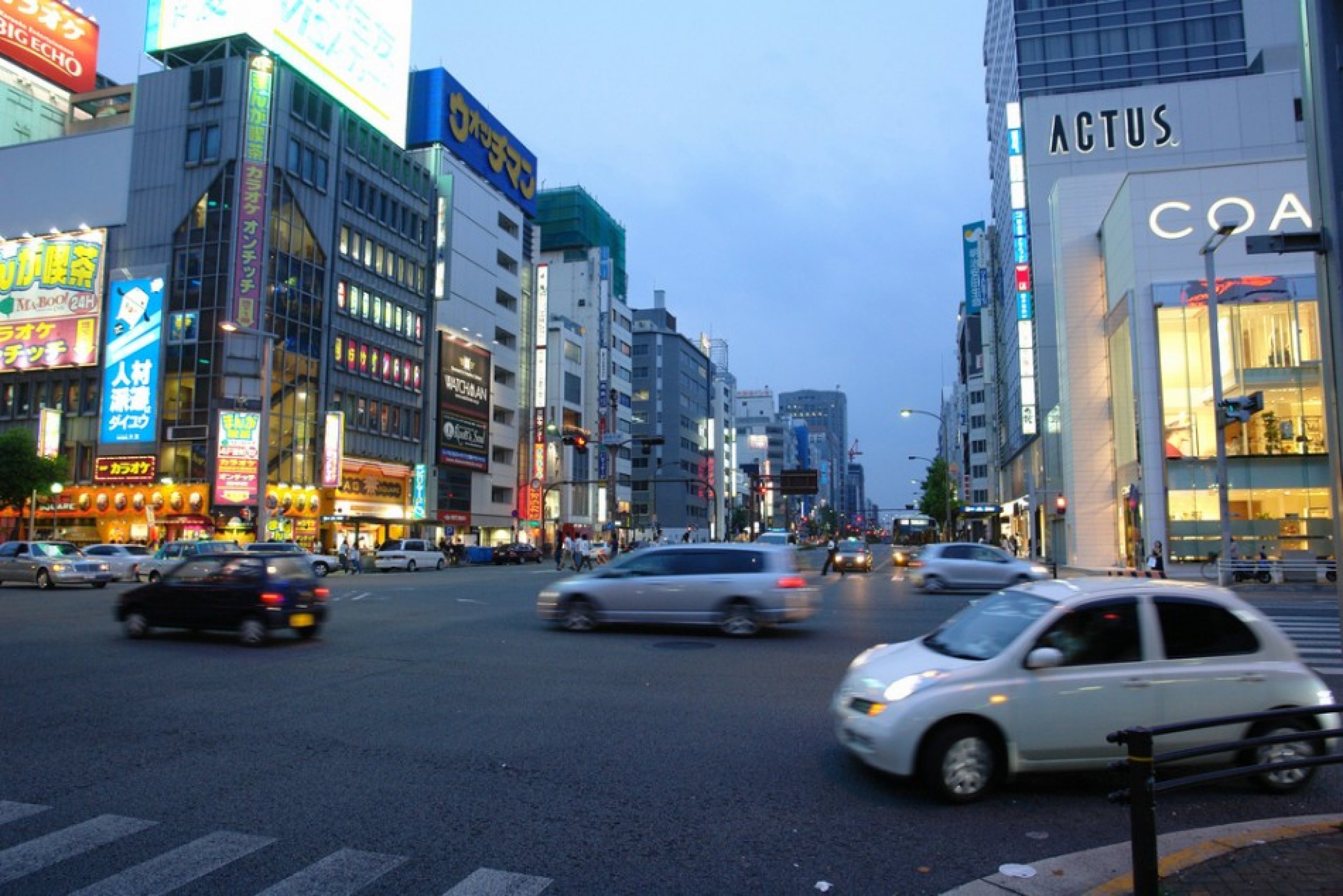
No. 10 Nagoya, Japan
Photo: creative commons

No. 10 Nagoya, Japan

Last year’s rank: 11

Though rents went down, grocery bills shrank and companies trimmed their workforce after the devastating 2011 earthquake and tsunami, Tokyo edged past Angolan capital Luanda to become the world's most expensive city for expatriates in Mercer's 2012 survey.

The annual cost-of-living report, released Tuesday by the U.S. consulting firm, showed that several Japanese cities such as Osaka and Nagoya had moved up in rankings as the yen strengthened against the U.S. dollar.

Researchers assessed 214 cities across five continents, analyzing data from March 2011 to March 2012. Cities were ranked by the price of housing, transport, food, entertainment and clothing and ordered on the joint cost of 200 items compared to the benchmark, New York, which came in at No. 33.

According to Mercer, you can buy two cups of coffee in New York for the price of one in Tokyo -- $8.29. The cost of a film in Tokyo is equally dear at an average of roughly $23 per ticket.

Japan has not been a cheap place to live for a long time, and Tokyo has topped the most expensive city list 12 times since 1994. Even when it hasn't been in the top slot, Tokyo has remained in the top three every year except 2007, when it dropped slightly to fourth.

Second place Luanda, where more than half the population of 5 million lives in poverty, exemplifies the list's focus on the cost of living for expatriates.

Unsurprisingly, several European cities took a dive this year, a result of the ongoing financial crisis. London dropped seven spots to 25, while Paris tumbled 10 spots to 42.

Countries badly hit by the eurozone crisis, including Greece, Italy and Spain, have also experienced drops, Nathalie Constantin-Métral said in the report.

Italian cities like Milan (38) and Rome (42) similarly tumbled down the rankings.

On the flip side, Australian and Asian cities rose as their currencies strengthened. Shanghai, for example, ranked well above London, New York and Paris.

In Asia, more than six in 10 cities moved up in the rankings, including all surveyed cities in Australia, China, Japan and New Zealand, Constantin-Métral said. Cities in Australia and New Zealand witnessed some of the biggest jumps, as their currencies strengthened significantly against the U.S. dollar.

Expatriates in New Zealand experienced a considerable rise in cost of living in the prior 12 months with both Auckland and Wellington jumping over 60 places on the list.

Several U.S. cities moved up in rankings this year too, but many remain surprisingly low: Winston Salem, in North Carolina, had the lowest cost of living of any major urban area in the U.S., according to Mercer. Chicago (110) and Washington, D.C.. (107) were also relative bargains. São Paulo and Rio de Janeiro in Brazil were the highest in the Americas at 12 and 13 on the list.

At the bottom of the list, Karachi was the cheapest place to live at less than a third the cost of Tokyo.

Press Start to take a look at the top 10 most expensive places to live, according to Mercer.