By Michael Billera | February 17 2012 9:39 AM
As widely expected, the Bank of Japan (BoJ) left its leading O/N target rate unchanged at 0.1% in a unanimous decision. In addition, it announced it will start purchasing corporate bonds and extended most of its existing programmes to ease corporate finance conditions and liquidity in financial markets. At the press briefing, Board Governor Shirakawa said that cutting its leading interest rates to zero was not even discussed at this week's meeting, indicating that a cut in the O/N target rate all the way to zero is unlikely.
Details: BoJ's view of the economy was left largely unchanged. It main scenario remains that the economy will continue to deteriorate in the short term and start to recover in late 2009. BoJ expects inflation to temporarily turn negative during the spring, but it still expects it to return into positive territory in 2010. BoJ regards risks to this scenario to be overwhelmingly on the downside on both growth and inflation.
As mentioned above BoJ also announced several new unconventional easing measures and extended most of the existing ones. Most of the existing programmes were originally intended only to provide liquidity through the fiscal year-end (March 31).
Outlook: We are not sure that today's measures from BoJ will make much of a difference for the economy. They are small and cautious steps in the right direction, but should be regarded mostly as damage control unlikely to be a significant boost to domestic demand. Japan's main problem is weaker external demand (not a domestic credit crunch) and the government's inability to respond appropriately fiscally because of the current political stalemate. Thus a recovery in Japan will be dependent on global recovery. Hence, the leading interest rate is likely to remain unchanged at 0.1% until at least H2 10. Without an appropriate fiscal response, there will be increasing pressure on BoJ to accelerate is non-conventional easing measures further.
Impact: Today's measures from BoJ were widely expected and, if anything, some in the market probably expected something more aggressive in light of the recent very bad figures. Hence, the initial market reaction was slightly stronger JPY and slightly higher bond yields. The extension of maturities on the SFSO should help push longer-term interest rates on the money market down.

Danske Bank
http://www.danskebank.com/danskeresearch
Disclaimer
This publication has been prepared by Danske Markets for information purposes only. It is not an offer or solicitation of any offer to purchase or sell any financial instrument. Whilst reasonable care has been taken to ensure that its contents are not untrue or misleading, no representation is made as to its accuracy or completeness and no liability is accepted for any loss arising from reliance on it. Danske Bank, its affiliates or staff, may perform services for, solicit business from, hold long or short positions in, or otherwise be interested in the investments (including derivatives), of any issuer mentioned herein. Danske Markets´ research analysts are not permitted to invest in securities under coverage in their research sector. This publication is not intended for private customers in the UK or any person in the US. Danske Markets is a division of Danske Bank A/S, which is regulated by FSA for the conduct of designated investment business in the UK and is a member of the London Stock Exchange. Copyright (©) Danske Bank A/S. All rights reserved. This publication is protected by copyright and may not be reproduced in whole or in part without permission.
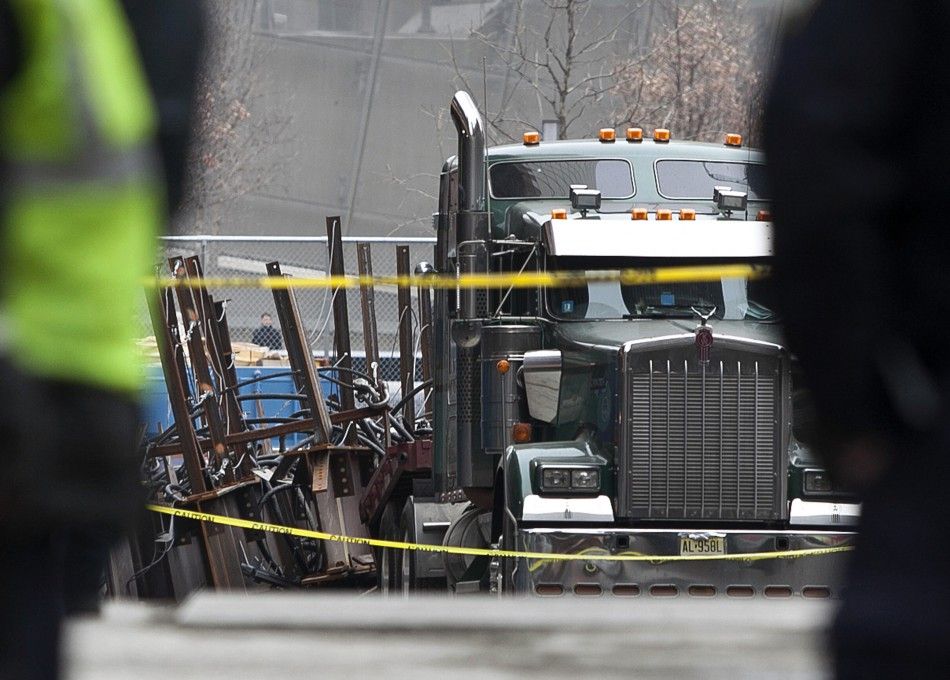
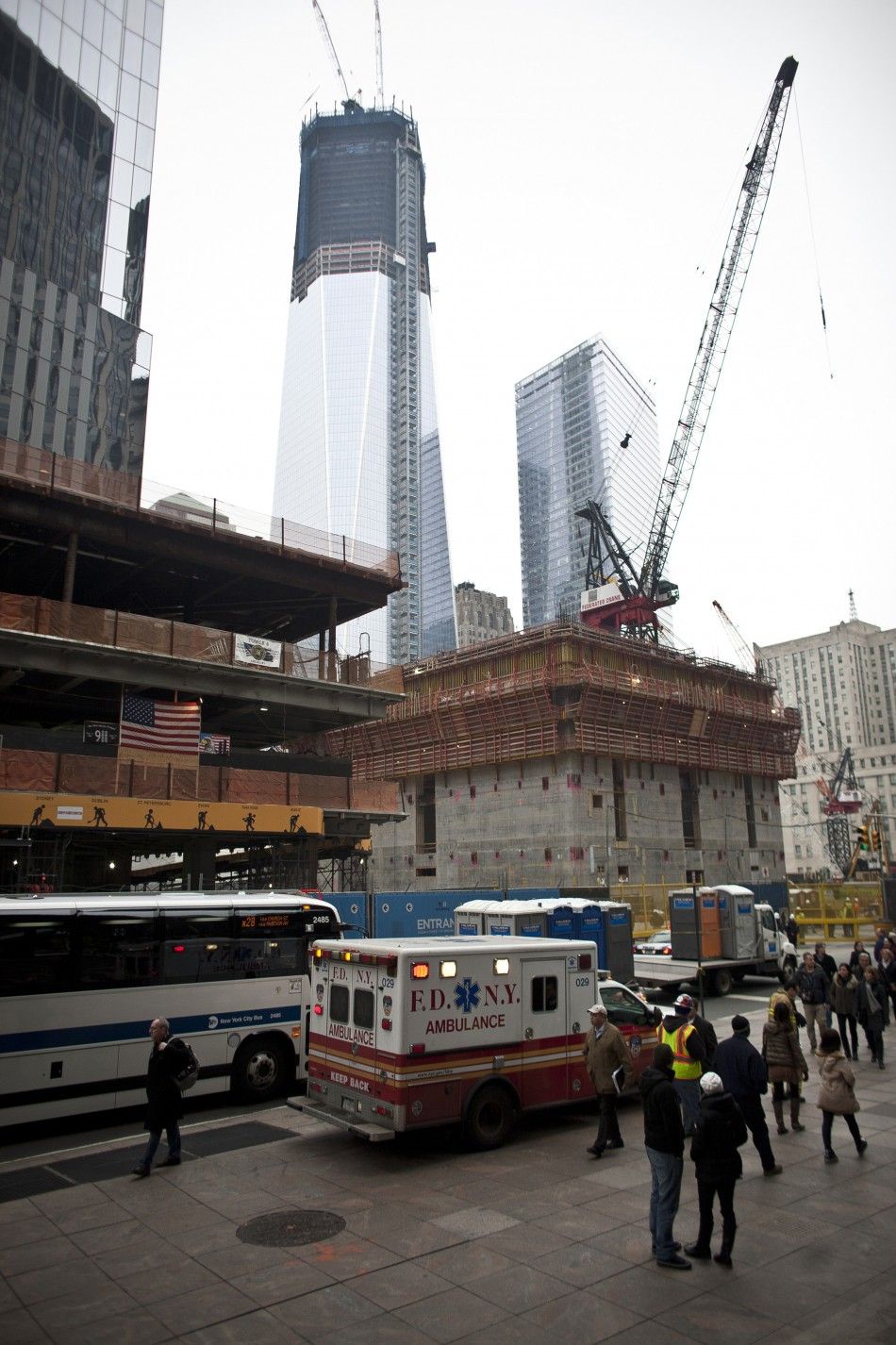
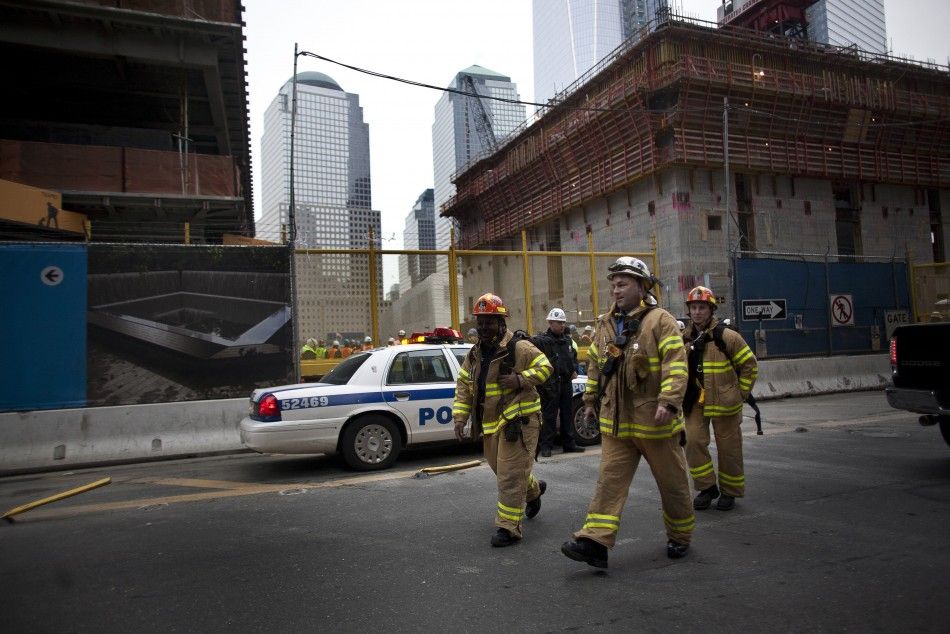
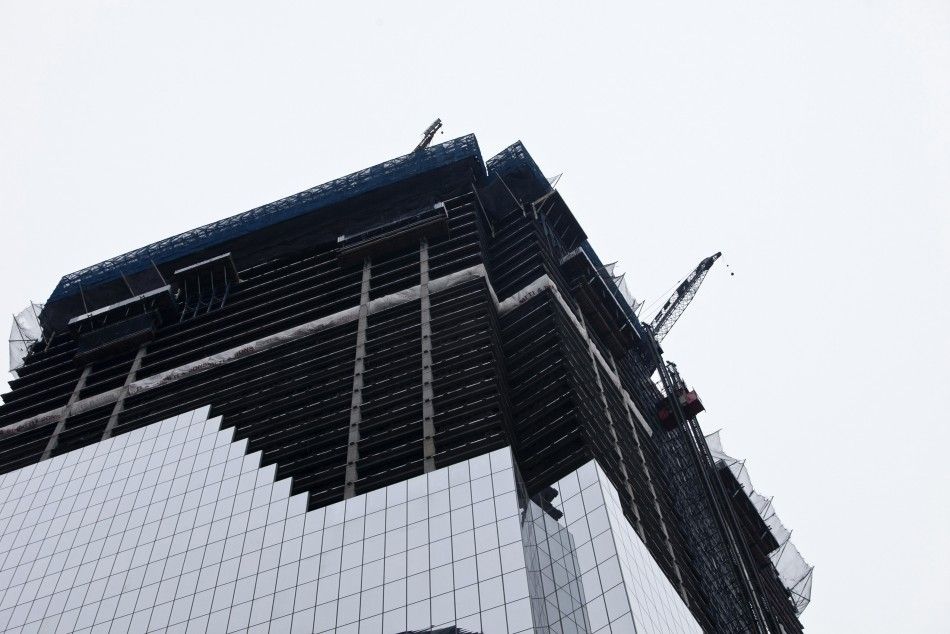
Thursday morning, about 40 tons fell about 40 stories at the World Trade Center, crashing onto a nearby truck.
The fallen beams completely destroyed the vehicle, barely missing the crane operator, reported the Daily News. There were no reported fatalities.
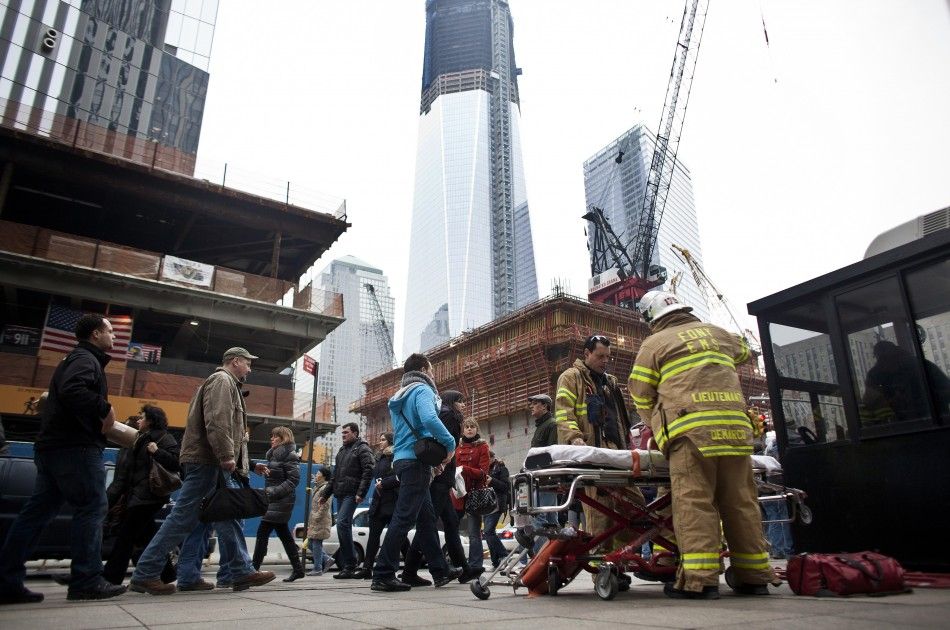
Steal workers said it was a miracle no one was hurt or killed, according to the Daily News. However, the falling beam created a sense of confusion. There was an extremely loud noise and dust flew into the air.
It sounded like a bomb, said Frank Pensabene, 25, an ironworker from Staten Island, reported the New York Post. The workers raced to the scene of the accident to see if there was anything they could do to help.
Everybody was running to see if they could help, said the worker, who declined to give his name to the Daily News. Suddenly there was a lot of noise and everybody ran for cover.
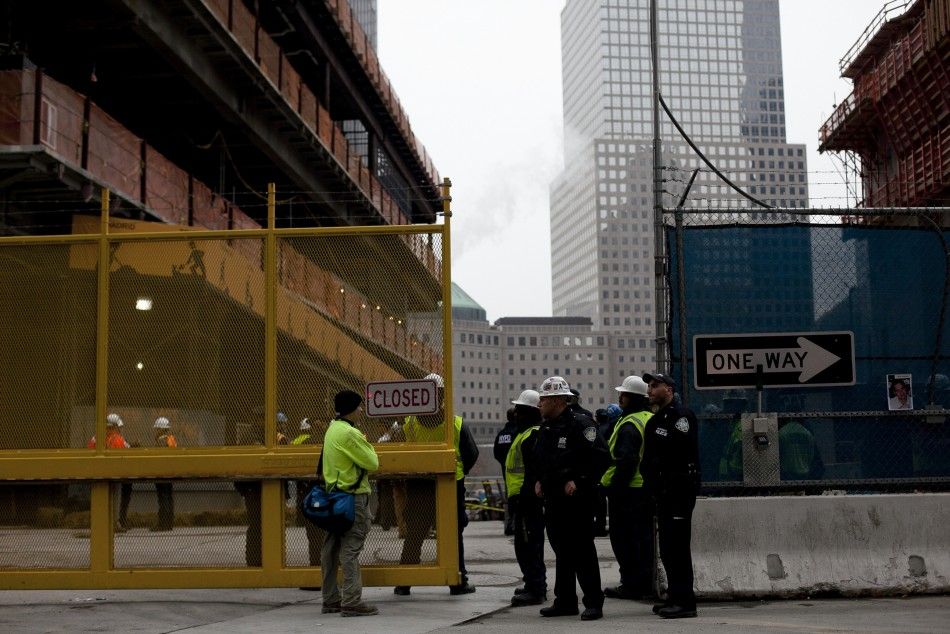
Police and investigators from the Buildings Department are currently investigating the accident, but there are some theories about the accident. Some speculate that there was a failure in the hydraulic system that could have the caused the cable to snap. Another possibility was that an engineer made a miscalculation reported the Post.
Click through the slideshow to see the damage at the World Trade Center.

Like or Follow us for updates on the biggest stories!