

Anti-Japan Protests Gain Steam In China On Remembrance Of Past Japanese Aggression [PHOTOS]
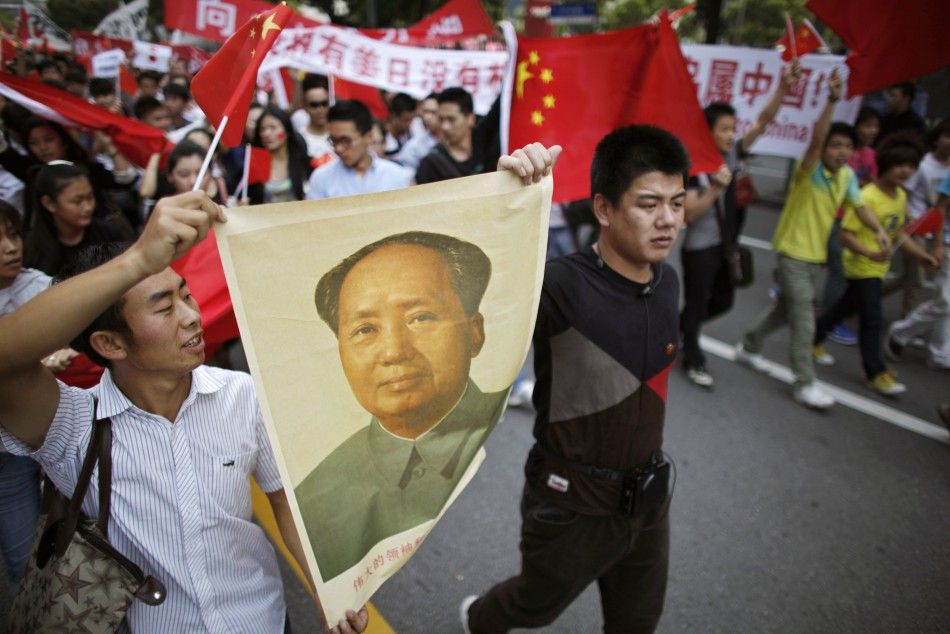
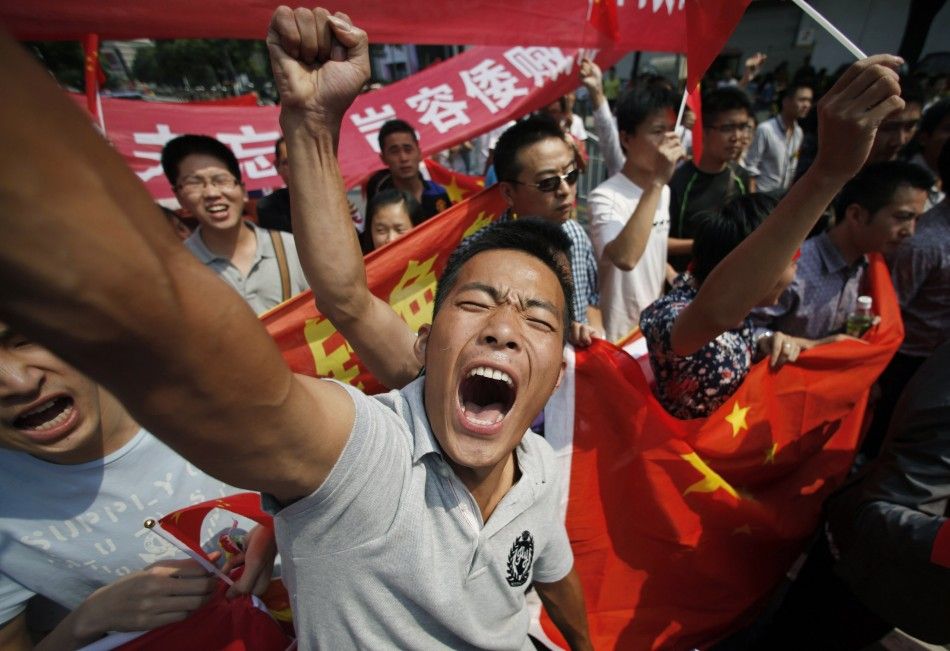
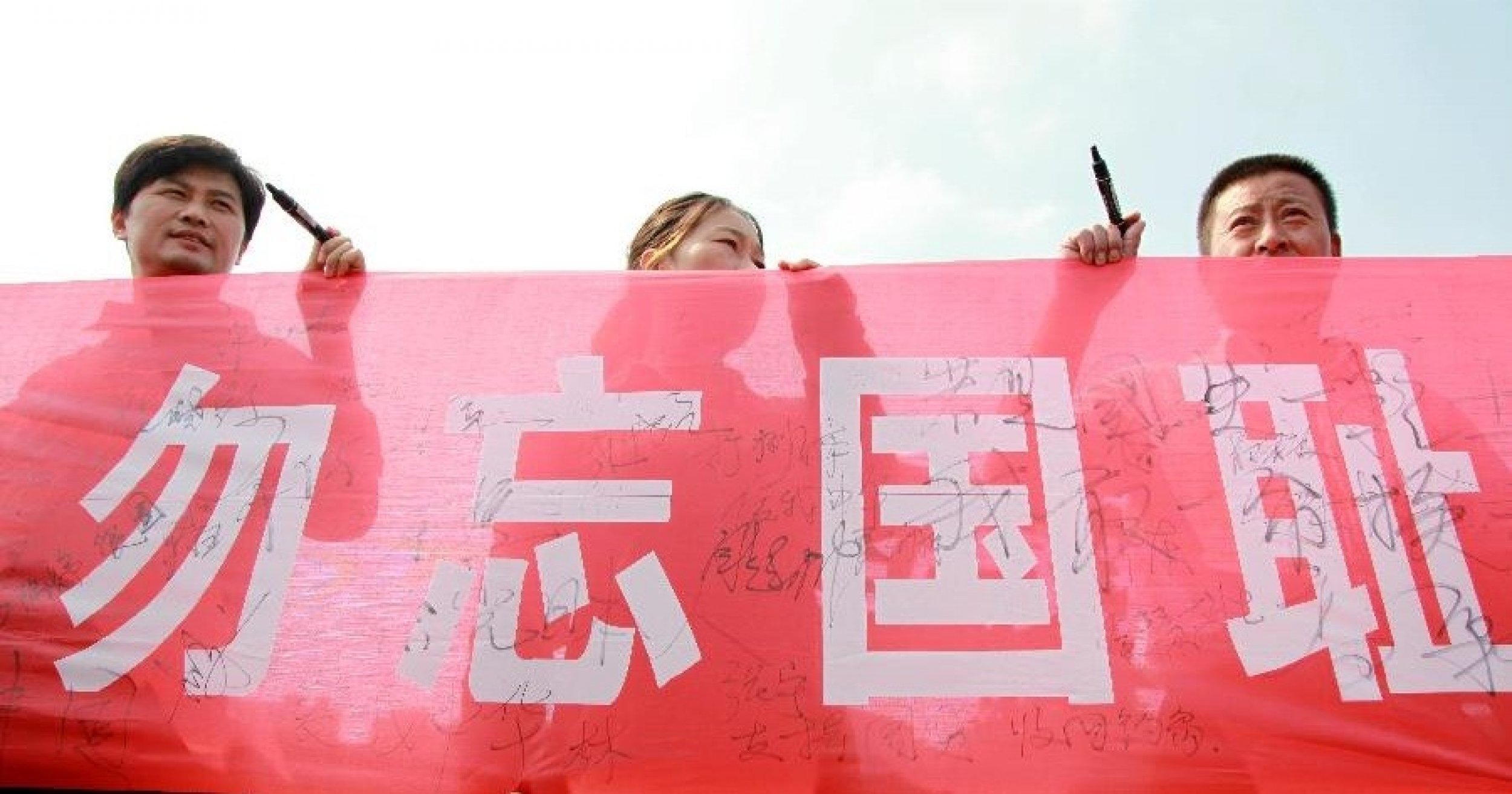
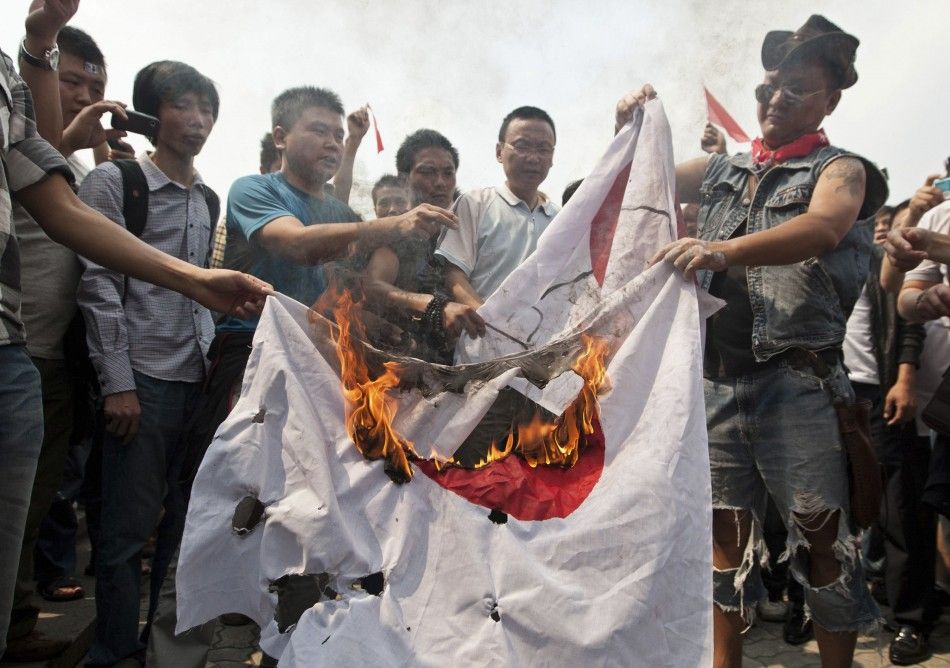
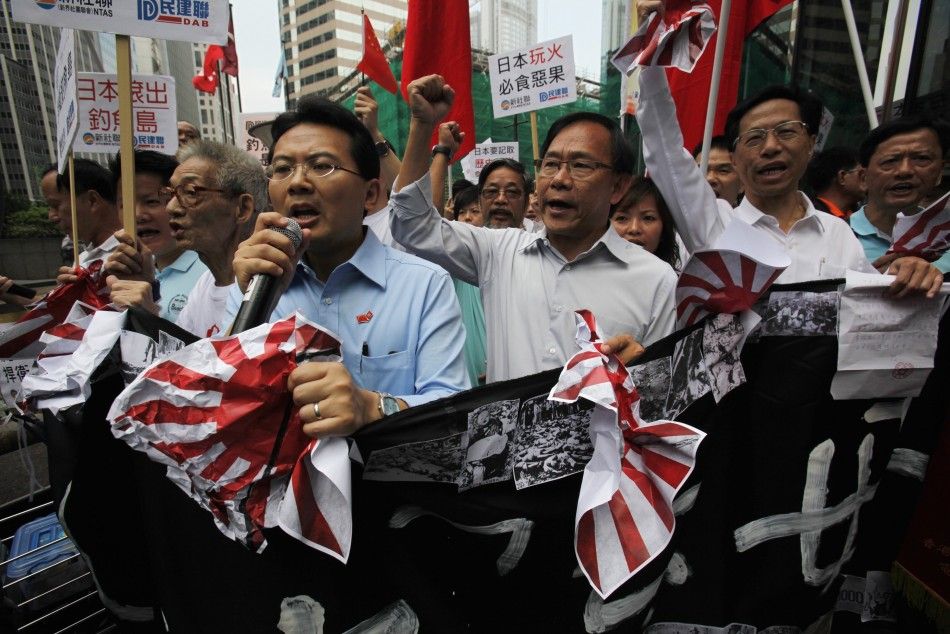
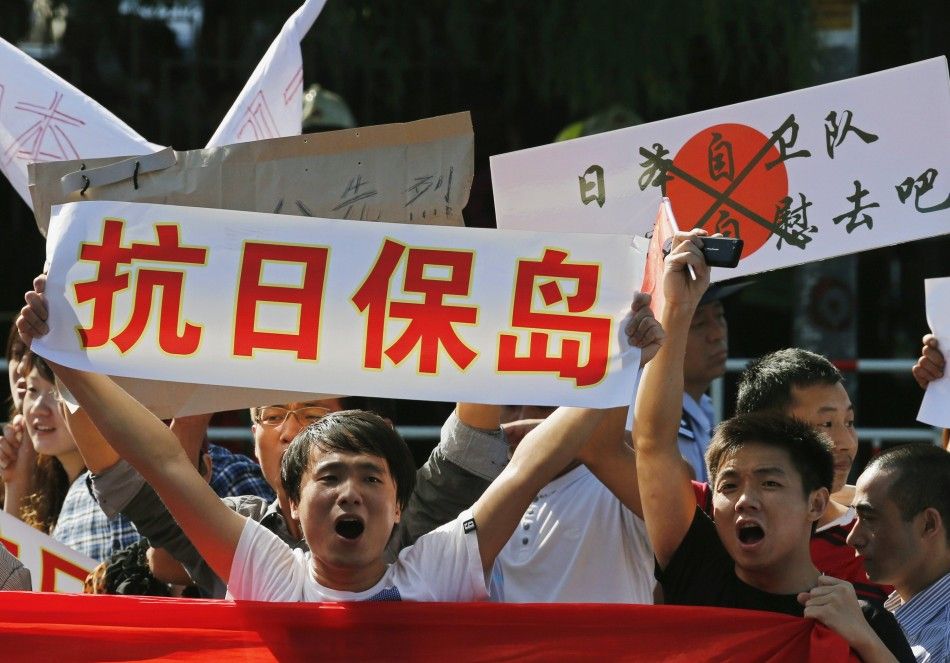
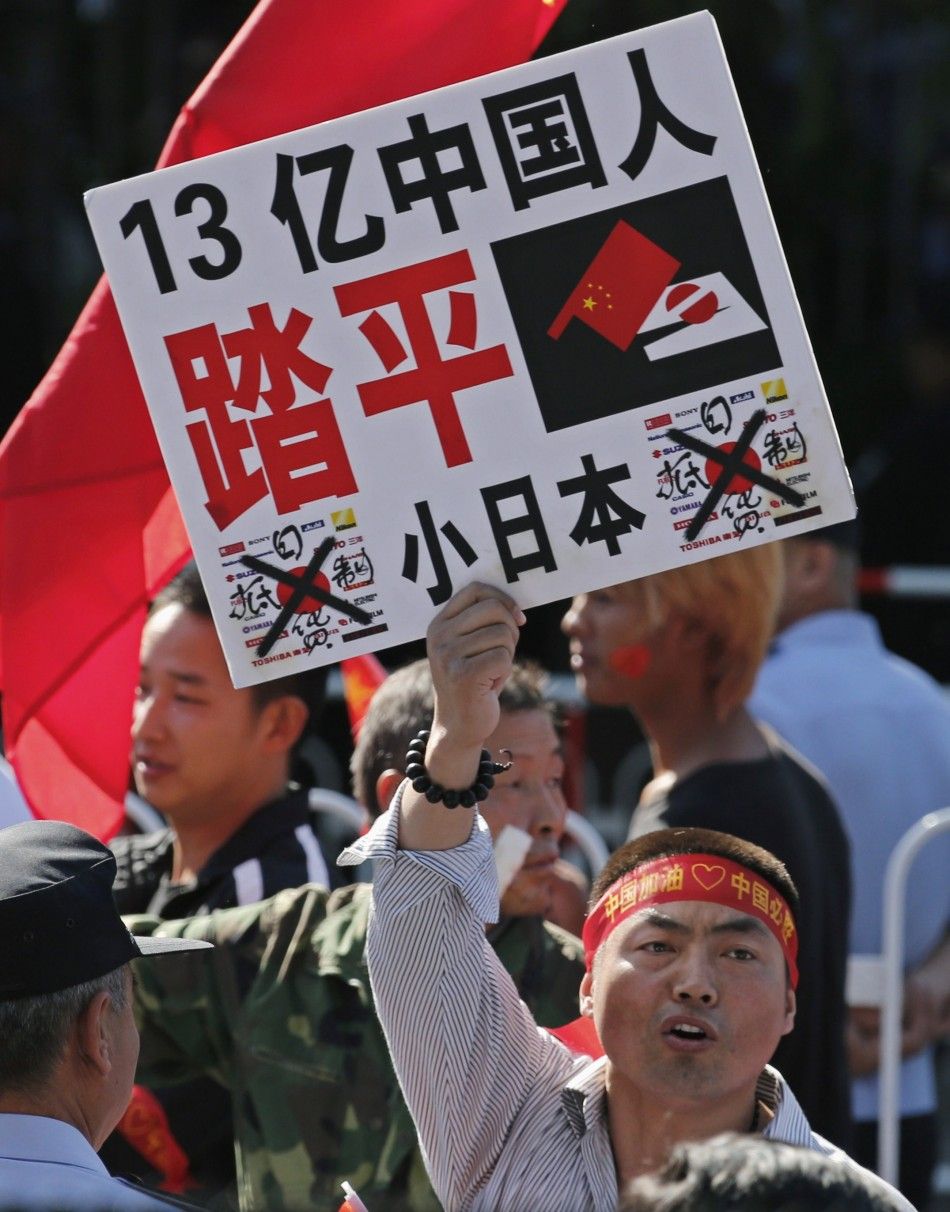
Banners carried by demonstrators across China on September 18 carried the words "Do Not Forget National Humiliation".
Amid ongoing tensions with Japan over the Senkaku / Diaoyu islands in the East China Sea, historical memories of defeats dealt by the Japanese military in the early 20th century are adding fuel to the nationalist fire in China.
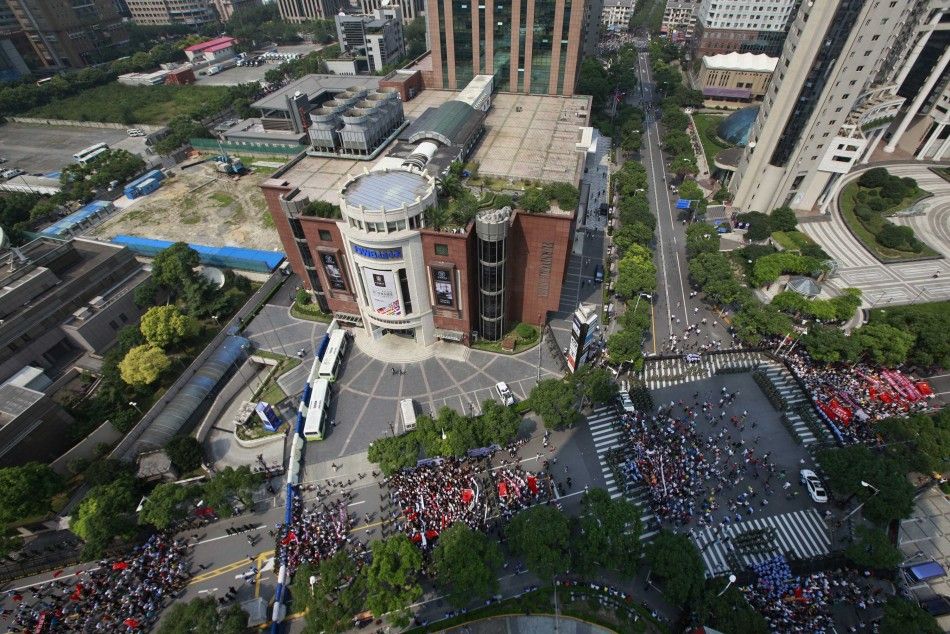
Japan's Kyodo News estimates that anti-Japan protests occurred Tuesday in some 125 different cities across China. That's more than twice the size of demonstrations over the past weekend, which took place in some 50 different urban areas.
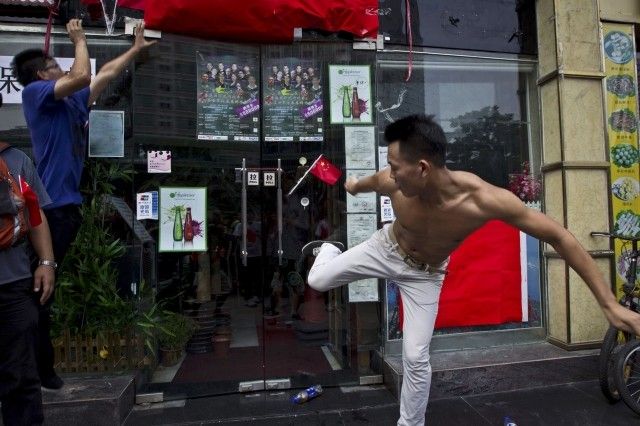
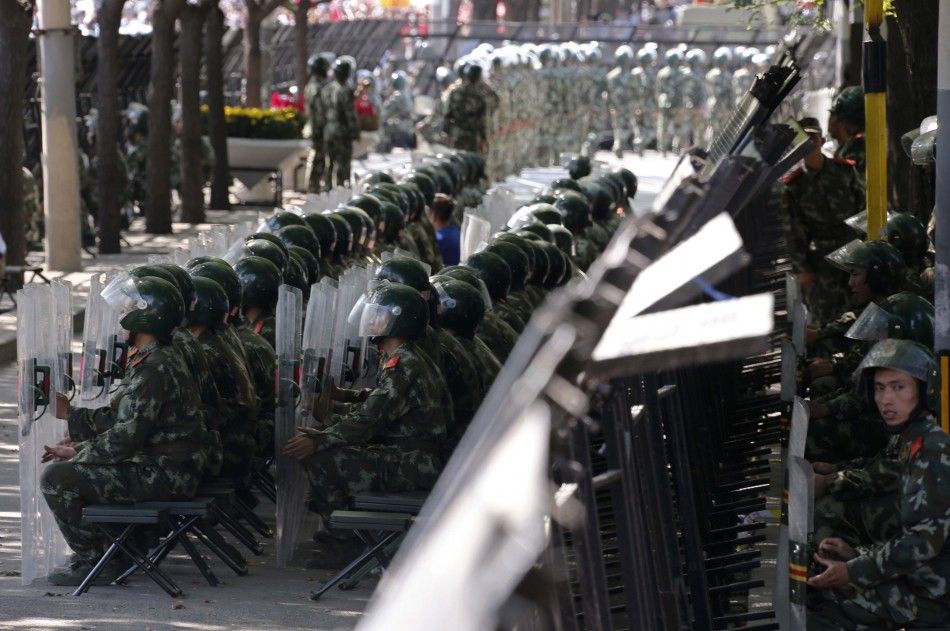
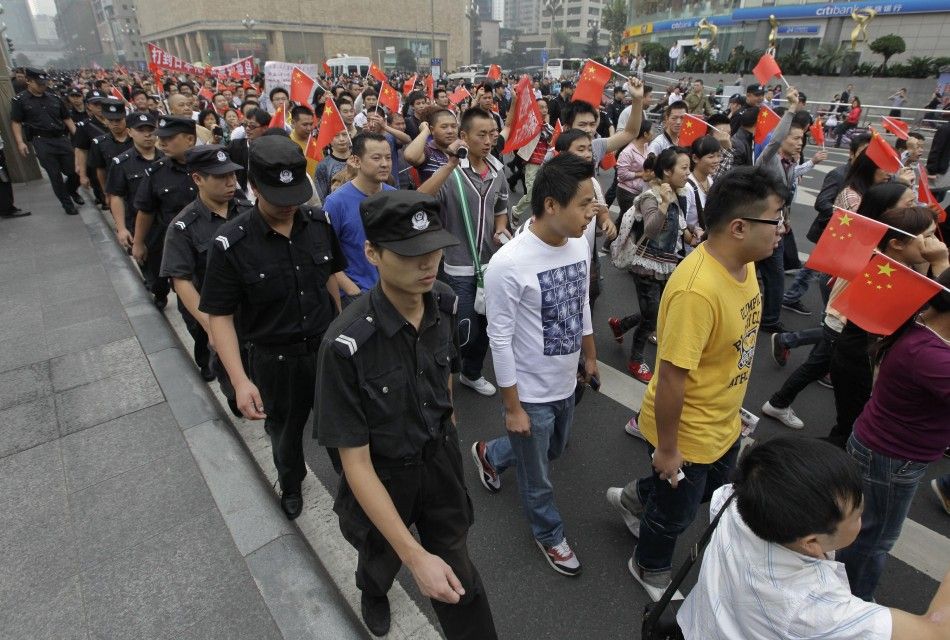
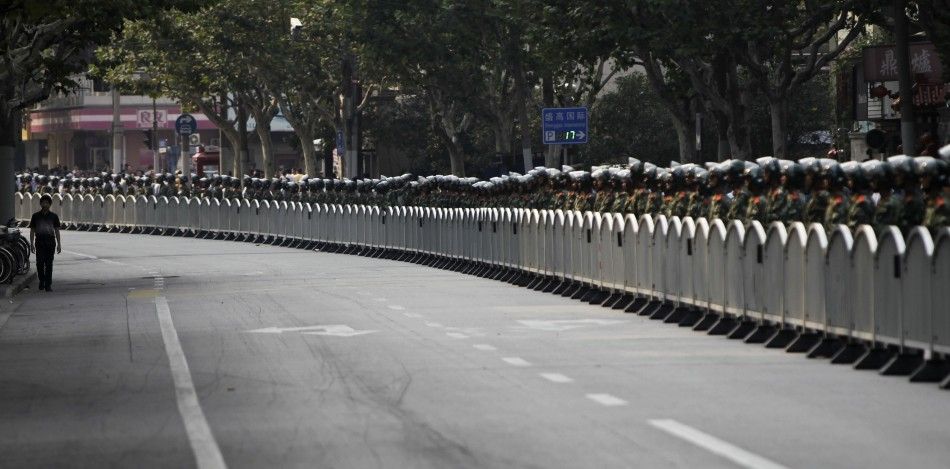
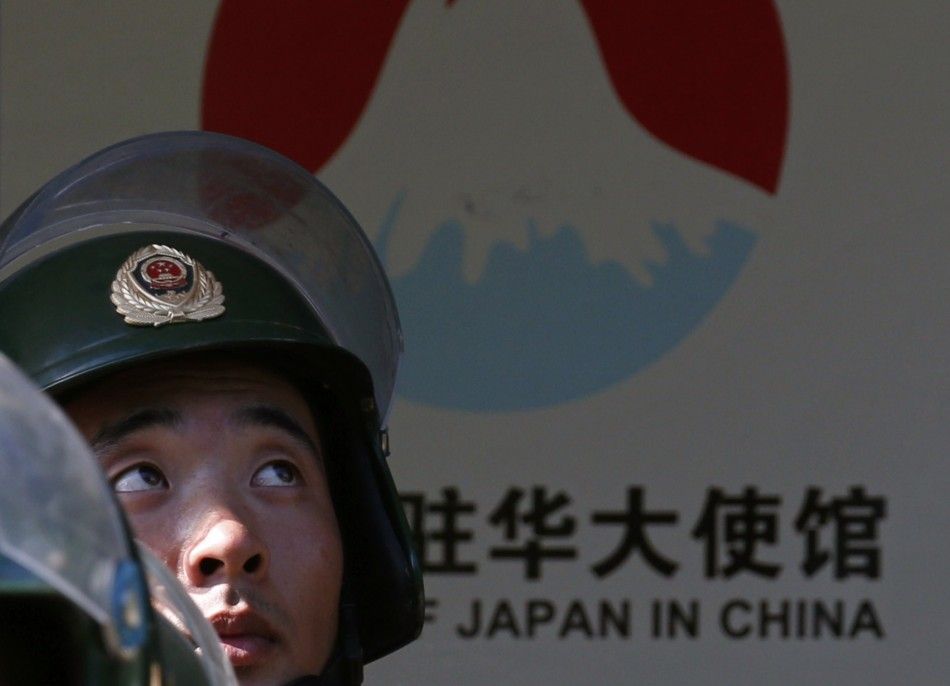
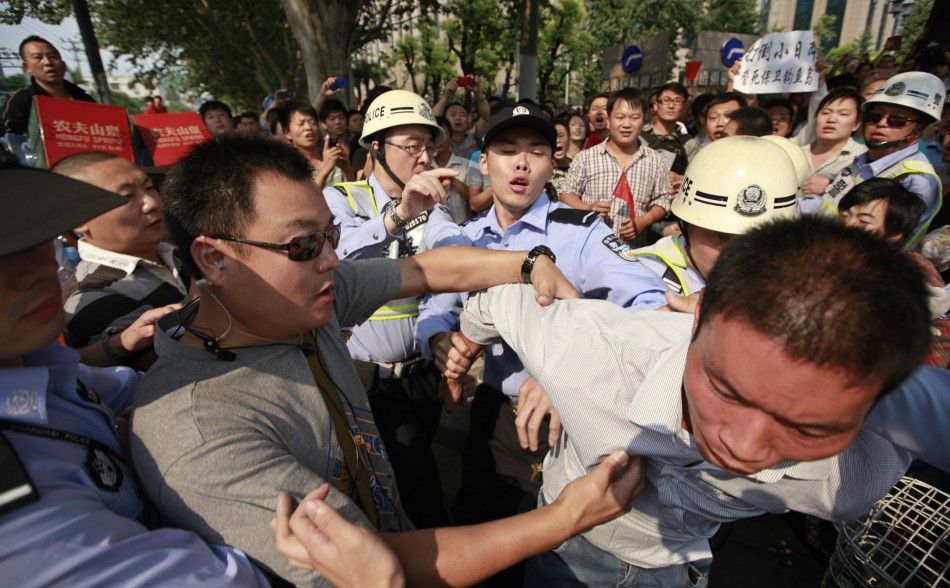
In numerous cities, streets were heavily lined with riot police and consulates were ringed with barricades; police turned out to escort demonstrators and serve as a deterrent against further violence. Those efforts weren't always successful on Tuesday. Protesters in past weeks have in some instances taken to smashing Japanese storefronts, lighting Japanese automobiles on fire, and destroying Japanese goods - regardless of whether it was Chinese or Japanese stores that carried them.
So why all the anti-Japanese anger in China surrounding September 18? The answer is largely one of historical perspective.
Eighty-one years ago, China looked very different from the industrial and economic heavyweight it is now. Nominally under the leadership of the Nationalist Party as the Republic of China (which is now on Taiwan), the country was technologically backward, economically defunct, and unified in name only. Warlords and regional governments controlled large parts of the country in semi-independence, including the resource-rich northeast, then largely known to the West as Manchuria.
Since the end of the 19th century European powers and Japan gained greater influence in the affairs of the country, carving out zones of economic and military control. Japan, having defeated China in 1895 and Russia in 1905 in two major wars, gained special privileges throughout much of Manchuria (such as military basing, commercial benefits, and extraterritorial legal protection) after also formally annexing Korea in 1910.
By the late 1920s, strong nationalist movements in China were worrying more extremist elements in the Japanese government and military that their interests and possessions in China were under threat.
In 1931, personnel within the Imperial Japanese Army staged an attack on a segment of Japanese-owned and operated railway near the city of Shenyang (then called Mukden), first blaming Chinese attackers, and then openly attacking Chinese military in the region, setting the pretext for the military takeover of Manchuria. The events are known in China as the 'Sept.18 Incident', in Japan as the 'Manchuria Incident', and in the West as the 'Mukden Incident'. By 1932 a puppet regime, not recognized internationally, was set up to administer Manchuria along Tokyo-friendly lines. Five years later Japan and China would be formally engaged in the beginning World War II in Asia, leading to more than 20 million dead in China and 2 to 3 million Japanese casualties.
In China that historical narrative showcases a period of national weakness and humiliation brought about by internal disunity and foreign aggression, notably at the hands of Japan. It is also a lesson that the Communist Party has been eager to reinforce in schools and popular media over past decades, presenting itself as the savior of the country and creator of a new China.
But critics of the demonstrations say the movement has become nationalistic to the point of blind anger, losing a sense of dignified opposition. Other political activists criticize the government for only allowing such public expressions of outrage when it is against a foreign government, rather than against domestic abuses.
The Chinese Foreign Ministry denied on Tuesday that the government had any involvement in organizing the protests and said they "spontaneously" came from citizen action. In past protests against Japan on related issues in history and territorial disputes, skeptical China observers have noted that the demonstrations form a useful tool to pressure Japan apart from more typical diplomatic pathways.
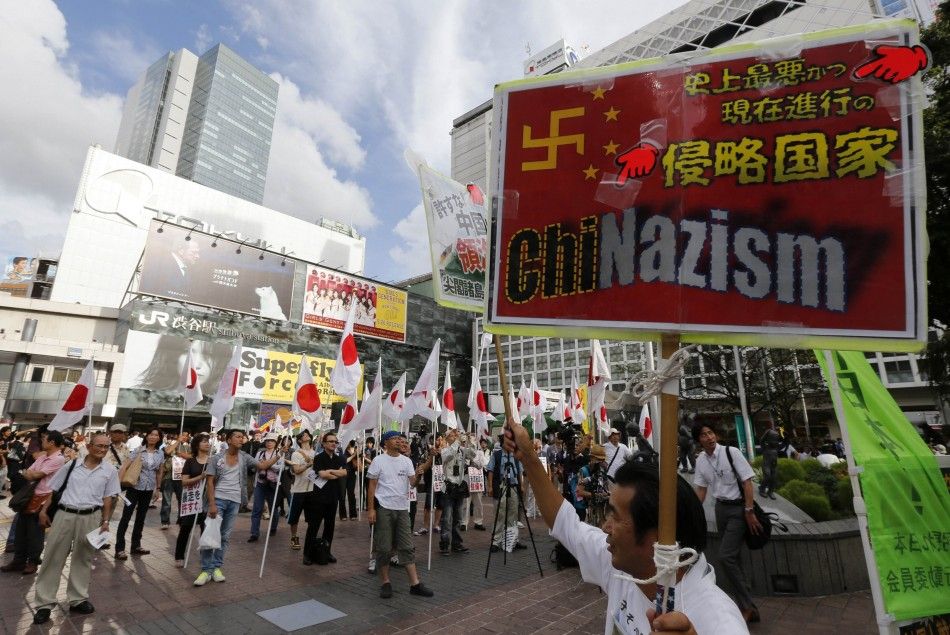
Japan's response to the issue has been a world apart, to the point of appearing one of near disinterest in comparison to China's massive public outcry.
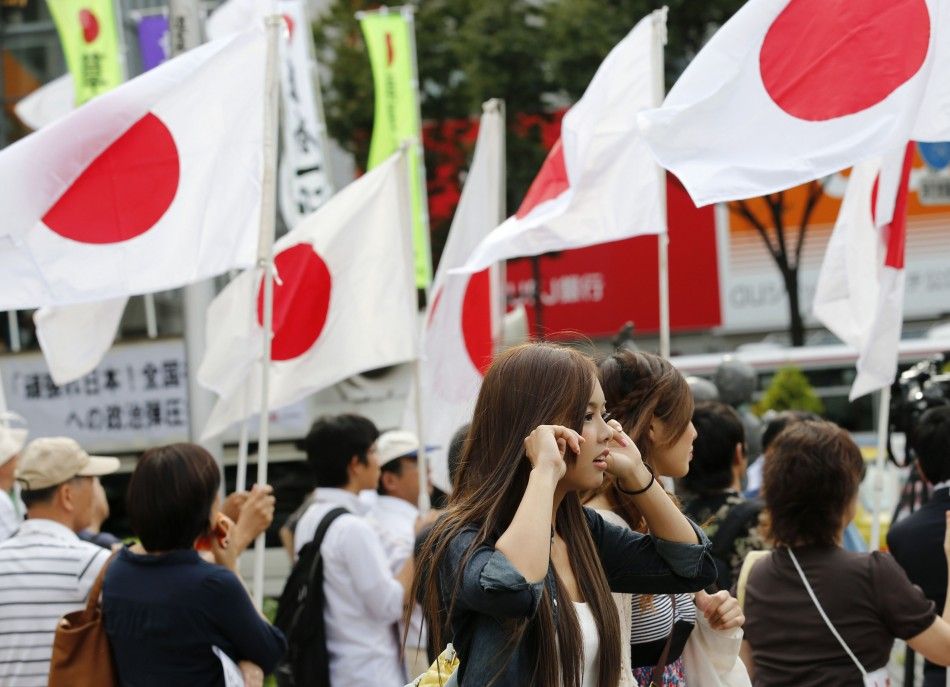
An anti-China rally held in Tokyo, meant to be a reaction, seemed almost quaint in comparison. Between 30 and 50 people, holding Japanese flags, turned out in Tokyo's vibrant downtown zone of Shibuya. Former Prime Minister Shinzo Abe came to give a speech at the event, organized by the Ganbare Nippon right-wing action group. The Wall Street Journal's Japan Real Time mentioned little if any interest from passersby.
Meanwhile in Beijing, demonstrators were eager to make their more threatening opinions known. Speaking to the New York Times, Zhang Dongxiao, a student of the University of International Business and Economics in Beijing (an institution that, one imagines, would draw moderates supporting economic cooperation) said "Japan must fear China."
Chinese Defense Minister Liang Guanglie, who is meeting with U.S. Secretary of State Leon Panetta to discuss establishing closer military communication and ties between Beijing and Washington, noted that "We pay close attention to the development of the [Diaoyu Islands] issue and we reserve the right to take further actions, but we hope the issue will be properly resolved through peaceful ways and negotiations."

© Copyright IBTimes 2024. All rights reserved.
-

New Post-Brexit Controls: A Thorn For UK Horticulture
-

Climate Change, Brexit Threaten To Wilt Dutch Tulips
-

Gaza Puppet Maker Turns Tins Into Toys In Ruins Of War
-

G7 Holds 'Strategic' Talks In Climate Hotspot Italy
-

Will He Resign Or Not? Spain Awaits PM's Decision
-

Olympic Deal Shows Bubbling Market For Zero-alcohol Beers
-

Migrants Eyeing Europe Bide Their Time In Tunisia
-

Fed's Favored Inflation Measure Accelerates, Dimming Rate Cut Hopes
-

Barking Mad? Milei's Attachment To 'Dead' Dog Raises Sanity Worries
-

Macron Warns 'Mortal' Europe Needs Credible Defence


