

Therapy May Reverse Multiple Sclerosis Effects
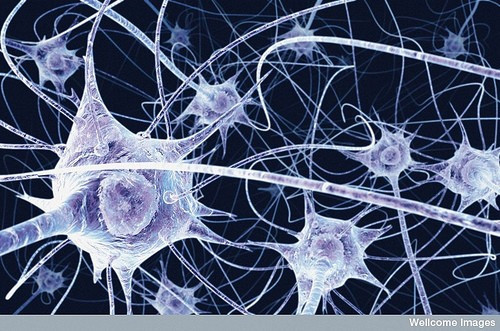
Researchers have found a new therapeutic method that may restore damaged myelin sheaths lost during Multiple Sclerosis in a proof-of-principle study published in the journal Cell Stem Cell.
The animal study found that exposing old animals to circulatory systems of young animals may regenerate myelin sheaths surrounding the nerves lost during Multiple Sclerosis.
The study was carried about by researchers from Joslin Diabetes Center, Harvard University, and the University of Cambridge.
Aging impairs regenerative potential in the central nervous system, says author Amy J. Wagers, PhD.
Wagers is an associate professor of stem cell and regenerative biology at Harvard University and Joslin. She co-led the study with Professor Robin Franklin, director of the MS Society's Cambridge Centre for Myelin Repair at the University of Cambridge.
Multiple Sclerosis is a nervous system disease that affects the brain and spinal cord. It damages the myelin sheath, the material that surrounds and protects nerve cells. The damage slows down or blocks messages between the body and the brain. MS affects women more than men. It often begins between the ages of 20 and 40. There is no cure for MS, but medicines may slow it down and help control symptoms, according to National Institutes of Health Institute of Neurological Disorders and Stroke.
Researchers using a surgical technique introduced experimental demyelinating injury in the spinal cord of an old mouse, creating small areas of myelin loss, and then exposing that area to cells found in the blood of young mouse. Immune cells from the young mouse helped old mouse stem cells to restore effective remyelination of the spinal cord.
This means that, in theory, regenerative therapies will work throughout the duration of the disease, said Franklin.
This could be particularly useful, in treating MS, according to the researcher.
This impairment can be reversed, however, suggesting that the eventual development of cell-based or drug-based interventions that mimic the rejuvenation signals found in our study could be used therapeutically, said Franklin.
Copyright Medical Daily News Service. All rights reserved.