Parkinson’s Research: Scientists Grow Artificial Stem Cells
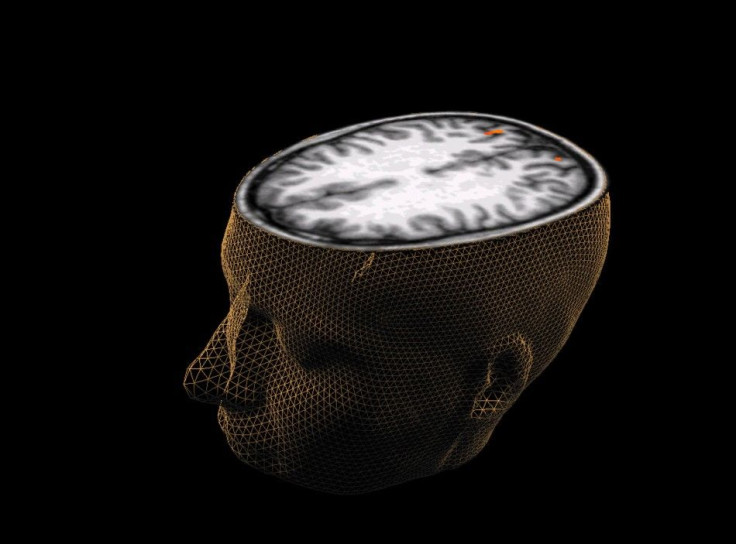
For the first time, scientists in the U.S. have grown brain nerve cells from skin to study Parkinson's disease.
This experiment using stem cells can help researchers to find out how the debilitating condition progresses in humans and how it corrupts, through mutations, healthy brain cells of a person.
The study was led by Dr Jian Feng of the State University of New York, Buffalo, and was published in the journal, Nature Communications.
The degenerative condition results from the death of dopamine-generating cells in the brain. This results in movement-related symptoms like shaking, rigidity, slowness of movement and difficulty with walking and gait.
Apart from this, cognitive and behavioural problems may also arise, with dementia commonly occurring in the advanced stages of the disease.
Earlier, such brain nerve cells called neurons were inaccessible as they lie deep in the brain, but the stem cell technology has solved the problem.
This is the first time that human dopamine neurons have ever been generated from Parkinson's disease patients with parkin mutations. Before this, we didn't even think about being able to study the disease in human neurons. The brain is so fully integrated - it's impossible to obtain live human neurons to study, Dr Feng said.
The parkin gene, which was subjected to study, plays a key role in controlling the brain-signalling dopamine levels with the help of an enzyme called MAO (monoamine oxidase).
However, when mutations of this gene occur, the MAO levels change abruptly. This causes the conditions to become toxic for the dopamine producing brain cells as a result of which signalling across the brain goes haywire, leading to most of the symptoms of Parkinson's.
According to Allvoices, as the parkin gene does not develop into Parkinson's in animals, the study of it in humans is very important and as noted above, obtaining live samples is of course improbable. So this breakthrough has opened up a previously untapped resource in the study of Parkinson's.
© Copyright IBTimes 2026. All rights reserved.
- MOST READ