

Mardi Gras 2012: What To Know About Carnival History and Traditions
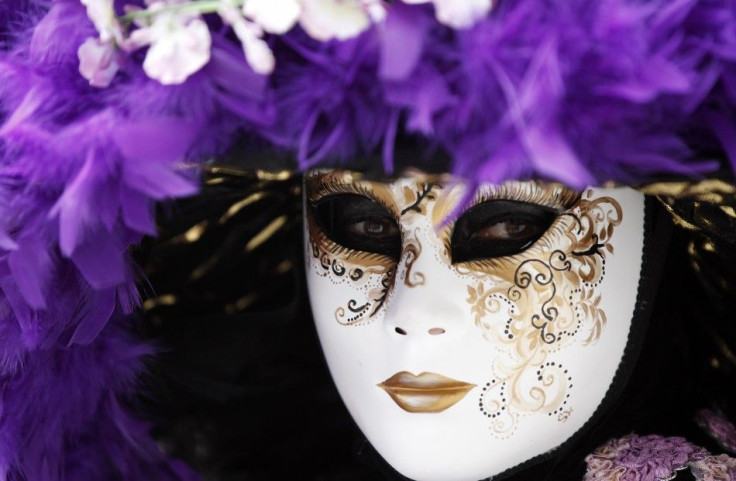
It's almost Mardi Gras 2012, and people around the world are preparing for the carnival season that comes before Lent. But how did Mardi Gras get started? What does its name mean? How did it take root in New Orleans, and how is it celebrated around the world?
Here are five things to know about Mardi Gras history and in traditions, from how the holiday is celebrated in Sweden and Brazil to why some believe the carnival's roots lie in ancient Rome.
1. What Does Mardis Gras Celebrate?
The phrase Mardi Gras means Fat Tuesday in French, referring to the Catholic tradition of eating richer, fatty foods just before the Lenten fast.
The ceremony has since come to be associated with all forms of joy and excess. It is the last hedonistic exercise before the meditation and cleansing of Lent, which lasts from Feb. 22 to April 7, 2012.
2. How Did Mardis Gras Begin?
Mardi Gras, also known as Carnival season, came to the U.S. from France, where it had been a tradition since the Middle Ages. Meant to coincide with the Lent, the carnival begins on or just after the Christian feast day of Epiphany and culminates the day before Ash Wednesday.
Mardi Gras's roots, however, may predate those traditions. Many see the carnival as a descendant of ancient tribal rituals of fertility that welcomed the arrival of Spring. One such holiday was Lupercalia, a Roman festival devoted to excess.
3. How Did Mardi Gras Become A New Orleans Staple?
According to most sources, Mardi Gras arrived in New Orleans by way of French explorer Pierre Le Moyne, Sieur d'Iberville.
Iberville launched an expedition along the Mississippi River back in 1699. He set up camp on the West Bank of the river, about sixty miles south of the present day Louisiana city on March 3, the same day Mardi Gras celebrations happened to fall in France. To honor his native country, Iberville named the site Point du Mardi Gras, and celebrations have been held there ever since.
Some sources, however, claim that Mardi Gras actually began in New Orleans over a century later, in 1827. According to this story, a group of students who had recently returned from France decided to bring some Parisian revelry to the city, donning strange costumes and dancing through the streets. The local inhabitants were so enamored of the tradition that they claimed it for their own.
Regardless of when it began, however, the New Orleans Carnival season was well established by the mid-1800s, and has been a Louisiana staple ever since.
4. How Is Mardi Gras Celebrated Around The World?
The various nations who take part in Mardi Gras celebrate the carnival season differently, and call the festival by many different names.
In Belgium, the Carnival of Binche is the most important day of the year, and features clown-like performers in wax masks known as Gilles. In Germany, Karneval (also known as Fastnacht or Faschin) is celebrated the day before Ash Wednesday, and centers on several parades in Cologne, Mainz and Dusseldorf.
In Italy, France, the U.S. and the Netherlands, mass carnivals are held over a series of days. They feature masked balls, street performers, singing and dancing, firework displays and outdoor feasts, all culminating on Fat Tuesday itself.
In Sweden, the celebration is called Fettisdaggen, and was once the only day Swedish citizens ate semla, traditional pastries filled with bread crumbs, milk and almond paste and topped with whipped cream and powdered sugar.
And in Brazil, Carnaval takes center stage. The biggest event of the year, the festivals attract 70 percent of the country's annual tourists and are held through the country, though the largest and most extravagant celebrations are held in Rio de Janeiro. Brazilian Carnaval is noteworthy for incorporating samba traditions into the Mardi Gras celebrations.
5. What Do The Mardi Gras Colors Mean?
Throwing trinkets into the crowd at Mardi Gras has been a tradition since 1870, and Mardi Gras beads have long been a staple of that tradition.
Although the beaded necklaces thrown from the balconies and passed out at events come in all shapes, sizes and colors, everyone tries for purple, green and gold strands. Purple traditionally represent justice, while green represents faith and gold represents power. They bring good fortune to the person who catches them, but will bring bad luck if visitors pick them up from the ground.
King cake, another New Orleans staple, has its own rituals and superstitions. There are actually two kinds of king cake: one in ring form, and one modeled after the galette de roi sold in French bakeries. King cakes usually comes stuffed with cream cheese, pecans or a variety of fruits, and are dusted with purple, green and gold sugar.
For many years, king cake came with a plastic baby inside to symbolize Jesus Christ, with good fortune brought to the man or woman who found it. Today, to combat choking hazards, the baby is placed on top of the cake, if it is present at all.
This information was compiled with help from Mardi Gras New Orleans.
© Copyright IBTimes 2024. All rights reserved.
-

Senate Prevents Potential Air Travel Chaos, Reauthorizes FAA For Five-Years
-

Panama Papers Law Firm Boss Ramon Fonseca Dead
-

Pandemic Agreement Talks Go To The Wire
-

Low-cost MRI Paired With AI Produces High-quality Results
-

School's Out: How Climate Change Threatens Education
-

Hong Kong Demands Online Platforms Remove Banned Protest Song
-

2023 'Year Of Record Climatic Hazards' In Latin America: UN
-

Crypto Community Buzzes As Grayscale Withdraws Ethereum Futures ETF Application
-

Mongolia's Wildlife At Risk From Overgrazing
-

Milking Venom From Australia's Deadly Marine Animals


