

From Rags To Riches: China's Military At 85
The People's Liberation Army (PLA) of China is 85 years old today.
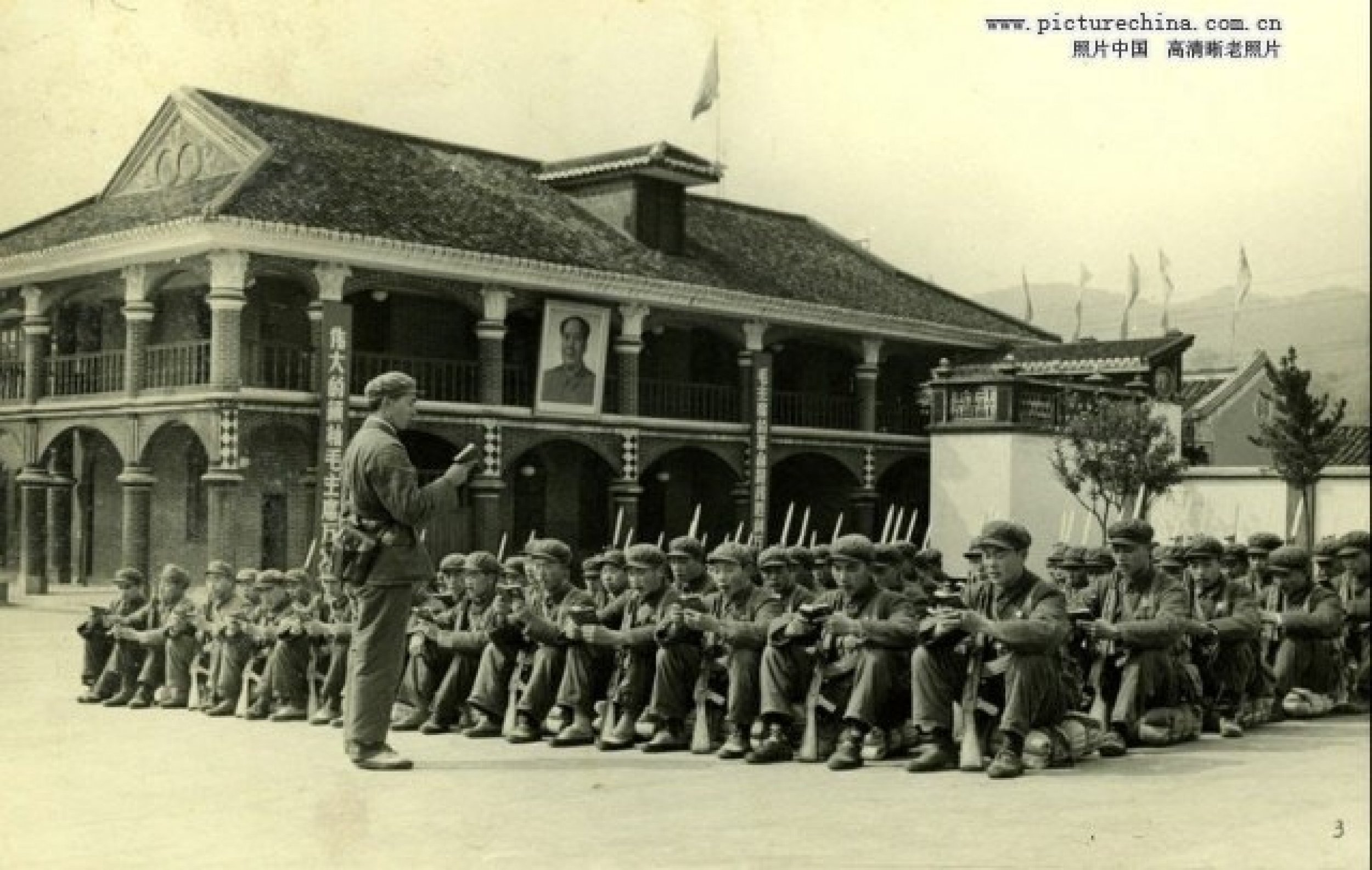
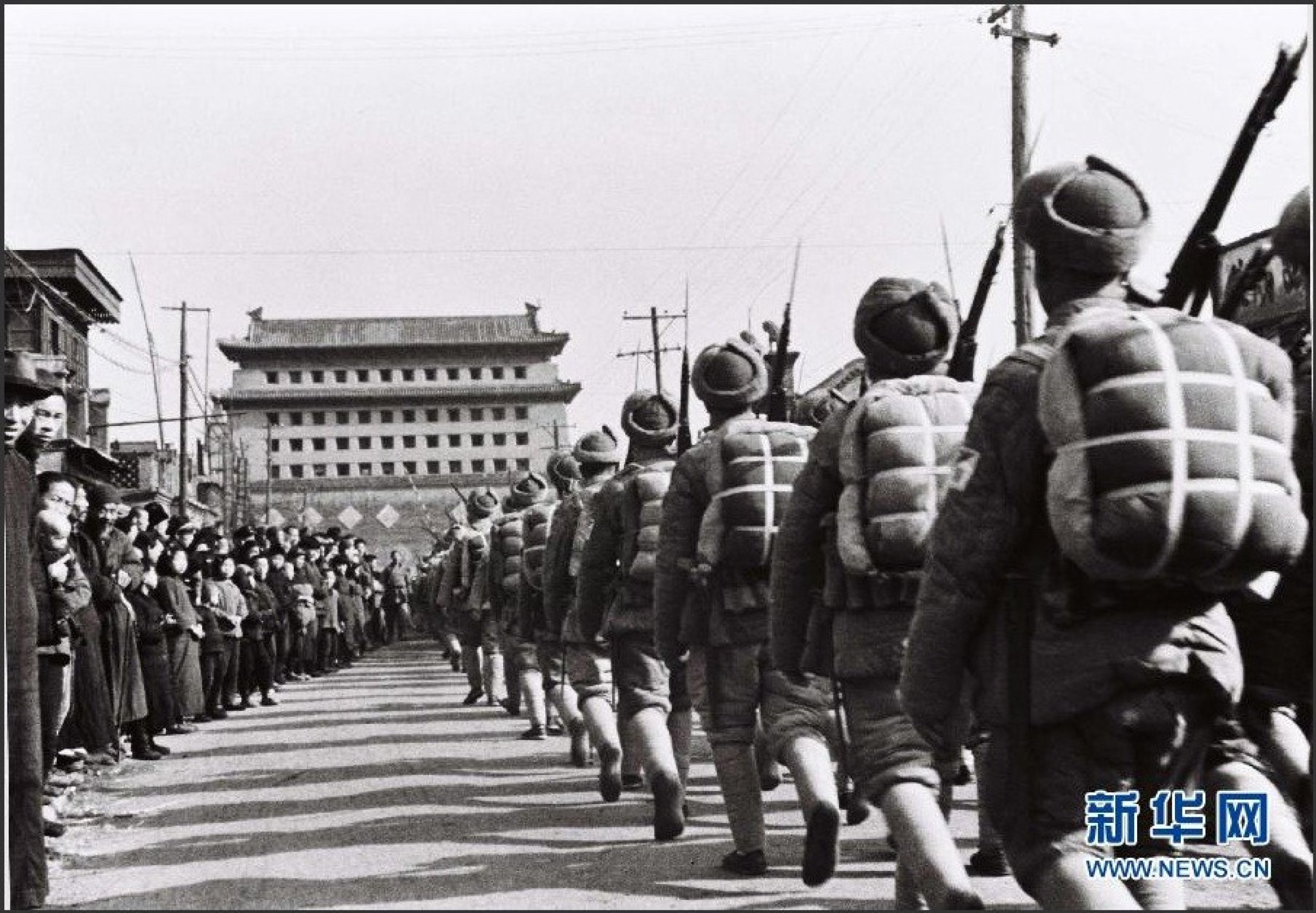
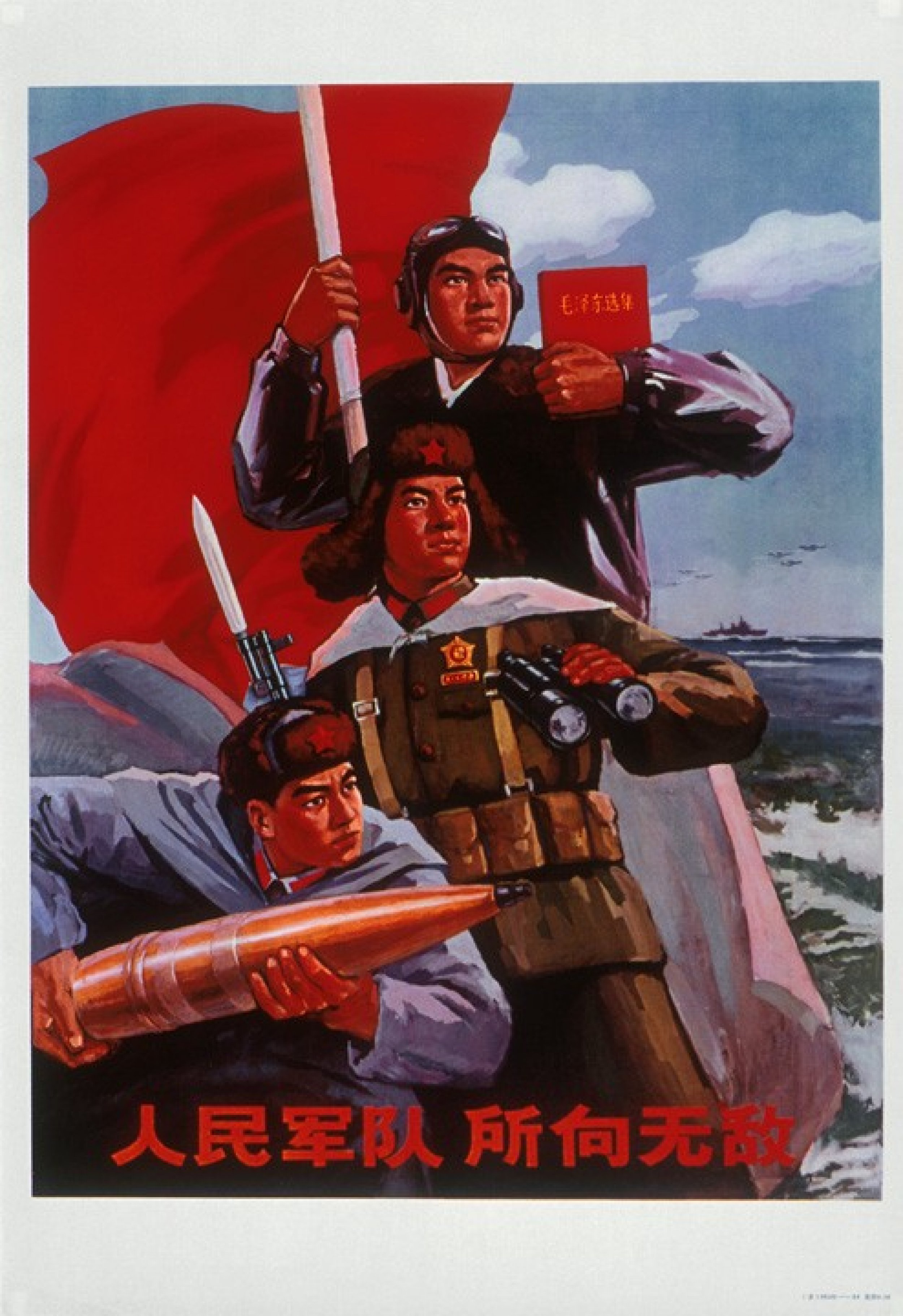
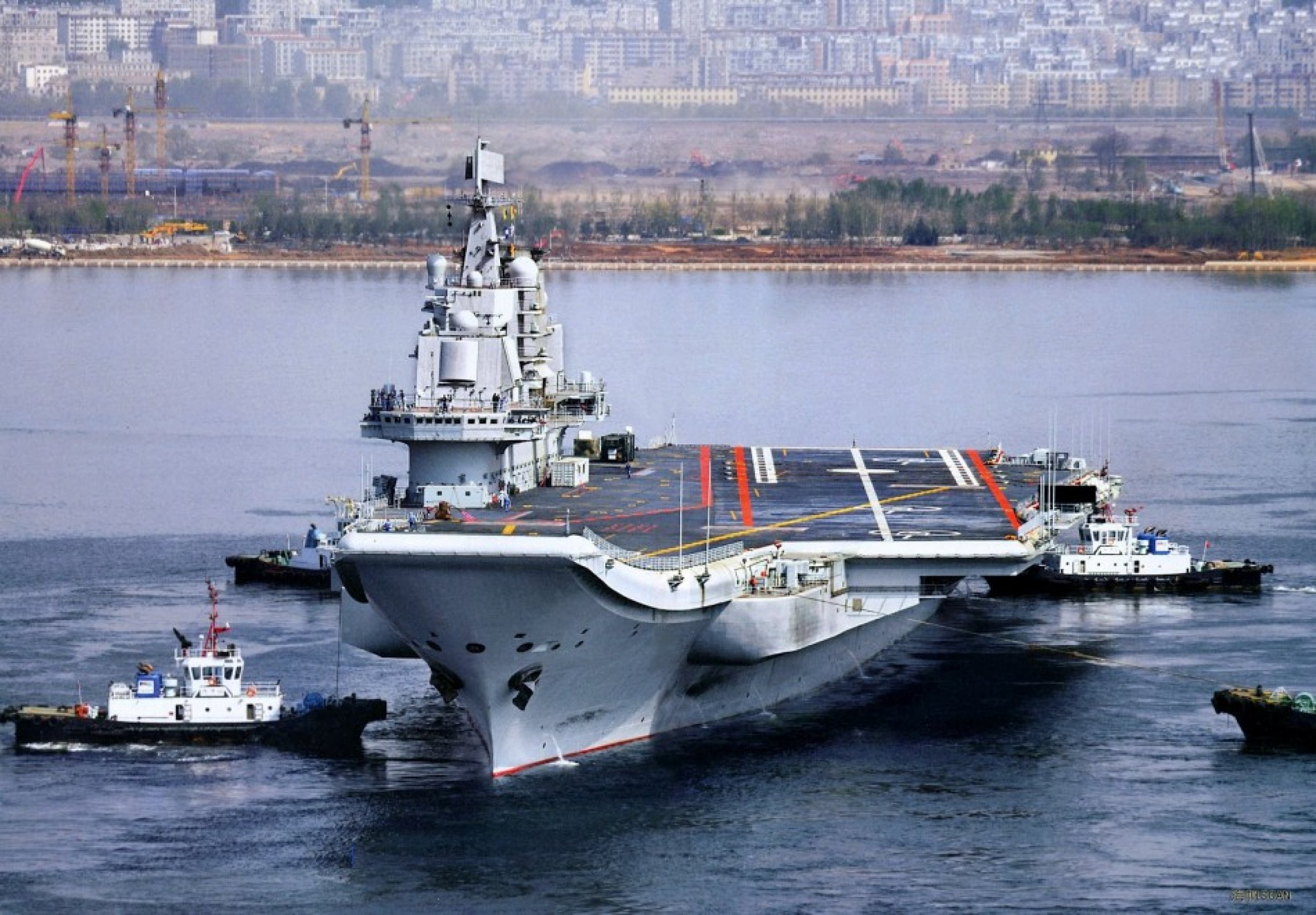
From a tiny force of 20,000 -- which rose up on August 1, 1927 in defiance against China's then Republican - Nationalist government crackdown on Communist elements -- China's unabashedly Communist military is now the world's largest, with 2.2 million active-duty personnel.
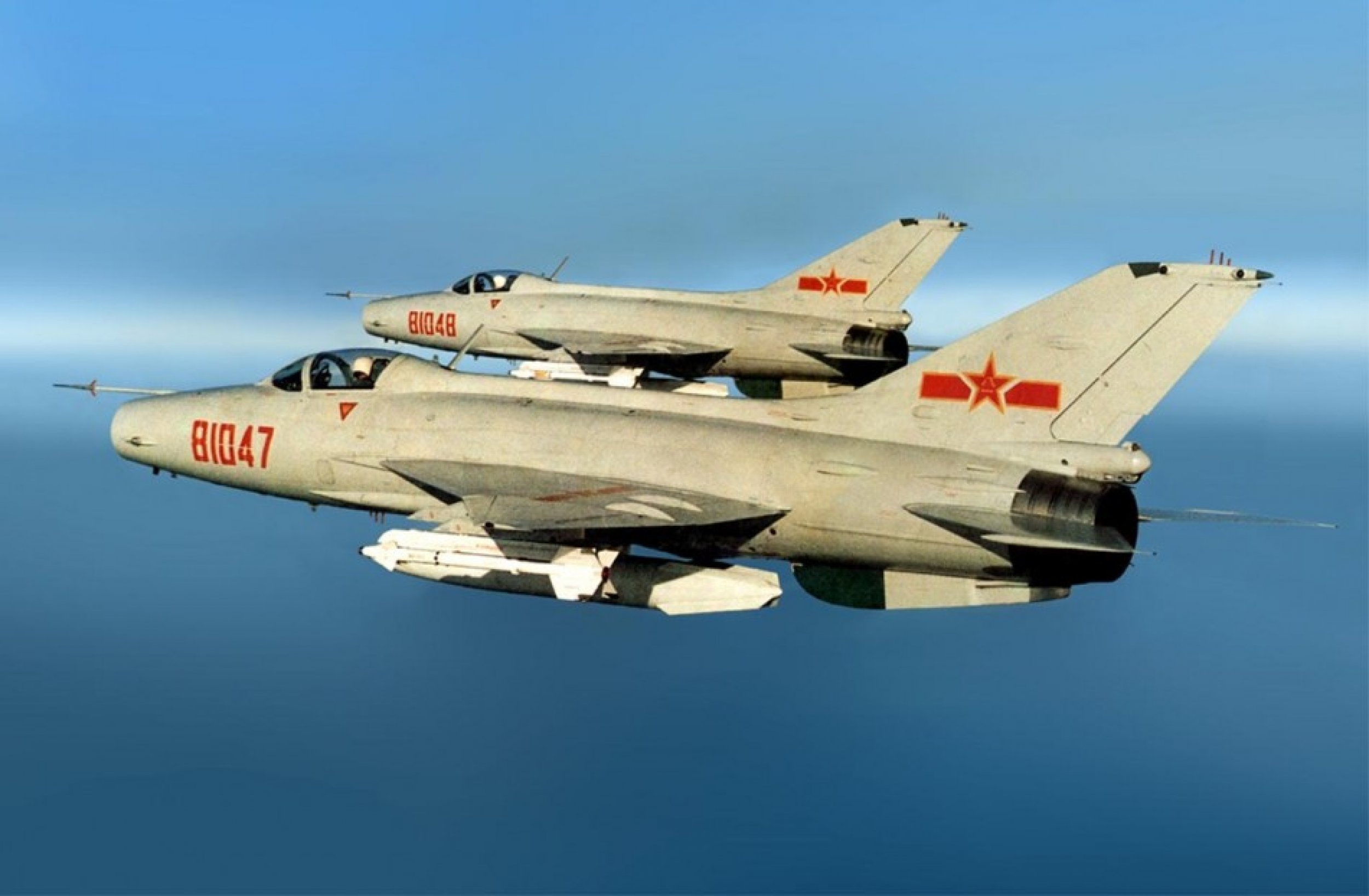
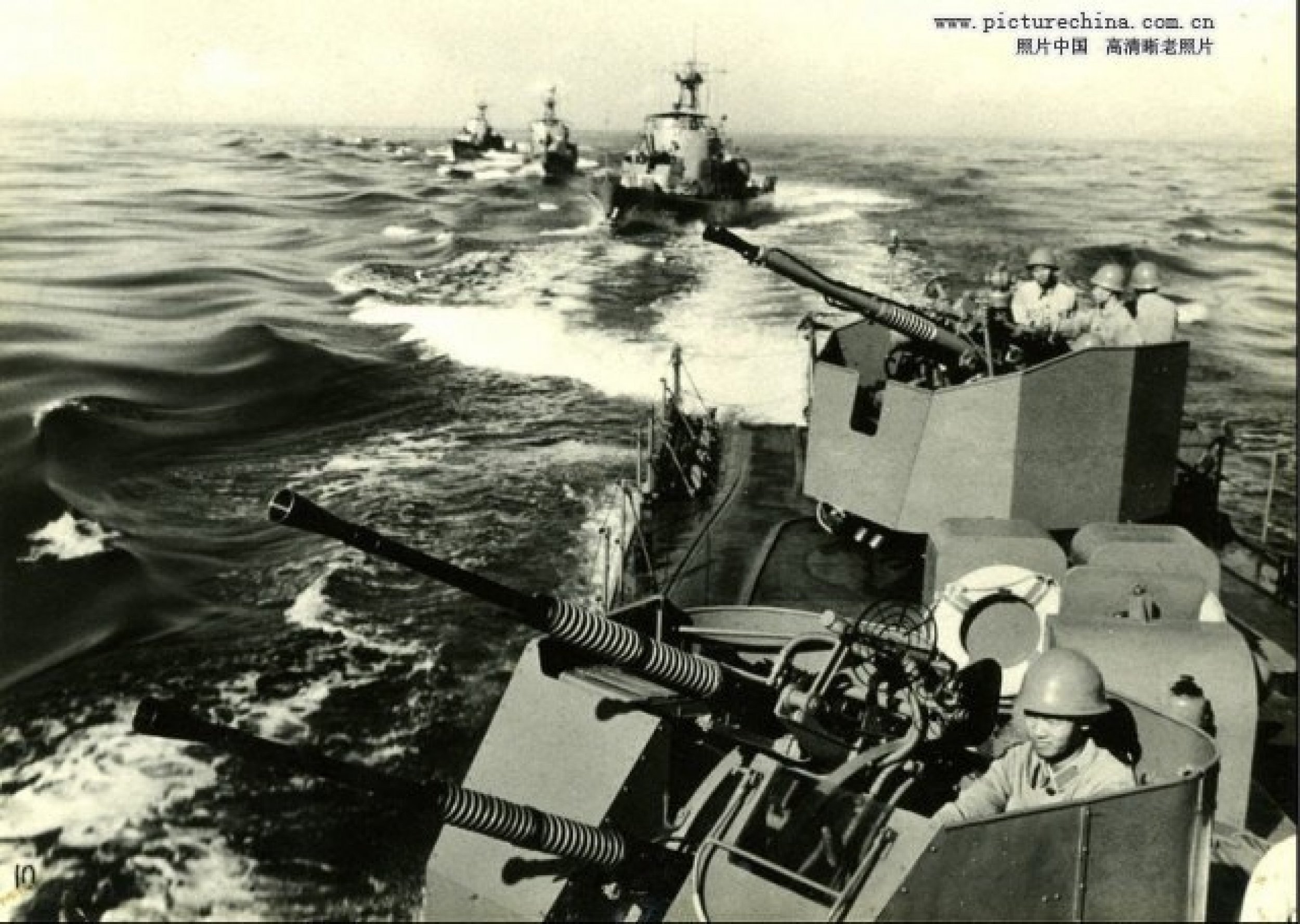
Its navy and air force, nearly non-existent before 1950, now ranks among the world's largest -- though the PLA Navy doesn't yet outweigh the U.S. Navy in total tonnage and the air force remains smaller in total size than the U.S.' and Russia's.
Over the past 30 years, as China modernized to become more economically open and competitive, resources flowed towards military modernization, changing a land and mass-infantry dominated force increasingly into one fixated on the seas, air, and cyberspace.
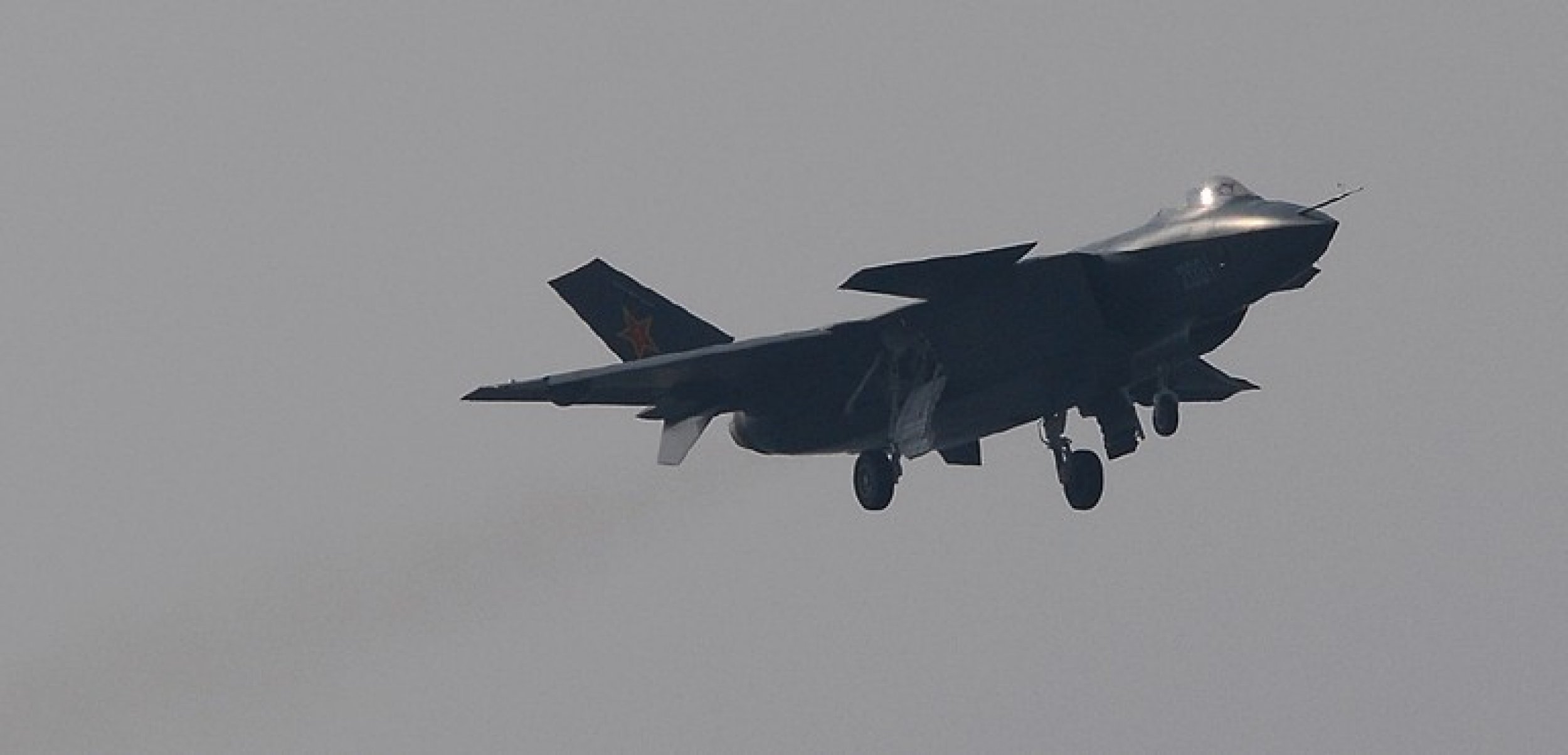
It has also shown through reverse engineering and autonomous innovation that it can build sophisticated weapon systems to rival those produced in the West.
And unlike during the Cold War when the PLA dedicated itself to border defense and preparations for confronting either a possible American or (later) Soviet invasion, it is now looking overseas: Chinese warships patrol waters off the coast of Somalia, providing protection for international vessels transiting through the area.
In the early 1950s the PLA fought United States and United Nations troops to a bloody standstill on the Korean Peninsula. Today, increasingly large numbers of Chinese troops are serving with the UN (in non-combat peacekeeping roles), in the Middle East and Africa.
So it seems that while it's raising the hairs on the necks of the defense community in Washington, Tokyo, Manila, New Delhi, Moscow, and Hanoi, the octogenarian PLA is exerting more of an impact on the rest of the world than ever before.


© Copyright IBTimes 2024. All rights reserved.
-

G7 Holds 'Strategic' Talks In Climate Hotspot Italy
-

Will He Resign Or Not? Spain Awaits PM's Decision
-
Olympic Deal Shows Bubbling Market For Zero-alcohol Beers
-

Migrants Eyeing Europe Bide Their Time In Tunisia
-

Fed's Favored Inflation Measure Accelerates, Dimming Rate Cut Hopes
-
Barking Mad? Milei's Attachment To 'Dead' Dog Raises Sanity Worries
-

Microsoft Expands Its AI Empire Abroad
-

Oil: 'Mother Of Corruption' In Venezuela
-

'Extreme' Climate Blamed For World's Worst Wine Harvest In 62 Years
-

Macron Warns 'Mortal' Europe Needs Credible Defence


