

Space Junk to be Blasted with Swiss-Made CleanSpace One Satellite [VIDEO]
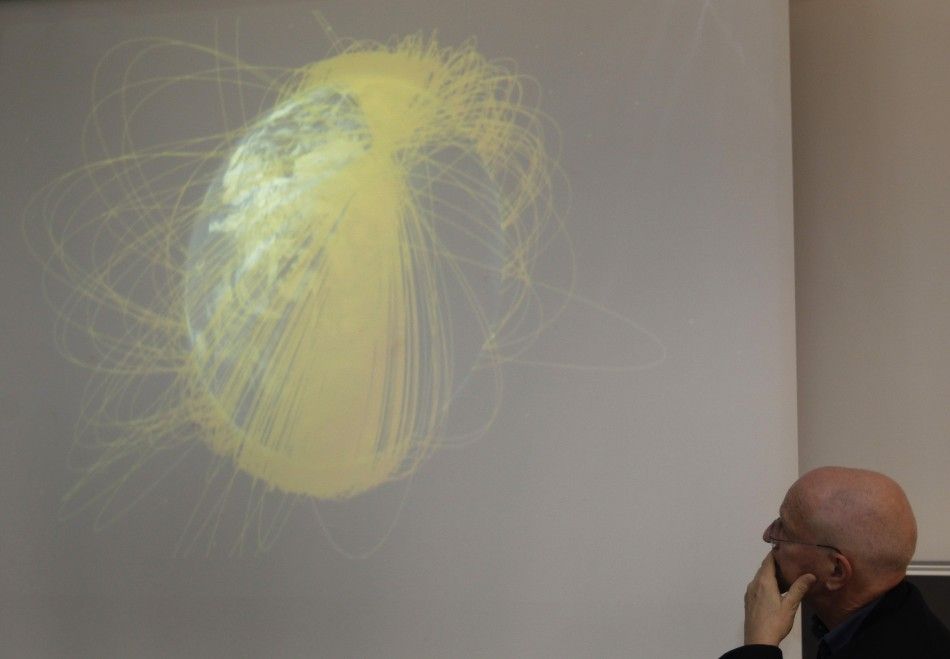
Space junk now in Earth's orbit will be blasted into dust by a new Swiss satellite called the CleanSpace One, and its mission is a critical one. NASA says nearly 95 percent of the objects in the above picture are junk. Though Switzerland is not responsible for adding to that amount of space debris, they aim to be the ones cleaning it up. The Swiss Space Center is building the CleanSpace One satellite for the express purpose of finding, collecting and destroying not functional satellites and other orbiting detritus.
NASA's Orbital Debris office said there are nearly 19,000 bits of junk floating around the Earth larger than 10 cm, NPR reported. The junk can wreck satellites and even make more debris when the bits slam into each other. Because the satellite and it's target would be traveling at around 28,000 kilometers per hour, the whole idea is risky if CleanSpace One is off target even a little bit. Watch the video below for an explanation, and then start the slideshow to see CleanSpace One up close. Tell us in the comments if you think the project makes sense or if it's a waste of money.
MUST READ: Hyper-Realistic Graphics Breakthrough: Artist Solves Human Rendering Special Effects Puzzle [VIDEO]




© Copyright IBTimes 2024. All rights reserved.
-

Microsoft Expands Its AI Empire Abroad
-

Oil: 'Mother Of Corruption' In Venezuela
-

'Extreme' Climate Blamed For World's Worst Wine Harvest In 62 Years
-

Macron Warns 'Mortal' Europe Needs Credible Defence
-

Bitcoin And Crypto Price Review - Another Myth Gets Busted?
-

Mass Cancellations Loom Despite French Air Union Cancelling Strike
-

Mired In Crisis, Boeing Reports Another Loss
-

Recycled 'Zombie' Misinformation Targets US Voters
-

Hackers Leak Part Of Source Code Of El Salvador's Bitcoin Wallet
-

Azerbaijan Says 'Closer Than Ever' To Armenia Peace Deal Amid Border Talks


