

When Disaster Strikes, Will Insurance Be Enough? Nearly Half Of US Households Aren’t Confident It Will Cover Them.
A Financial Health Network report finds renters feel less protected than homeowners, while broader household financial strain also increases.

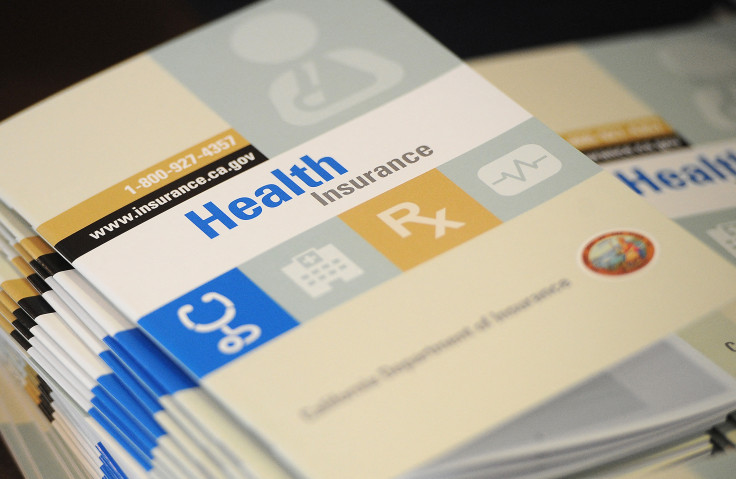
Americans are growing less confident that their insurance will protect them in an emergency, with household confidence falling to its lowest level since the Financial Health Network began tracking the measure in 2018.
The organization's 2026 Financial Health Pulse report found that 54% of households were at least somewhat confident their policies would cover them during an emergency, down from 56% a year earlier. The decline reflects a gradual erosion in confidence rather than a sudden, isolated reversal.
The report examines changes between spring 2025 and spring 2026. Its insurance findings cover multiple types of protection, including health, property and life insurance, rather than measuring satisfaction with a single industry.
The results point to differences in how protected consumers feel, even among those who have coverage. Renters with renters insurance were considerably less likely than homeowners to describe their property insurance as providing strong protection.
Just 61% of insured renters said they felt "mostly" or "very well" protected, compared with 79% of homeowners. That 18-percentage-point difference measures perceptions of coverage, rather than establishing that either group's policies would necessarily pay more or less after a loss.
Health-related experiences also separated households' assessments of their protection. Around 6 in 10 households that had experienced an unexpected out-of-pocket medical expense or a major health change during the previous year felt mostly or very well protected by their health insurance.
Among households that had not experienced those events, the figure was approximately 7 in 10. The comparison suggests that confidence can look different among people who have recently faced a health-related financial shock, although it does not establish what caused their assessment.
The report found concerns across insurance categories, with property coverage generating slightly more concern than health or life insurance. Its findings do not provide a national claims-denial rate or establish that declining confidence resulted from any particular insurer practice.
Insurance was one of five financial-health indicators that deteriorated during the period, alongside spending relative to income, timely bill payments, debt manageability and planning.
The broader results show households confronting financial setbacks with less room in their budgets. The share spending less than their income declined from 49% to 47%. Meanwhile, 68% reported paying all their bills on time during the preceding 12 months, down three percentage points.
Debt pressures also intensified. The share reporting an unmanageable amount of debt increased from 29% to 31%. Financial vulnerability rose from 15% to 17%, reversing the previous year's improvement.
The research was conducted in partnership with the University of Southern California's Dornsife Center for Economic and Social Research and supported by the Principal Foundation. Its longitudinal approach allows researchers to examine changes among the same households over time.
© Copyright IBTimes 2026. All rights reserved.