

Damage To U.S. Bases In The Middle East Prompts Pentagon To Consider Pulling Back Troops: Report
The Defense Department might not rebuild struck bases as they were before the war began.

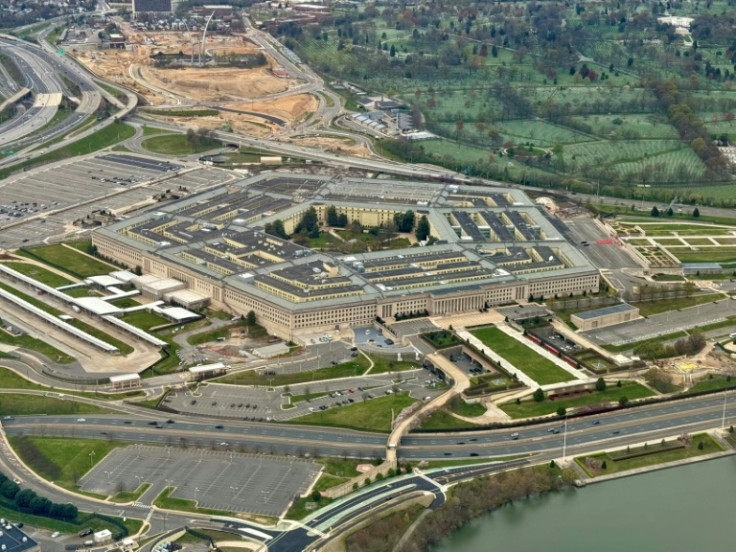
The U.S. Army is considering pulling back troops from the Middle East as the impact of the Iran war becomes increasingly evident, according to a new report.
The Washington Post claimed that the Defense Department has already signaled it might not rebuild struck bases as they were before the war began.
The outlet went on to detail that Defense Secretary Pete Hegseth has not ordered a formal review, but the Pentagon's policy office is already conducting an evaluation. The Joint Staff and the U.S. Central Command are also considering the possibility.
About 40,000 troops are stationed in the Middle East across some 20 sites. The largest are in the Persian Gulf, with Bahrain hosting the headquarters of the U.S. Fifth Fleet. Iran has demanded that the U.S. leave its bases as a result of the war. But the outlet said a drawdown could leave countries unable to defend themselves from eventual attacks from Tehran.
Another report detailed that the country's leadership is taking steps to widen the war with the U.S. and Israel.
The Wall Street Journal cited Arab intelligence officials who claim that Tehran is seeing a "strategic shift" and have begun taking steps to "get their forces ready to widen the war."
The steps include ramping up drone and missile production, as well as conversations with proxies in Iraq, Yemen and Lebanon to escalate conflicts elsewhere in the region.
One example was the providing of a list of Saudi targets to Yemen's Houthi rebels, the report added. The Iranian revolutionary guard has also sent neighbors a list of energy facilities that it said will strike if hostilities escalate again.
There are no signs that diplomacy will prevail. Iran has most recently said the fact the deadline to reach a deal with the U.S. as part of the memorandum of understanding the countries reached earlier this year is "irrelevant" given renewed hostilities.
"The 60-day discussion is no longer relevant," Iranian Foreign Ministry spokesperson Esmail Baqaei said, according to remarks published by state-run news agency IRNA.
Baqaei went on to say the period was set to kick off negotiations over the "nuclear issue" and the "lifting of sanctions," but that has not been the case because the U.S. violated the terms and prevented them from taking place.
President Donald Trump, on his end, said there are no talks ongoing and the Strait of Hormuz is open, even though traffic has been largely brought to a standstill.
© Copyright IBTimes 2026. All rights reserved.