

Energy Prices Push Euro Zone Inflation Above 3% Inflation Again. Interest Rate Hikes Could Follow.
The euro area is a net importer of energy and is heavily impacted by soaring prices.

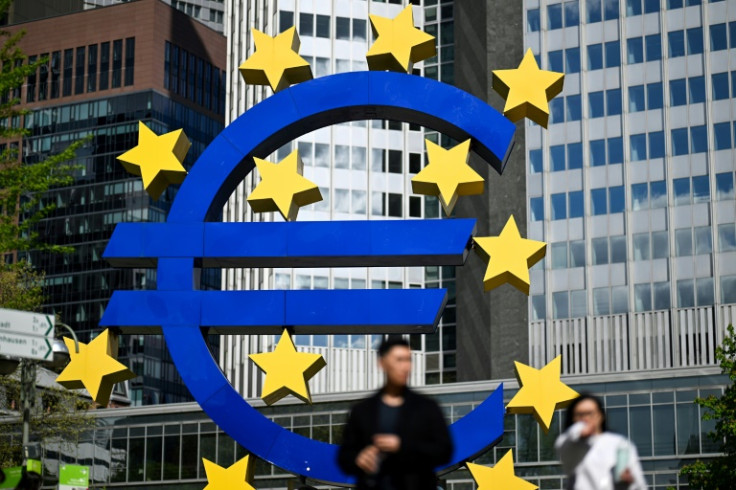
Inflation in the euro zone climbed back above 3% in August, fueled by energy prices.
Concretely, headline inflation rose 0.4 percentage points and clocked in at 3.3% in August, compared to 2.9% the month prior. It is the highest level since September 2024, Eurostat said.
However, the statistics office also noted that core inflation, which excludes more volatile components like food and energy, fell to 2.4% from 2.5%.
Energy plays a significant role in European prices, considering the area is a net importer. In this context, energy inflation soared to 14.3% from 10.3% as prices remain elevated due to the wars in Iran and Ukraine.
Citing LSEG data, CNBC noted that almost all traders believe the European Central Bank (ECB) will hike interest rates in its next meeting, which will take place next week. The central bank is expected to hike rates by 0.25 percentage points to 2.5%. The bank had already raised rates in June, the first since 2023.
Federal Reserve officials have also been conveying a more hawkish tone as of late. Governor Michael Barr said on Tuesday that he will support an interest rate hike if inflation doesn't ease.
Speaking at a banking forum in Washington, Barr, who votes on FOMC decisions, said he's concerned about "broader price pressures taking hold."
"If trends in the data give me some confidence that inflation is moderating on a path to 2%, then I think we can take a bit more time to assess our policy stance," Barr said. "However, if inflation appears not to be moderating sufficiently, then I think we should act decisively to raise rates."
Fed Chair Kevin Warsh also appeared to anticipate he is prepared to support a more hawkish policy if prices remain above the central bank's target.
Speaking at the Jackson Hole symposium last week, Warsh said that even though recent inflation readings have been "better than expected, they do not tell me that underlying trends have meaningfully improved." He claimed that if the trend doesn't move down in the future, the central bank will have "work to do."
Other officials have been calling for higher rates for longer. Kansas City Federal Reserve President Jeffrey Schmid said last week that inflation is "still stubborn and it's still sticky," and the central bank has not yet managed to "break through."
Schmidt, who does not vote on FOMC decisions, added that Fed members will "have our work cut out for us as we move into the cycle."
Cleveland Federal Reserve president Beth Hammack also said earlier this month that more than one interest rate hike could be needed. She claimed last Thursday that "now is the time" to act on the matter.
© Copyright IBTimes 2026. All rights reserved.