

Huawei Found Guilty In Major US Corporate Espionage And Iran Sanctions Case. Chinese Tech Giant Convicted On 10 Charges.
A federal jury convicted Huawei of stealing trade secrets, bank fraud and sanctions violations after a two-month trial. The company was acquitted of two charges and plans to appeal.

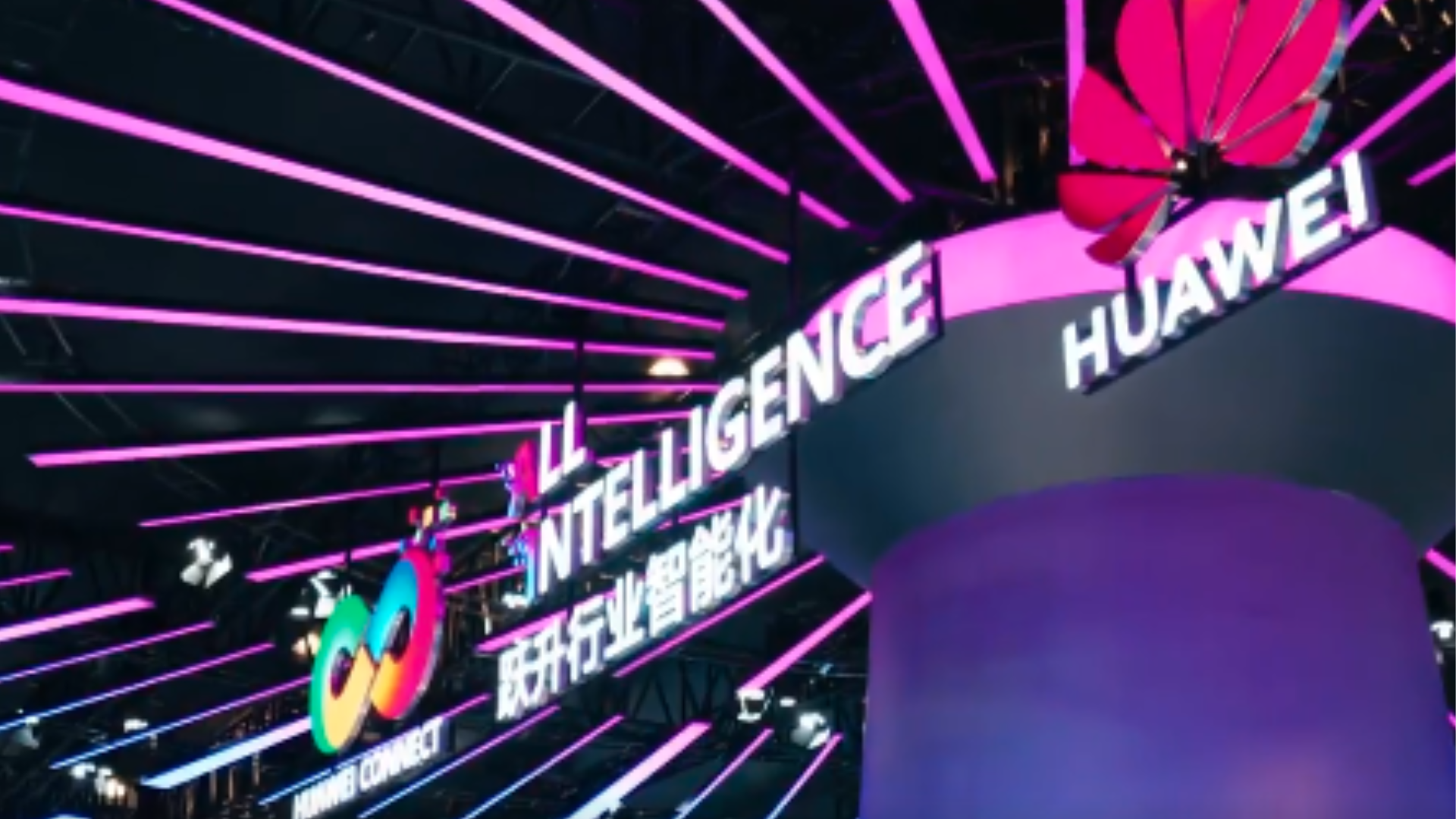
Chinese telecommunications giant Huawei was convicted Tuesday of conspiring to steal American trade secrets, defrauding banks and violating U.S. sanctions, following a yearslong criminal case involving its dealings with Iran and allegations of corporate espionage.
A federal jury in Brooklyn found Huawei guilty on 10 of the 12 criminal charges it faced, including bank fraud, wire fraud, sanctions violations and conspiracy to steal trade secrets.
However, the jury acquitted Huawei of racketeering conspiracy, a charge prosecutors used to allege that the company operated as a criminal enterprise, and conspiracy to obstruct justice.
The verdict followed a trial lasting more than two months, during which prosecutors accused the Chinese technology company of systematically obtaining confidential technology from American competitors and misleading international banks about its operations in Iran.
The case, which began in 2018, became one of the most prominent criminal prosecutions involving a major Chinese technology company as Washington and Beijing clashed over access to advanced technology and national security concerns.
Prosecutors called more than 60 witnesses during the trial, while Huawei's defense team presented 15. Jurors reached their verdict after five days of deliberations.
U.S. District Judge Ann Donnelly is scheduled to sentence the company on September 14, 2027. The penalties Huawei could face have not yet been determined.
Huawei attorney Brian Heberlig said the company was disappointed by the convictions and expected to appeal.
He also argued that the acquittal on the racketeering charge rejected prosecutors' broader portrayal of Huawei as a company whose operations were built around criminal conduct.
The prosecution's case centered partly on allegations that Huawei obtained proprietary technology from competitors to strengthen its position in the global telecommunications industry.
Federal prosecutors presented evidence involving companies including Cisco Systems, T-Mobile, Fujitsu, Quintel and semiconductor technology developer CNEX.
Among the allegations was that Huawei copied source code used in Cisco networking equipment and improperly obtained antenna technology developed by Quintel.
Prosecutors also alleged that Huawei hired a professor to obtain access to a circuit board developed by CNEX.
Jurors watched a video that prosecutors said showed a Huawei employee removing part of a T-Mobile testing robot and placing it in a backpack.
Another allegation involved a Huawei engineer entering a Fujitsu exhibition booth at a trade show to photograph equipment.
The government argued that these incidents demonstrated a broader effort to obtain competitors' technology through improper means.
Huawei disputed that characterization.
During closing arguments, the company's defense team maintained that prosecutors had combined unrelated incidents to support allegations of a wider corporate conspiracy.
Heberlig argued that Huawei's commercial success resulted from investment in research, technological development and competition rather than a systematic effort to steal intellectual property.
The company also maintained that it had taken action against employees involved in misconduct.
The second major element of the case involved Huawei's relationship with Skycom, a company that conducted business in Iran.
Prosecutors alleged that Huawei concealed the extent of its relationship with Skycom and misled financial institutions about transactions involving Iran.
The government argued that those representations exposed international banks to transactions that could violate U.S. sanctions.
The banks named in the original allegations included HSBC, Standard Chartered and BNP Paribas.
Huawei maintained that the banks understood its Iranian business activities and had competed to provide financial services to the company.
The investigation previously triggered an international diplomatic dispute when Canadian authorities arrested Huawei Chief Financial Officer Meng Wanzhou in December 2018 at the request of the United States.
Meng, the daughter of Huawei founder Ren Zhengfei, was accused of misleading HSBC about the company's dealings in Iran.
She fought extradition to the United States for nearly three years before entering a deferred prosecution agreement with American authorities in 2021.
Under the agreement, Meng acknowledged making misleading statements about Huawei's operations in Iran. She subsequently returned to China, and the criminal charges against her were dismissed.
Meng did not testify during Huawei's trial, although an HSBC banker who attended a meeting with her in 2013 appeared as a witness.
The criminal case against Huawei continued separately, eventually reaching trial this year.
The verdict comes as Washington and Beijing remain engaged in disputes over semiconductor technology, export restrictions and national security.
Huawei was placed on a U.S. trade blacklist in 2019, restricting its access to American technology.
The company has nevertheless continued operating internationally and expanded into semiconductor development and artificial intelligence infrastructure.
Its activities have become increasingly important to China's efforts to develop domestic alternatives to advanced technologies affected by U.S. export restrictions.
Chinese officials have previously accused Washington of using national security concerns to unfairly target Chinese companies, the Associated Press reported.
In a statement following the verdict, Huawei welcomed its acquittal on the racketeering conspiracy charge and rejected the remaining allegations.
The company said the trade-secret disputes cited by prosecutors had been resolved as civil matters over the preceding two decades and maintained that its success reflected investments in research and development.
Huawei also said it would review the verdicts and take legal action to defend its interests.
Tuesday's convictions establish criminal liability on 10 counts, although the acquittals mean jurors rejected two elements of the prosecution's case.
The company is expected to challenge the convictions, while the court will determine its sentence in September 2027.
© Copyright IBTimes 2026. All rights reserved.