

Iran Has Set 6 New Conditions. An End To Middle East War Is Drifting To Dire Straits.
Tehran says reopening the Strait of Hormuz would depend on the US fully accepting Iran's conditions.

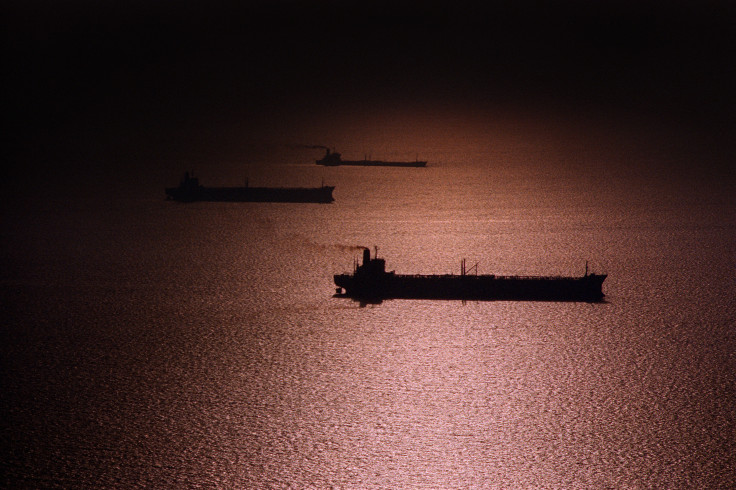
Iran has put forth fresh conditions to open the contentious Strait of Hormuz posing another hurdle to bring back warring parties to the negotiating table.
The development came as backroom talks to restart negotiations between Iran and the US appeared to make slight progress.
Iran's powerful Iran's Islamic Revolutionary Guard Corps (IRGC) has said a probable reopening of the Strait of Hormuz should not be linked to a deal with Oman.
The IRGC has also said the opening the Strait of Hormuz, through which a fifth of the world's energy cargoes were shipped before the conflict began, would depend on the US "fully accepting Iran's conditions".
The Supreme National Security Council's secretary, Mohammad Bagher Zolghadr, later sought an end to the US naval blockade of Iranian ports and compensation from Washington, further making it a difficult proposition for backroom negotiations to progress.
Zolqadr has set out six conditions for the reopening of the Strait of Hormuz, the Tehran Times reported on Saturday.
He wanted the US to end threats and insults against Iran, "including any threats to the country's national and religious sanctities." A permanent end to the "war and aggression against Iran and its allies in Lebanon, Palestine, Yemen and Iraq" is another key demand.
Apart from lifting the Naval blockade enforced by the US, Iran has also sought a withdrawal of the US naval and air forces from Iran's neighborhood. A full compensation package "for damages caused by two wars of aggression and imposition," lifting of "unjust and illegal" sanctions and unconditional release of Iranian assets "that were blocked and stolen" completed the terms set by Iran.
The attack on commercial vessels also continues unabated. The United Arab Emirates has flayed an attack against a tanker of the Abu Dhabi National Oil Company (ADNOC) in the Strait of Hormuz. The UAE expressed its "strong condemnation of the Iranian aggression."
Meanwhile, a defense pact between Saudi Arabia, Pakistan and Turkey has also elicited international attention amid the conflict.
The reported pact, dubbed 'Islamic NATO' by media, was not aimed at Iran, Turkish Foreign Minister Hakan Fidan clarified. The tripartite pact reportedly recognises any attack on member nations as an attack on all. Saudi Arabia had been concerned about attacks on its oil installations reportedly by Iran-backed Houthi rebels.
The Turkish foreign minister's clarification, a day after the defense agreement was signed in Mecca, is aimed at assuaging the concerns of Iran over the pact.
Saudi's de facto ruler Prince Mohammed bin Salman had reportedly prompted US President Donald Trump to halt planned strikes on Iran last month.
© Copyright IBTimes 2026. All rights reserved.