Marco Rubio Says Iran Is ‘Not Ready’ To Make a Deal, Threatens With Further Escalation ‘Every Night’
Rubio also addressed the Houthi's attacks against Saudi tankers, saying he hopes "that they will stop."


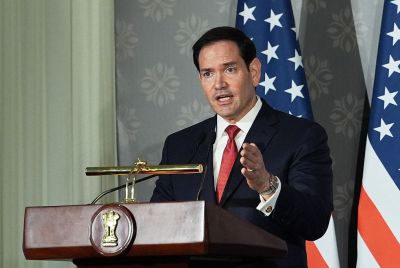
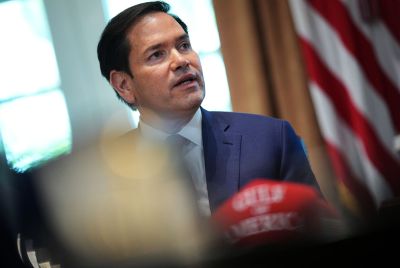
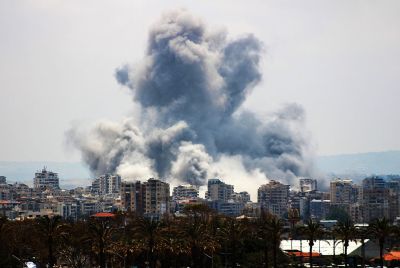
Secretary of State Marco Rubio said strikes against Iran will continue to escalate until Tehran is ready to make a deal "they are willing to live by."
Speaking to press on Thursday, Rubio said Tehran is not ready to make a deal, or "at least not one they are willing to live by."
"They are going to continue to pay a price and every night the price gets higher and higher and higher," he added.
Rubio was also asked about the strikes from the Houthis in Yemen against tankers carrying Saudi oil on Thursday, which led oil prices to soar further.
"I hope that they will stop. They shouldn't really do that. They got suckered into this by the Iranians," he said.
They are the first such strikes in the key waterway, which the group is now seeking to control as the war in Iran continues to escalate.
Tehran has vowed to manage traffic through the Strait of Hormuz as well and has been targeting vessels seeking to make it through without coordinating with its forces.
Oil jumped following the news. Brent crude, the international benchmark, climbed more than 5% and stood just below $100 per barrel on Thursday morning, while West Texas Intermediate, the U.S. benchmark, climbed about 4.5% and stood above $91 per barrel.
Reuters detailed on Wednesday that seven vessels heading to Asia had already reversed course since the announcement earlier this week. The group, which operates in Yemen, said on Monday that the decision is based on the "equation of 'an eye for an eye'" and will "respond to all escalation with all escalation, thus solidifying this equation."
It went on to threaten Riyadh further, saying it is ready "for all options, and any foolish act committed by the reckless Saudi enemy through all escalation will be met with a comprehensive and decisive escalation by Allah's will and power."
CNBC noted that Saudi Arabia has been diverting millions of barrels of oil per day from the Strait of Hormuz to the Red Sea as a result of the war. The Houthis preventing Riyadh from doing so further exacerbates the disruption taking place in oil markets.
Traffic has plummeted further in the Strait of Hormuz. Citing data from Lloyd's List Intelligence, the outlet detailed that only 53 vessels crossed the key waterway in the week through July 20, a 66% drop compared to the previous week.
Data from Kpler also shows that traffic dropped right after hostilities began again, with Iran striking vessels not going through the route approved by Tehran. Daily crossings had averaged more than 20 before July 15 but have dropped to the single digits last week.
© Copyright IBTimes 2026. All rights reserved.
- Recommended For You