

OpenAI Launches ChatGPT Wallet. AI Agents Can Now Shop And Make Purchases For Users.
The new payment feature allows ChatGPT's autonomous assistants to complete online purchases using linked credit cards, with Visa, Mastercard and American Express supporting the rollout.

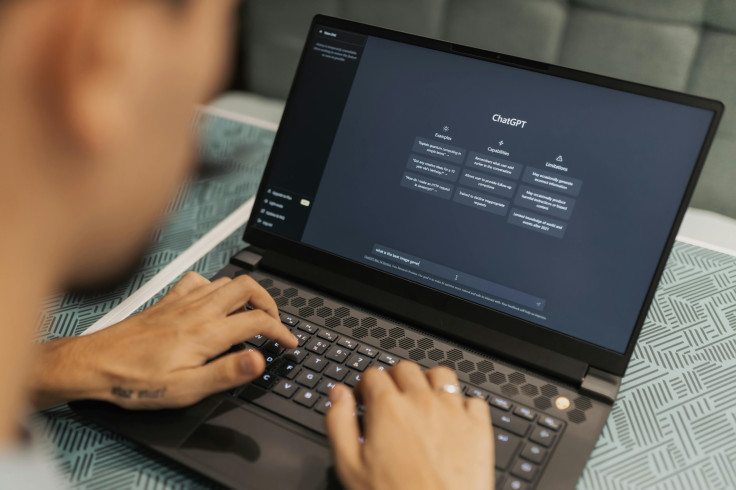
OpenAI on Friday launched ChatGPT Wallet, a payment feature that allows its autonomous AI agents, known as "dots," to make purchases on behalf of users, taking the company's push into online shopping a step further.
Developed in partnership with American Express, Mastercard and Visa, the feature initially allows ChatGPT Pro subscribers aged 18 and older in the United States to link eligible credit cards and authorize their AI agents to complete purchases. Users can ask their assistants to find products, compare options and proceed to checkout after approving the transaction.
The launch moves ChatGPT beyond product recommendations and into handling payments, as technology companies increasingly develop AI agents capable of managing everyday tasks without requiring users to navigate websites themselves.
OpenAI introduced its dots agents in September as personal assistants that can work across applications and websites, handling tasks such as scheduling appointments, researching products and organizing travel. The new Wallet feature adds the ability to pay merchants directly using a customer's existing credit card.
Under the system, users add their card information through a secure form. When an agent reaches checkout, ChatGPT Wallet displays purchase details, including the merchant, selected items, total cost and payment method.
Users must approve the transaction and complete biometric verification, such as Face ID or Touch ID, before the agent proceeds with the purchase.
According to OpenAI's official Wallet documentation, the AI agent does not receive the customer's actual credit card details. Instead, the payment system generates a tokenized virtual card credential linked to the user's existing account.
The virtual credential can contain a substitute card number, expiration date and security code, allowing the transaction to proceed without exposing the original card number to the agent or merchant.
Customers continue to receive the rewards and protections associated with their credit cards, including applicable purchase benefits and dispute rights.
Chaya Nayak, OpenAI's product lead for monetization and payments, told CNBC that the company's immediate priority is building relationships with merchants and payment networks rather than generating transaction revenue.
"Our goal here is to really focus on merchants and our network partners and start building out a really great foundation that's safe and easy to use," Nayak said.
OpenAI is not taking a commission on purchases made through ChatGPT Wallet during the initial rollout, although the service could eventually introduce another revenue stream for the company.
The launch follows several attempts by OpenAI to bring shopping capabilities into ChatGPT. In September 2025, the company introduced Instant Checkout, which allowed users to purchase selected products directly through the chatbot. OpenAI subsequently changed its approach, rolling out a revamped shopping experience in March 2026 that focused on helping customers find and compare products.
ChatGPT Wallet builds on those earlier efforts by allowing agents to move from product discovery to completing checkout on merchant websites.
Nayak told CNBC that the company views payments as the next step in helping users move from identifying something they want to buy to completing the transaction.
The initial rollout is limited to eligible U.S. Pro subscribers with supported U.S.-issued cards, including certain American Express, Chase, Mastercard and Visa cards. Wallet operates within dots conversations and is not currently available through ordinary ChatGPT chats or ChatGPT Work.
OpenAI has also made biometric verification mandatory for purchase approvals on supported devices.
Luke Gebb, American Express's executive vice president and global head of innovation, told CNBC that restricting the initial release would allow the companies to monitor how the system performs before expanding access.
The company already has a substantial potential audience for the feature. ChatGPT had more than 1.2 billion weekly active users and nearly 100 million paying users at the end of the third quarter, according to figures reported by CNBC.
However, access to ChatGPT does not automatically make a user eligible for Wallet, and OpenAI has not announced a timeline for expanding the feature to lower-priced subscriptions or markets outside the United States.
The move also comes as online retailers and other businesses decide how much access to grant third-party AI agents.
United Airlines said Wednesday that it would block AI agents from accessing its systems to book airline tickets, while Amazon has sought to prevent outside agents from making purchases on its shopping platform.
Amazon obtained a court order in March restricting Perplexity's AI shopping agent from accessing its services, reflecting a broader dispute over whether independent AI assistants should be allowed to navigate and transact on commercial websites.
OpenAI acknowledged that commerce conducted through AI agents remains in its early stages and published guidance Friday to help merchants make their websites accessible to automated assistants.
The company said it is working with payment networks and businesses to establish the infrastructure needed to support transactions across different websites.
The introduction of ChatGPT Wallet also raises practical questions about what happens when an automated purchase encounters a problem.
Under OpenAI's Wallet terms, the merchant remains the seller and is responsible for fulfilling orders, handling returns and addressing product complaints.
Customers must contact the merchant over canceled orders, refunds or delivery problems, while unauthorized card charges and billing disputes should be reported to the card issuer.
OpenAI also warns that its agents can make mistakes and that users should carefully review transaction details before authorizing purchases.
The company's privacy notice states that full payment card details are collected by its payment service providers, while OpenAI receives tokenized credentials and limited card information needed to operate the service.
Wallet does not guarantee that agents will be able to complete transactions at every online store, and merchants and card issuers retain the ability to reject purchases.
© Copyright IBTimes 2026. All rights reserved.