

Pentagon Holds Up Approval For 60 Patriot Missiles For Ukraine. Kyiv Fears US Pressure Over Peace Deal: Report
Trump has also rejected Zelenskyy's request for a winter package of 300 interceptors, citing limited global supplies.

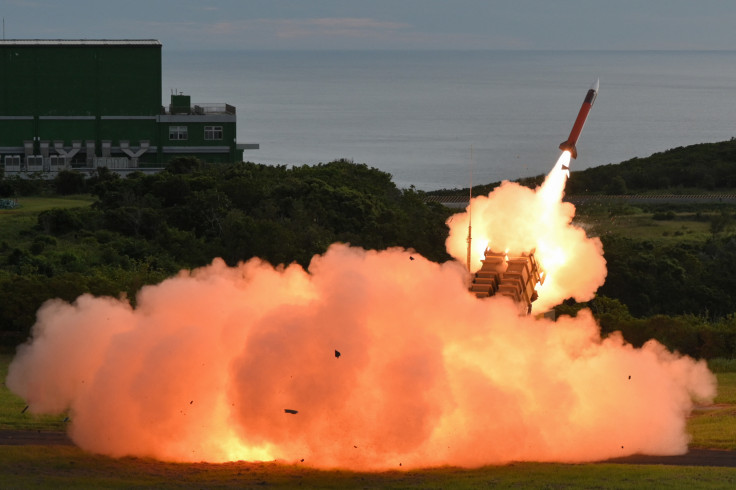
The Pentagon has yet to authorize the transfer of approximately 60 Patriot air defense missiles previously allocated to Ukraine, raising concerns among Ukrainian officials that President Donald Trump's administration could be using military assistance as leverage to secure a peace agreement with Russia.
Defense Secretary Pete Hegseth has held up approval for the shipments, which include missiles already held in European military inventories and financed by Ukraine's Western allies, the Financial Times reported Tuesday, citing two Ukrainian officials and another person familiar with the matter.
Washington's authorization is required even when European countries seek to transfer American-made Patriot missiles from their own inventories.
Ukrainian officials fear the delays could be linked to the Trump administration's efforts to secure a peace agreement before Democrats take control of Congress in January.
Washington has not publicly confirmed any connection between the outstanding weapons deliveries and diplomatic negotiations.
"There has been no change to Department of War policy regarding support to Ukraine," a Pentagon spokesperson told the Financial Times, declining to answer further questions about the shipments.
The outstanding allocation includes 40 interceptors scheduled for delivery between September and December, along with approximately 20 additional missiles awaiting authorization. None of the shipments has received final approval, the newspaper reported.
Ukrainian President Volodymyr Zelenskyy renewed his appeal for Washington to authorize the deliveries Monday, warning that Ukrainian intelligence indicated Russia was preparing further attacks.
The Ukrainian leader has repeatedly sought additional air defense supplies to protect cities and critical infrastructure as the country prepares for another winter of war.
Zelenskyy previously requested a winter package of 300 Patriot interceptors from Trump, but the U.S. president turned down the request, citing limited global supplies.
The U.S. war with Iran has contributed to a global shortage of Patriot interceptors, the Financial Times reported.
A separate agreement allowing Ukraine to manufacture Patriot interceptors domestically is also awaiting final clearance.
Although Hegseth has approved the arrangement, the agreement has been referred to Michael Duffey, the Pentagon's undersecretary for acquisition, for additional review. The reason for that referral remains unclear.
Trump publicly expressed support for allowing Ukraine to manufacture the American-designed weapons during a meeting with Zelenskyy in July.
The Pentagon said it was continuing efforts to expand industrial cooperation with European partners and Ukraine on Patriot air and missile defense systems.
Zelenskyy has acknowledged that establishing domestic manufacturing would take years but argued that granting approval now would allow preparations to begin.
Speaking at a meeting of the Ukraine Defense Contact Group last week, Zelenskyy proposed that partner countries transfer air defense missiles from their existing inventories to Ukraine and receive replacements once newly ordered weapons became available.
He also warned that continued Russian attacks were weakening Kyiv's position in diplomatic negotiations.
The Pentagon's handling of military assistance to Ukraine has also drawn scrutiny from U.S. lawmakers over a separate $400 million security assistance package approved by Congress for fiscal year 2026.
In a letter to Hegseth and Office of Management and Budget Director Russell Vought, lawmakers criticized the administration for waiting until the final weeks of the fiscal year to formally commit most of the funding.
They said the Pentagon's spending plan did not anticipate completing deliveries under the package until fiscal year 2029 and raised concerns that the assistance reportedly excluded Patriot interceptors.
The lawmakers requested a written explanation by Nov. 30, along with a detailed delivery schedule and an explanation of what steps the administration would take to accelerate military assistance to Ukraine.
© Copyright IBTimes 2026. All rights reserved.