

Tensions Between The U.S. And Iran Are Escalating Again. Washington Is Moving More Patriot Systems to the Middle East.
Two Patriot missile batteries were deployed to Saudi Arabia and Qatar to protect a natural gas and oil facilities.

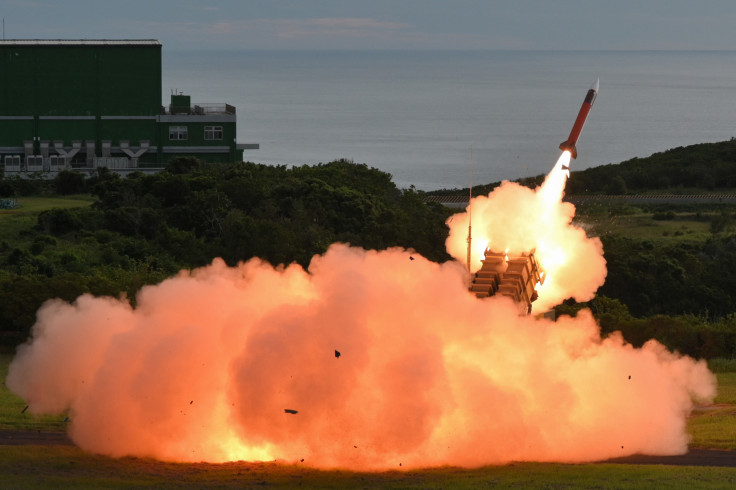
The U.S. military has deployed additional Patriot missile batteries to Saudi Arabia and Qatar to protect critical oil and natural gas infrastructure as Washington prepares for the possibility of renewed large-scale military operations against Iran, according to a new report.
Two additional Patriot batteries were sent to the Gulf in recent weeks, Axios detailed on Friday, citing two U.S. officials and a regional source. One was deployed to Saudi Arabia to defend a key oil facility, while the other was sent to Qatar to protect a natural gas facility.
President Donald Trump said Thursday that he is considering renewed military action against Iran as diplomatic efforts remain stalled. Trump also rejected Iran's latest peace proposal and raised the prospect of resuming bombing operations. Saudi Arabia and Qatar have previously warned Washington about precisely that risk.
Trump on Iran:
— Clash Report (@clashreport) October 1, 2026
Now I have to make a decision: either Iran signs the deal, or it won’t exist any longer. pic.twitter.com/1QN1ChHqLw
In early August, when Trump was considering a major attack that could have included Iranian energy infrastructure, Saudi and Qatari leaders urged him not to proceed, according to the outlet.
They were concerned Tehran could retaliate by targeting their own oil and gas installations. U.S. officials told the outlet those warnings contributed to Trump's decision at the time to pursue greater economic pressure instead of another major military offensive.
Protecting Saudi infrastructure could also have operational importance for Washington. The U.S. would need access to Saudi airspace if major combat operations resume, while Riyadh would be less likely to grant permission without greater assurances that its energy facilities can be defended.
The PAC-3 Missile Segment Enhancement interceptor is designed to counter threats including tactical ballistic missiles, cruise missiles, aircraft and drones. The Army awarded Lockheed Martin a $4.7 billion contract action in April to accelerate PAC-3 MSE production.
The stakes are especially high in Qatar, one of the world's most important suppliers of liquefied natural gas. Qatar was the world's second-largest LNG exporter in 2025, shipping about 10.6 billion cubic feet per day, according to the U.S. Energy Information Administration.
The Patriot deployments are part of a much broader American military buildup in the Middle East. The USS Theodore Roosevelt carrier strike group has departed San Diego for the region, where it could join the USS George H.W. Bush and USS George Washington.
If all three remain simultaneously, the U.S. could have three aircraft carrier strike groups in the Middle East, although officials have said it remains unclear whether the Roosevelt will replace one of the carriers already there.
The Makin Island Amphibious Ready Group is also heading toward the region carrying thousands of Marines from the 13th Marine Expeditionary Unit. The Financial Times reported that the broader deployment involves roughly 9,000 additional troops and seven warships.
© Copyright IBTimes 2026. All rights reserved.