

Nearly Half of Americans Say They’ve Sold Something or Expect to do it To Help Pay for the Holidays
Millennials and Gen Z adults were most likely to consider selling items, while 62% of respondents planned to buy at least one secondhand item during the holidays.

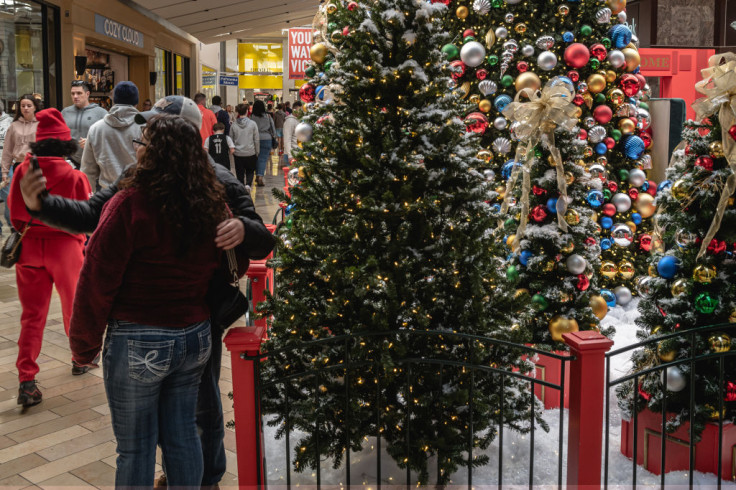
Over half of U.S. adults said they had sold or expected to sell clothing, accessories or other belongings to help cover holiday purchases, according to a survey commissioned by online resale platform ThredUp, Millennials were the most likely of the generations reported to say so, at 69%, followed by Gen Z adults at 66%.
When the survey was conducted, 7% of respondents said they had already sold something to help pay for the season. Another 16% said they definitely planned to sell, and 30% said they probably would.
Meanwhile, 41% had no plans to sell, and 6% were unsure. The survey gives a snapshot of what people had done or expected to do before the holidays, with the largest share of prospective sellers still in the "probably" camp.
The generational divide was wide as among Gen X respondents, 53% had sold something or expected to do so, in line with the overall figure. Among baby boomers, the share was 27%, less than half the rate among millennials. GlobalData surveyed 2,123 U.S. adults from September 4 to 18 for ThredUp's 2026 Holiday Resale Report.
The prospect of selling comes as respondents expect a busier holiday calendar. They anticipated an average of 10 social occasions in November and December, compared with about 4.6 in a typical two-month stretch.
Family gatherings or holiday meals were the most common type of occasion respondents reported, at 78%, followed by parties or get-togethers with friends at 41%. About one-third said they wanted something new to wear for the holidays, rising to 49% among Gen Z adults.
As for spending, 42% of respondents expected to spend more than they did last year, while an equal share expected to spend about the same. Sixteen percent expected to spend less. Looking back at the 2025 season, 74% recalled making at least one trade-off.
Thirty-eight percent passed on a purchase for themselves, 37% spent less on a gift than they had wanted to, and 35% wore an outfit again instead of choosing something different. Eighteen percent bought gifts for fewer people than they had hoped to.
The survey also found a sizable audience for secondhand goods. Sixty-two percent of respondents planned to buy at least one previously owned item during the holidays, whether for themselves, someone else, or their home.
Millennials were the most likely to say they planned to buy secondhand, at 78%, followed by Gen Z at 70%, Gen X at 61% and baby boomers at 41%. Among those planning to shop secondhand, respondents expected to direct an average of 37% of their gift budget to used items. For millennials in that group, the figure was 45%.
Among prospective secondhand buyers, 58% said they could spend less than they would on a new item and 41% said buying used let them afford better quality. Across all respondents, 30% expected secondhand shopping to help them buy gifts for more people, and 29% expected it to help them get a gift they preferred.
Overall, 72% said they were open to receiving a secondhand gift, while 71% said they were open to giving one themselves. Asked to choose between a vintage or hard-to-find item in excellent condition and a new, mass-produced version, 55% chose the secondhand gift. In a separate hypothetical, 62% said they would feel the same about a gift they already loved if they learned it was secondhand. Another 22% said they would like it more.
© Copyright IBTimes 2026. All rights reserved.