The U.S. Military Has Not Managed To Make Clear Breakthroughs In Iran. It Is Reportedly Turning To Analysts For Ideas
A senior official sent an email to a broad group of analysts asking for "creative and unconventional ways to pressure and punish Iran."

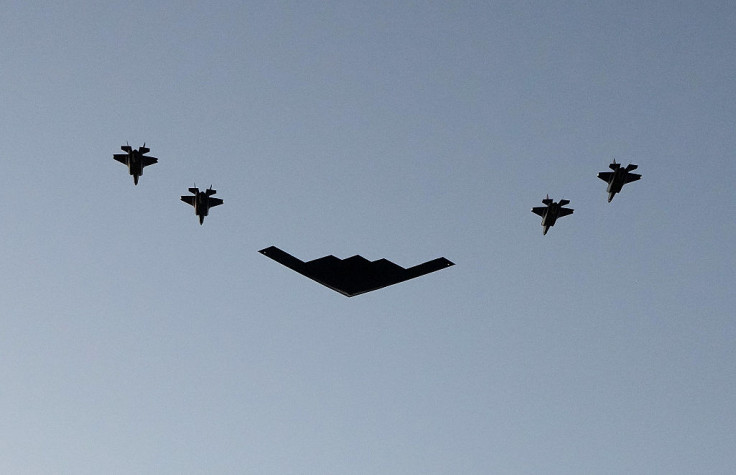
A senior military official sent an email to a broad group of analysts asking for "creative and unconventional ways to pressure and punish Iran," according to a new report.
CNN detailed that the message came from an officer in the intelligence branch of the U.S. Central Command (CENTCOM), adding that sources consulted for the piece noted that the request was uncommon.
Capt. Timothy Hawkins, a spokesperson for CENTCOM, responded by saying that CENTCOM "has a long history of thinking and working in innovative ways," adding that the force's commander, Admiral Brad Cooper, "reaches out to members of our great team, regardless of rank, to achieve the highest levels of operational performance possible."
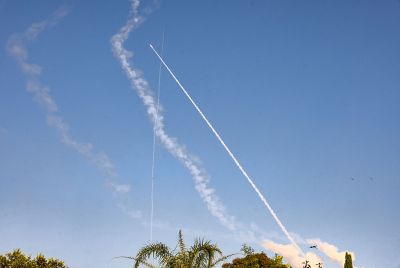
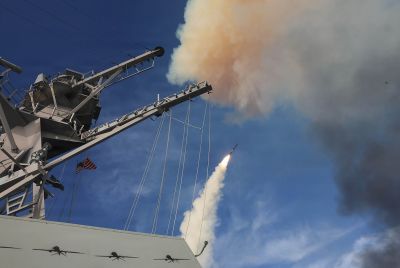
The U.S. recently halted almost two weeks of consecutive strikes against Iran after Cooper concluded there were no more goals to be achieved without escalating further.
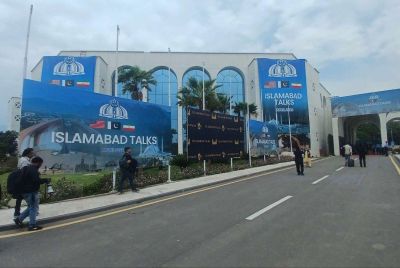
The request came before Trump said during the weekend that he had given the order to halt attacks as talks would resume to end the war.
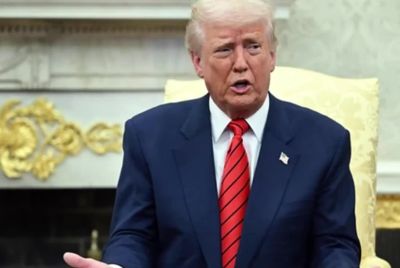
He said in a social media post on Saturday night that his administration was asked "by Iran, and other Middle Eastern Countries, to hold off any attack in that the perimeters of a deal has been agreed to," including the "Total OPENING OF THE HORMUZ STRAIT, and an end to Iran's nuclear threat."
"Based on this request, I have agreed, for the future benefit of the WORLD and, likewise, the survival of a successful and prosperous Iran, to cancel the attack, subject to being able to rapidly make a DEAL," Trump added in the publication.
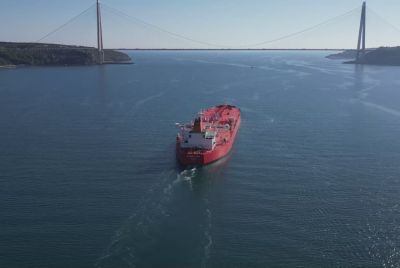
Iranian Foreign Ministry spokesperson Esmaeil Baghaei, however, has rejected the notion. He claimed that the country is only having conversations with Oman about navigation through the Strait of Hormuz in an effort to "determine, at the earliest opportunity and in consultation with Oman, a route that is naturally temporary and based on which the safety of navigation through the Strait of Hormuz can be ensured."
"This agreement (with Oman) is solely about the mechanism and future shipping route while preserving the sovereign rights of both countries and has no connection to whether the Strait of Hormuz is open or closed," he added.
U.S. strikes and the blockade of Iran's ports, however, have had economic consequences in Iran. Many are becoming increasingly visible, with widespread power outages, water shortages and disruptions to transportation and trade pushing the country deeper into crisis.
According to a report from The Washington Post, despite thousands of U.S. and Israeli airstrikes and a prolonged U.S. naval blockade, many Iranians experienced relatively limited day-to-day economic disruption for months.
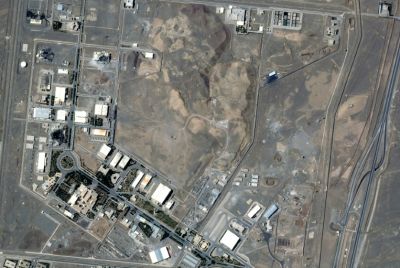
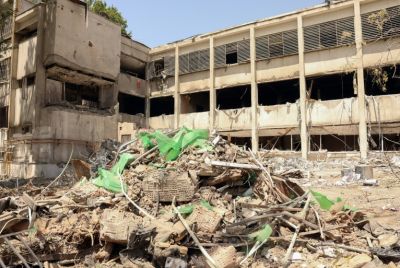
That has changed in recent weeks after the Trump administration widened its list of military targets beyond conventional defense sites to include infrastructure considered vital to the country's economy. The result has been growing shortages of electricity, fuel and water, along with mounting challenges for businesses that rely on functioning transportation and utility networks.
Analysts told The Washington Post that damaged infrastructure is slowing the movement of goods, increasing shipping costs and reducing factory and agricultural output, adding another layer of pressure to an economy already struggling under years of international sanctions.
© Copyright IBTimes 2026. All rights reserved.
- Recommended For You