The U.S. Wants More Air Taxis, Supersonic Jets. Regulators Are Moving To Speed Things Up.
The Federal Aviation Administration is advancing certification efforts for electric aircraft while updating decades-old rules governing supersonic flight.

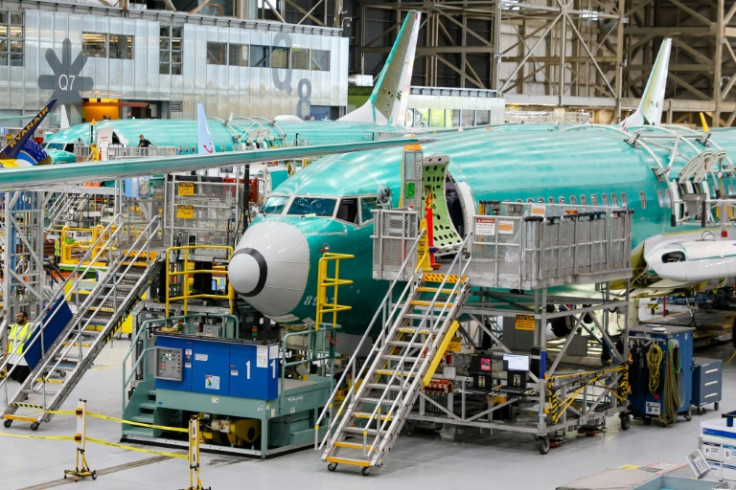
The United States is accelerating efforts to bring a new generation of aircraft into commercial service, including electric air taxis and supersonic passenger jets, as regulators work alongside manufacturers to modernize aviation rules and certification processes.
The push comes as governments around the world increase investment in aerospace technologies that carry both commercial and strategic significance. Recent conflicts in Europe and the Middle East have renewed interest in advanced aviation capabilities, while competition among the United States, China, and Europe has expanded beyond semiconductors and artificial intelligence into aerospace and space technologies.
Speaking at the Farnborough International Airshow in England, Federal Aviation Administration Deputy Administrator Chris Rocheleau said the agency is working to ensure regulations keep pace with industry developments while maintaining safety standards, according to Reuters.
"We want to make sure that we're not being too prescriptive in those standards, and that we're letting the industry drive the innovation," Rocheleau told Reuters during an interview at the event. The FAA is currently addressing issues related to certification, rulemaking, and deployment across several emerging aviation sectors, including drones and commercial space launches.
One of the agency's primary areas of focus is electric vertical takeoff and landing aircraft, commonly known as eVTOLs. The FAA established a pilot program last year involving eight partner companies operating across 26 states. Data collected through the initiative is expected to help inform certification efforts and operational requirements.
Air taxi developers have spent years attempting to commercialize aircraft capable of transporting passengers over short distances while avoiding urban traffic congestion. Companies including Archer Aviation, Joby Aviation and Beta Technologies have secured billions of dollars in funding as investors bet on a new segment of the aviation market.
Archer Aviation CEO Adam Goldstein compared the industry's rollout strategy to that of Alphabet's Waymo autonomous vehicle business, telling Reuters that companies intend to launch in selected cities and address operational challenges before expanding to additional markets.
The FAA is also moving to revise regulations surrounding supersonic passenger travel. In June, the agency proposed the first of two rules required to lift a ban on overland supersonic flights that has been in place since 1973. A second proposal addressing acceptable noise thresholds during takeoff, landing, and cruise operations is expected before both rules are finalized by mid-2027, according to Reuters.
Commercial supersonic travel largely disappeared in 2003 when the Concorde fleet operated by Air France and British Airways was retired after 27 years of service. Since then, several companies, including Boom Supersonic, have sought to develop next-generation aircraft designed to reduce noise and improve fuel efficiency.
Boom Supersonic completed the first flight of its XB-1 demonstrator earlier this year, marking a significant milestone in efforts to revive commercial supersonic travel, according to The Associated Press.
Meanwhile, the broader aerospace industry continues to experience strong demand. The Farnborough Airshow has featured announcements related to commercial aviation, defense programs, and satellite technologies as governments increase spending amid heightened geopolitical tensions, according to FlightGlobal.
Once the new supersonic regulations are finalized, aircraft manufacturers will still need to complete the certification process before entering commercial service, Rocheleau told Reuters. The agency said information gathered through ongoing pilot programs will continue to inform future regulatory decisions across the aviation industry.
© Copyright IBTimes 2026. All rights reserved.
- Recommended For You