

World Cup’s New Playbook: Prediction Markets Grab Spotlight, Sports Gambling Trails
Kalshi and rival Polymarket feasted on the sporting gala as the regulator gave the nod to launch a host of betting products.

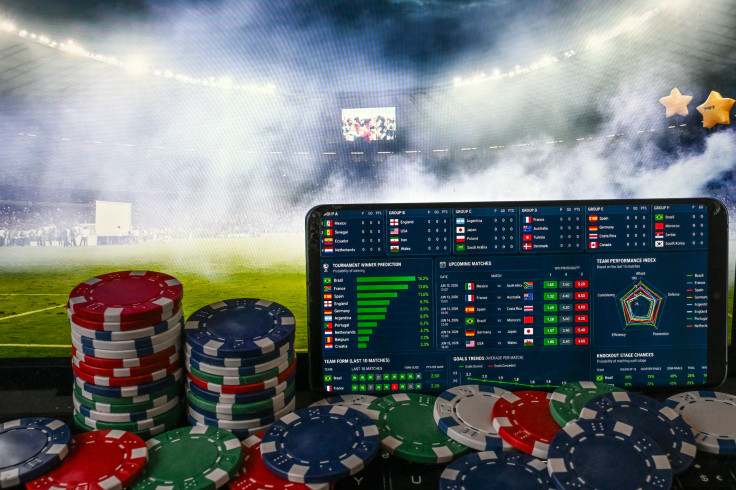
As the 2026 World Cup football draws to a close later on Sunday, it has turned the spotlight on superstars Leo Messi and Lamine Yamal as much as on prediction market trading, underscoring the threat posed by companies like Kalshi to sports-gambling industry, Bloomberg reported.
The top player, Kalshi, has broken a slew of trading records, and has almost doubled from what was thought as its peak, a week before the world's biggest spectator tournament began in June. That was during the New York Knicks' dramatic playoff run, according to the report.
Prediction-market activity was around 27% of all legal US sports-betting volume during the World Cup, a 3x surge from the 9% at the beginning of the year, according to estimates from H2 Gambling Capital, based on public data from the tournament.
Prediction markets and gambling companies calculate activity differently, and the sportsbooks have not yet released their recent internal numbers and hence these numbers may not be accurate. The report said the figures do indicate the speed at which the exchanges are gaining traction.
Kalshi reportedly had more daily users on its phone app during the World Cup than the two largest US online sports-gambling apps, DraftKings and FanDuel.
The phenomenal growth has "put feet to the fire for these traditional sportsbooks to start offering a similar service," Bernstein analyst Ian Moore told Bloomberg.
Prediction markets were not allowed to dabble in sports nearly two years ago and the gambling industry aides considered it as "fringe upstarts." They also stoked concerns about regulatory uncertainty.
Kalshi and its top rival, Polymarket, got a boost during the World Cup, as the regulator, the Commodity Futures Trading Commission, gave the nod to launch a host of betting products.
State regulators were not as friendly as the federal regulator on this count, seeking to squeeze the prediction players in court.
Federal regulators allowed event betting exchanges to serve customers from states where sports gambling is illegal. Anyone above 18 years was welcome, unlike in gambling products, which are barred to those under 21.
Kalshi and Polymarket made an all out effort to boost their prospects through aggressive marketing campaigns in sync with the round-the-clock coverage across the globe the tournament generated.
Gambling firms have dominated the advertising arena centered around major sporting events, but in World Cup, Kalshi struck a deal to make a prominent appearance on digital boards on the venues during the latter stages of the World Cup.
Both Kalshi and Polymarket have pitched themselves as entities that are not essentially gambling companies. The emphasis was that they do not benefit when customers lose, an universal concern of sports betting enthusiasts.
These players also threw in the differentiator by offering prediction linked products on important events like elections and the weather, a domain where sportsbooks do not tread.
The tournament offered prediction markets to exploit the immense fanbase and financial potential of sports, which has emerged as the single largest driving force behind the growth of the nascent industry, according to the Bloomberg report.
© Copyright IBTimes 2026. All rights reserved.