NASA has released stunning night images captured from the vantage point of the International Space Station (ISS).
The package features views of the Americas and Europe. Recorded between Jan. 29 and Feb. 3, they depict cities ablaze with spectacular light, from the electric glow of hundreds of locations to a stunning aurora borealis flickering on the northern horizon.
Photographs of Mexico, the entire coast of the Gulf of Mexico, and parts of the U.S. East Coast are in the package, which includes images of Brownsville, Texas, the Great Lakes, and the St. Lawrence Seaway.
Captured by a still camera aboard the ISS orbiting 240 miles above the Earth, the pictures will soon be available via NASA Television's video file.
Have a look at the spectacular night visuals here:
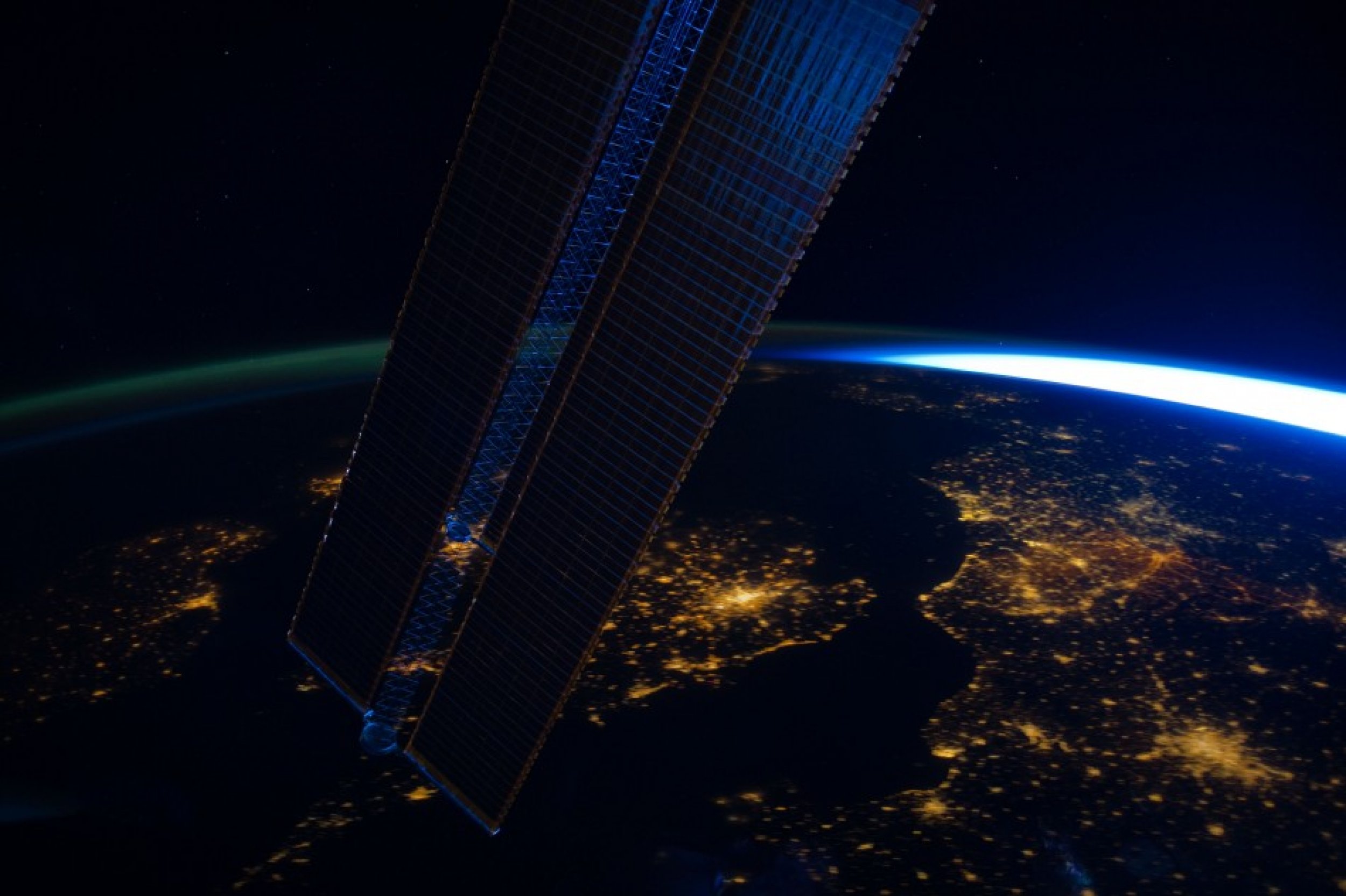
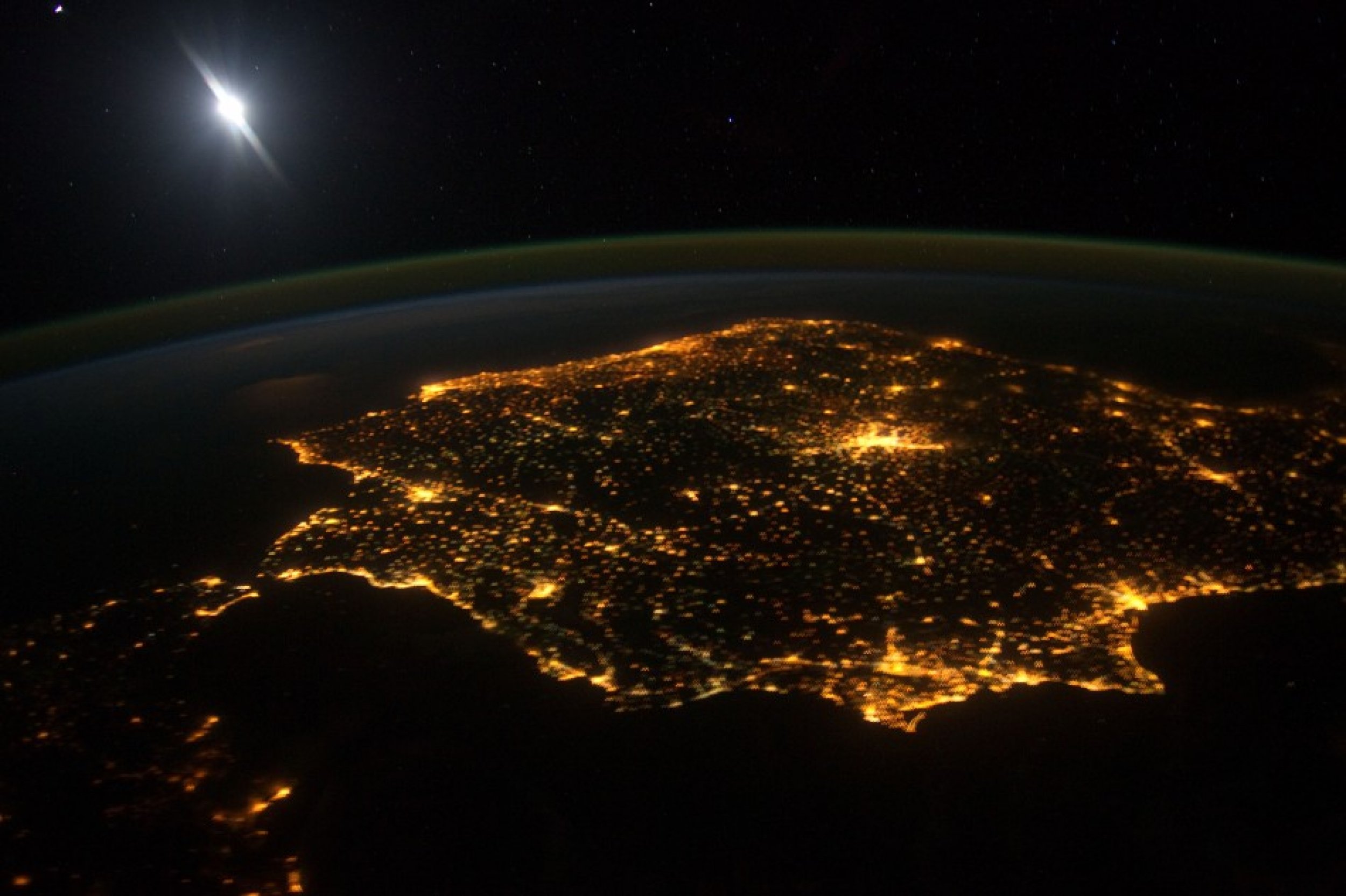
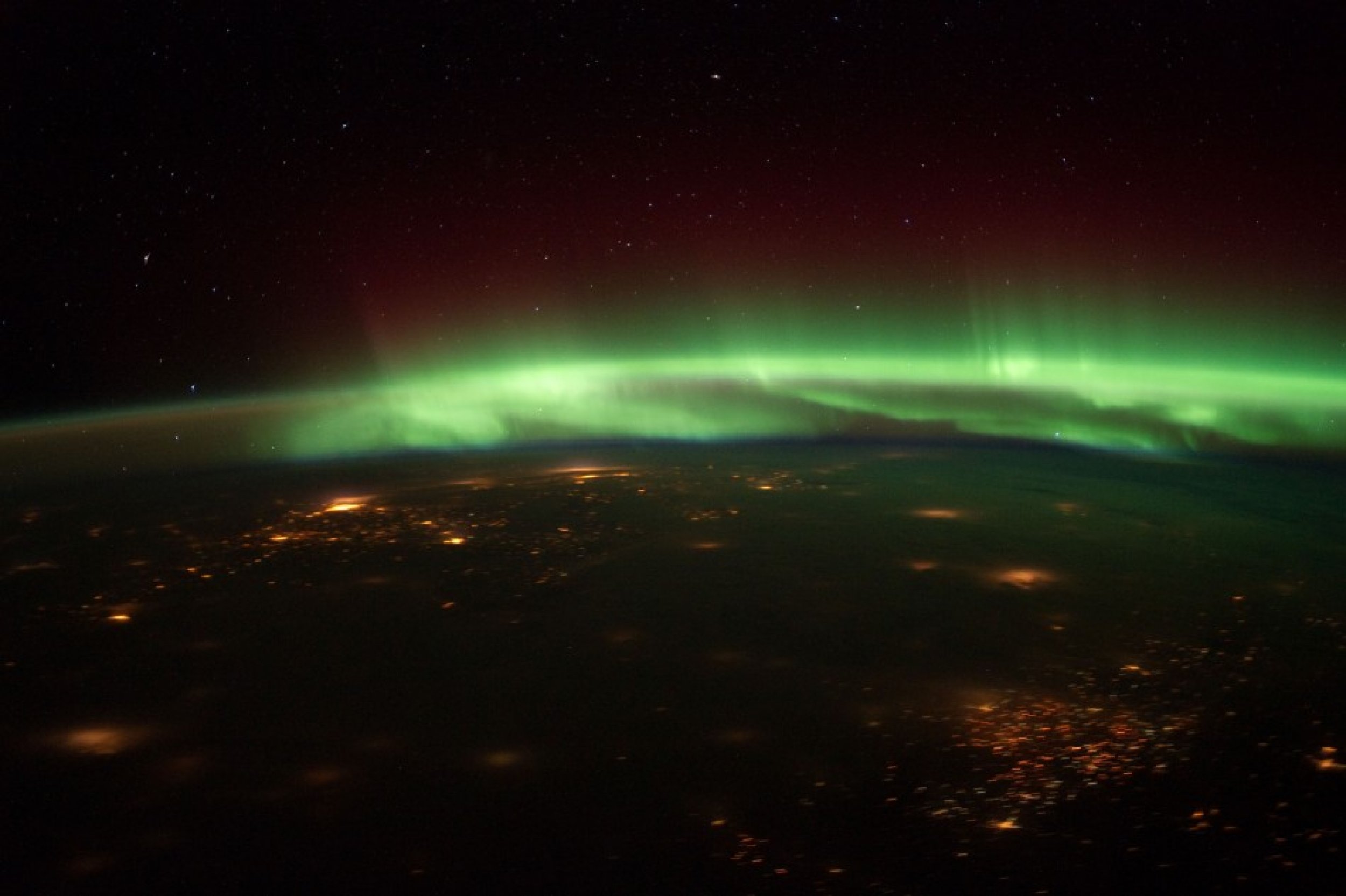
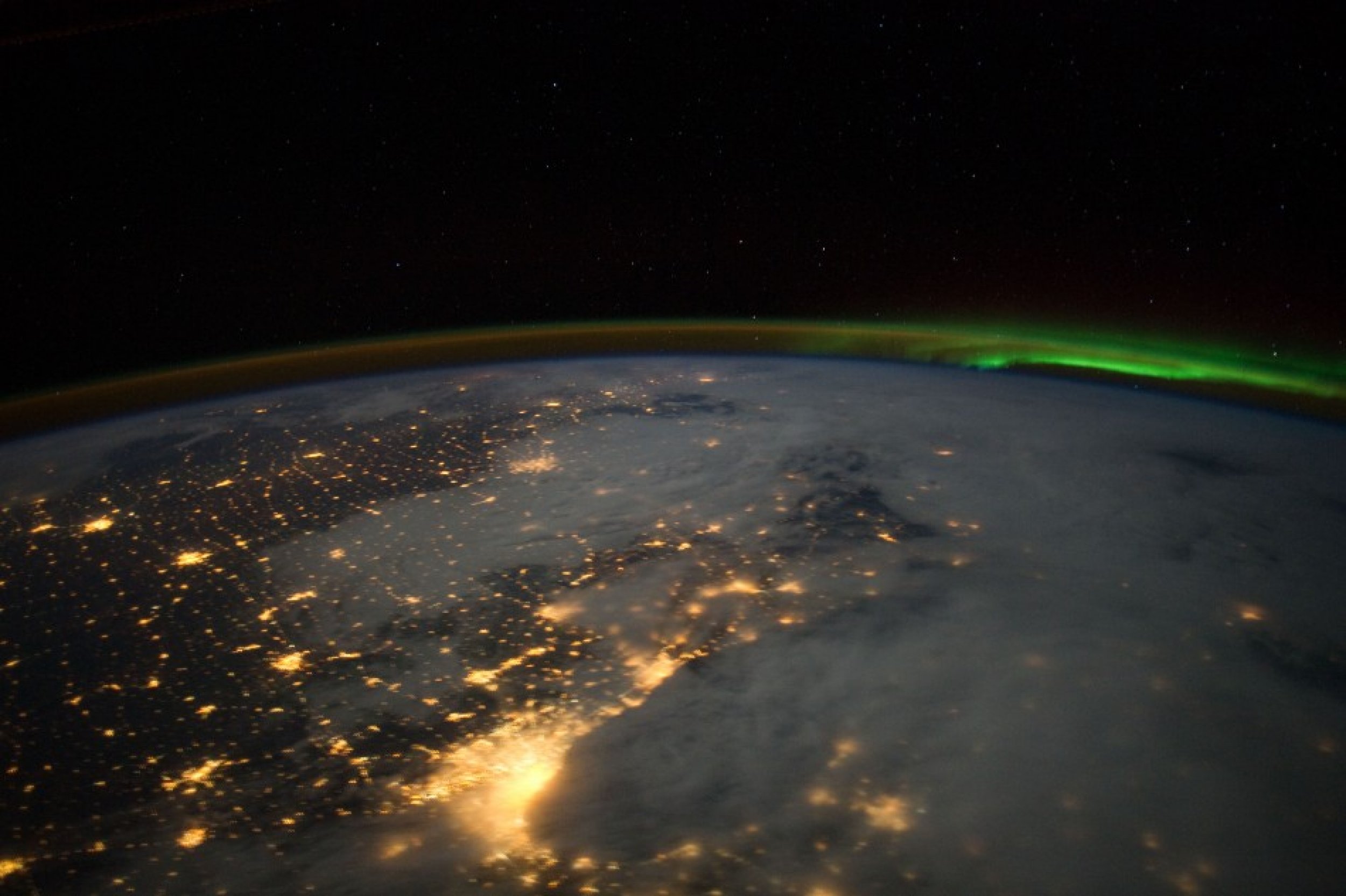
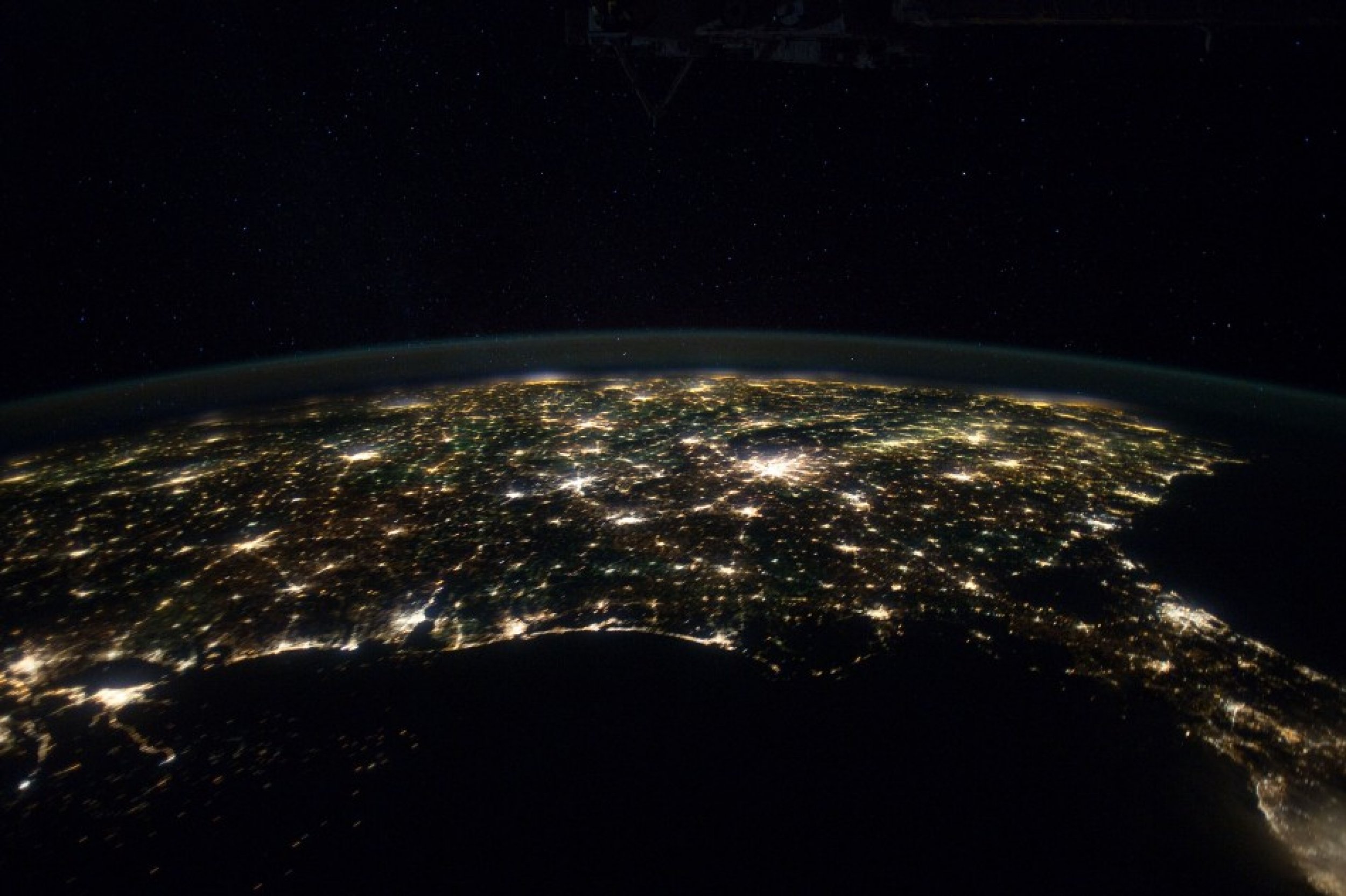
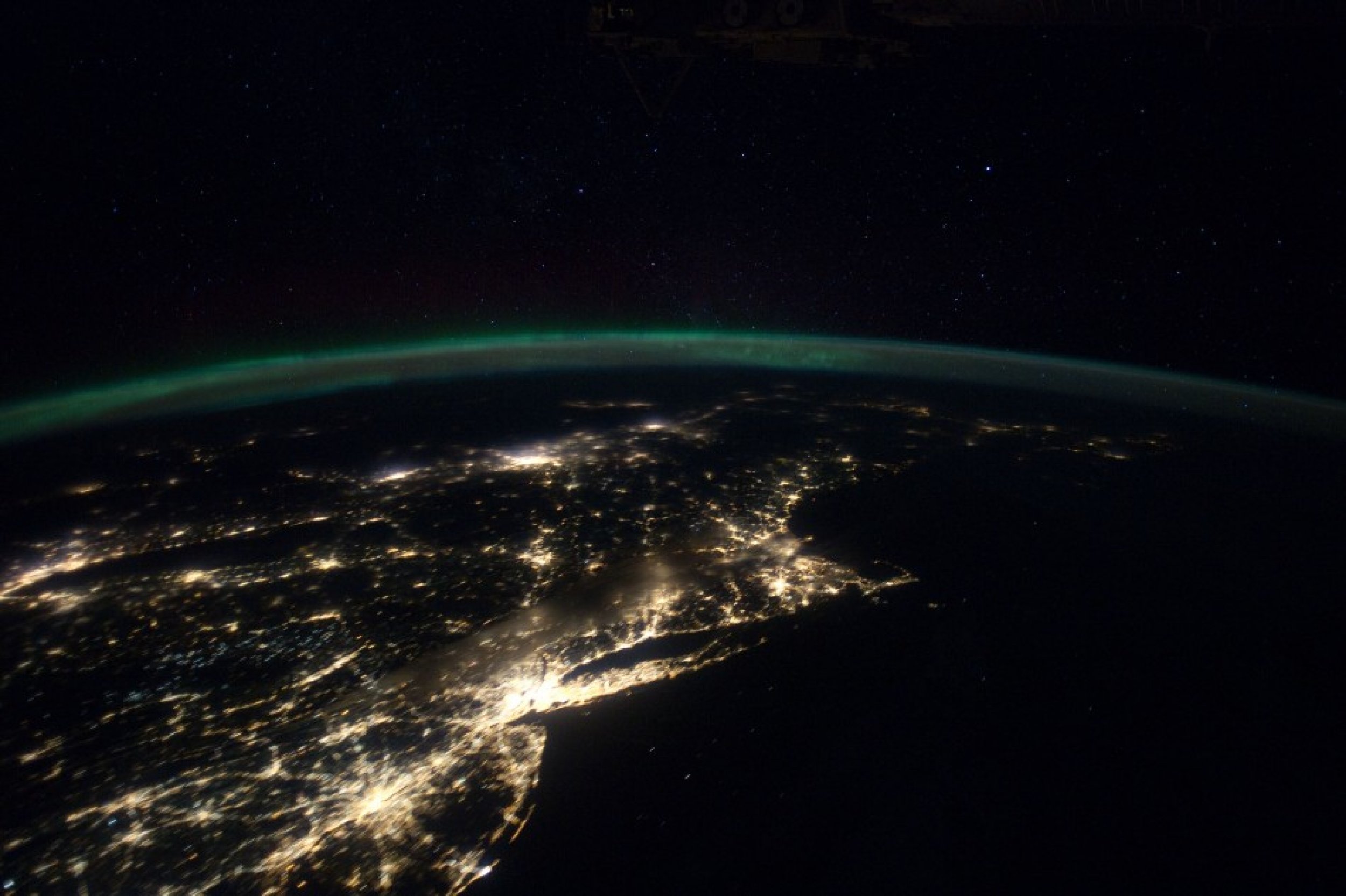
A number of European nations appear in this nighttime image photographed from the International Space Station. The scene, captured by one of the Expedition 30 crew members, shows the British Isles (left, partially obstructed by one of the space station's solar array panels) with London just right of bottom center; the English Channel, which is dark; Paris (lower right corner); and the Netherlands (right side). The greenish airglow is fairly uniform and minor until it transitions to daybreak on the right. (ISS030-E-064161 http://eol.jsc.nasa.gov/)Image courtesy of the Image ScThe city lights of Madrid (right of center) stand out in this photograph from the International Space Station. Recorded by one of the Expedition 30 crew members, the view shows almost the entire Iberian Peninsula (both Spain and Portugal) with the Strait of Gibraltar and Morocco appearing at lower left. What is thought to be a blur of the moon appears in upper left corner. The faint gold or brownish line of airglow -- caused by ultraviolet radiation exciting the gas molecules in the upper atmosphere -- parallels the horizon or Earth limb. (ISS030-E-060478 http://eol.jsc.nasa.gov/)Image courtesy of the Image ScAurora Borealis over the U.S. MidwestImage courtesy of the Image ScThis nighttime image, photographed by one of the members of the Expedition 30 crew in the International Space Station, features the greater Chicago metropolitan area strung along the southwestern shore of Lake Michigan. The region is partially covered by clouds, probably low-hanging, or even fog. Meteorologists say there is a fine line between low thin clouds and fog. Fog is uncommon in the Great Lakes region this time of the year (because it is usually too windy), but this has been an exceptionally mild winter. The faint gold line of airglow -- caused by ultraviolet radiation exciting the gas molecules in the upper atmosphere -- parallels the horizon or Earth limb. Minor auroral activity (borealis) is visible at upper right. (ISS030-E-062540 http://eol.jsc.nasa.gov/)Image courtesy of the Image ScThis northward-looking nighttime panorama of much of the land mass of the eastern two-thirds of the contiguous United States was photographed by one of the Expedition 30 crew members aboard the International Space Station as it was moving over the Gulf of Mexico on Jan. 29. In this series, the 24-mm images cover the area from the Atlantic Coast (right) to the eastern edge of the southwestern states and the western Gulf of Mexico. Most of the Florida peninsula is easily recognizable at the right edge. The lights of dozens of large metropolitan areas are visible. (ISS030-E-055547 http://eol.jsc.nasa.gov/)Image courtesy of the Image ScA panorama of much of the East Coast, photographed by one of the Expedition 30 crew members aboard the International Space Station, provides a look generally northeastward: Philadelphia-New York City-Boston corridor (bottom, center); western Lake Ontario shoreline with Toronto (left edge); Montreal (near center). An optical illusion in the photo makes the atmospheric limb and light activity from the aurora borealis appear "intertwined." (ISS030-E-055791 http://eol.jsc.nasa.gov/)Image courtesy of the Image Sc