

Yemen Goes to Polls Today: Will New Regime Help U.S. Fight al-Qaeda Better?
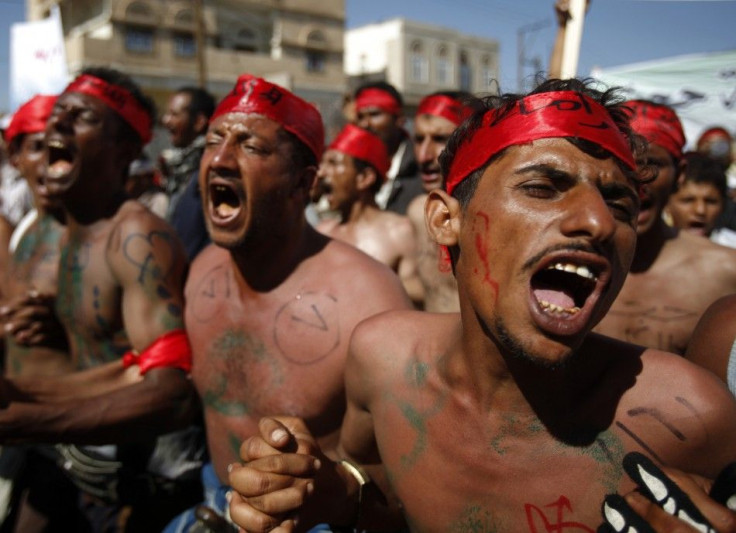
Yemen is holding an election to rubber-stamp Vice-President Abed Rabbo Mansour Hadi as the new leader, after three-decade ruler Ali Abdullah Saleh stood down under a deal brokered by the Gulf nations and left for the United States in January.
Yemenis are celebrating the 'historic' polls, with buntings and banners proclaiming the dawn of a new Yemen. For the Gulf Arab neighbors and the U.S. the pact under which Saleh was bundled out marked a cessation of long-standing political stalemate in one of the most crisis-prone regions of the world.
However, will the regime change in Sana'a usher in a safer Yemen for the United States? Will the change at the helm stop the surge of al-Qaeda, which has expanded influence in the Horn of Africa country which has long been a hot bed for al-Qaeda terror cells?
Or will the departure of Saleh, who granted the U.S. unfettered rights to conduct counter-terrorism operations in his country, weaken the U.S. policy in Yemen?
Tuesday's presidential election in Yemen will not end the country's unrest nor bring al Qaeda in the Arabian Peninsula (AQAP) closer to defeat. While American efforts seem to be focused on facilitating the transition of power to a Yemeni government that will fight AQAP, this requires a willing and able partner, the American Enterprise Institute said in a statement.
Will the U.S. have an able partner in Yemen after the election?
The U.S. recognized early enough that Yemen was the hotbed of terror recruitment and joined hands with Saleh -- a hated dictator -- and he gave the U.S. unlimited powers to carry out counter-terrorism activities.
Will the U.S. continue to get this kind of freedom under the incoming political dispensation? Chances are, it may not, given the nature of the popular protest that helped remove Saleh. This would certainly be an unpopular move by the new government, and it remains to be seen how far will Sana'a stretch its abilities in terms of counter-terrorism operations.
AQAP Gains
The al-Qaeda in Arabian Peninsula (AQAP) made considerable gains in Yemen in the past year owing to the popular anti-government protests. The AQAP cashed in on the chaos and popular disgust over a largely self-serving 30-year regime of a puppet of the Americans.
In the last 10 years of close Yemeni-U.S. partnership in fighting al-Qaeda in the peninsula, the terror network was not rooted out. Though theU.S. drone strikes routinely killed al-Qaeda leaders and blew up terror cells, the network was still able to plot and carry out attacks. Two of the biggest recent plots were the attempt to bomb cargo planes in October 2010 and the plot to bring down Northwest Airlines Flight 253 from Amsterdam to Detroit on Christmas Day 2009.
Yemen has been grappling with two major insurgencies, the al-Houthi separatist movement in the North and the al-Qaeda-led movement in the Southern region. In the run-up to the election, militants linked to the AQAP have maintained considerable sway in south Yemen while in North Yemen the al-Houthi movement is engaged in fierce fighting with the Sunni tribesmen and the Salafists.
In January al Qaeda-linked militants captured control of Rada'a, which is just 100 miles from Sana'a, a daring act that helped the AQAP expand their control in Southern Yemen. After capturing Rada'a, the militants said they now aimed at creating an Islamic Caliphate and liberating the Arabian Peninsula.
Yemenis' march towards polling booths is inspired by a faith in change, and not entirely based on realistic chances of effecting it.
Democracy Without Choice
Yemen's crisis is unique -- a pro-democracy movement has registered an apparent victory, the removal of a 30-year dictator from power. But in hindsight, the victory seems pyrrhic, for there is, comically, only one candidate on the ballot. Whoever thought democracy was about choice.
Myriad opposition groups in Northern and Southern Yemen are boycotting the elections and scores have died in violent clashes that broke out in recent weeks.
And then, would democracy, even if it were achievable in future, be a cure for the many ills plaguing Yemen? The deeply sectarian nature of Yemen's politics and the multiple war fronts across the country, along with bitter religious and tribal divides, make sure Yemeni politics will remain hopelessly fragmented in future.
This sort of chaos had a lot to do with the rise of al-Qaeda militants in this country and, as long as chaos reigns, terror networks will thrive in Yemen.
Silver Lining?
People who demanded Saleh's ouster also demanded more accountability from the government. They were fed up with rampant corruption; Sale was not even accountable to the U.S. which funneled billions of dollars into his coffers for counter-terrorism operations. He diverted those funds and happily stated that the U.S. was responsible for taking on terror wings.
If the new government becomes more accountable to the people -- also to the U.S. paymasters -- counter terror operations will get new set of teeth.
If it doesn't, the U.S. will hardly benefit from the regime change in Yemen: on the other hand it may be left with a little less policy influence in the country. Another feather in the cap of the Arab Spring, but as has been the trend, nothing much for the U.S. to cheer for.
© Copyright IBTimes 2024. All rights reserved.
-

Oil: 'Mother Of Corruption' In Venezuela
-

'Extreme' Climate Blamed For World's Worst Wine Harvest In 62 Years
-

Macron Warns 'Mortal' Europe Needs Credible Defence
-

Bitcoin And Crypto Price Review - Another Myth Gets Busted?
-

Mass Cancellations Loom Despite French Air Union Cancelling Strike
-

Mired In Crisis, Boeing Reports Another Loss
-
Recycled 'Zombie' Misinformation Targets US Voters
-

Hackers Leak Part Of Source Code Of El Salvador's Bitcoin Wallet
-

Azerbaijan Says 'Closer Than Ever' To Armenia Peace Deal Amid Border Talks
-

How UK's Biggest Water Supplier Sank Into Crisis


