Beautiful Photos of 300 New Species Discovered in Philippines
Researchers from the California Academy of Sciences believe they have identified 300 new species during a biological expedition that focused on the Island of Luzon, Philippines, according to the organization’s news release.
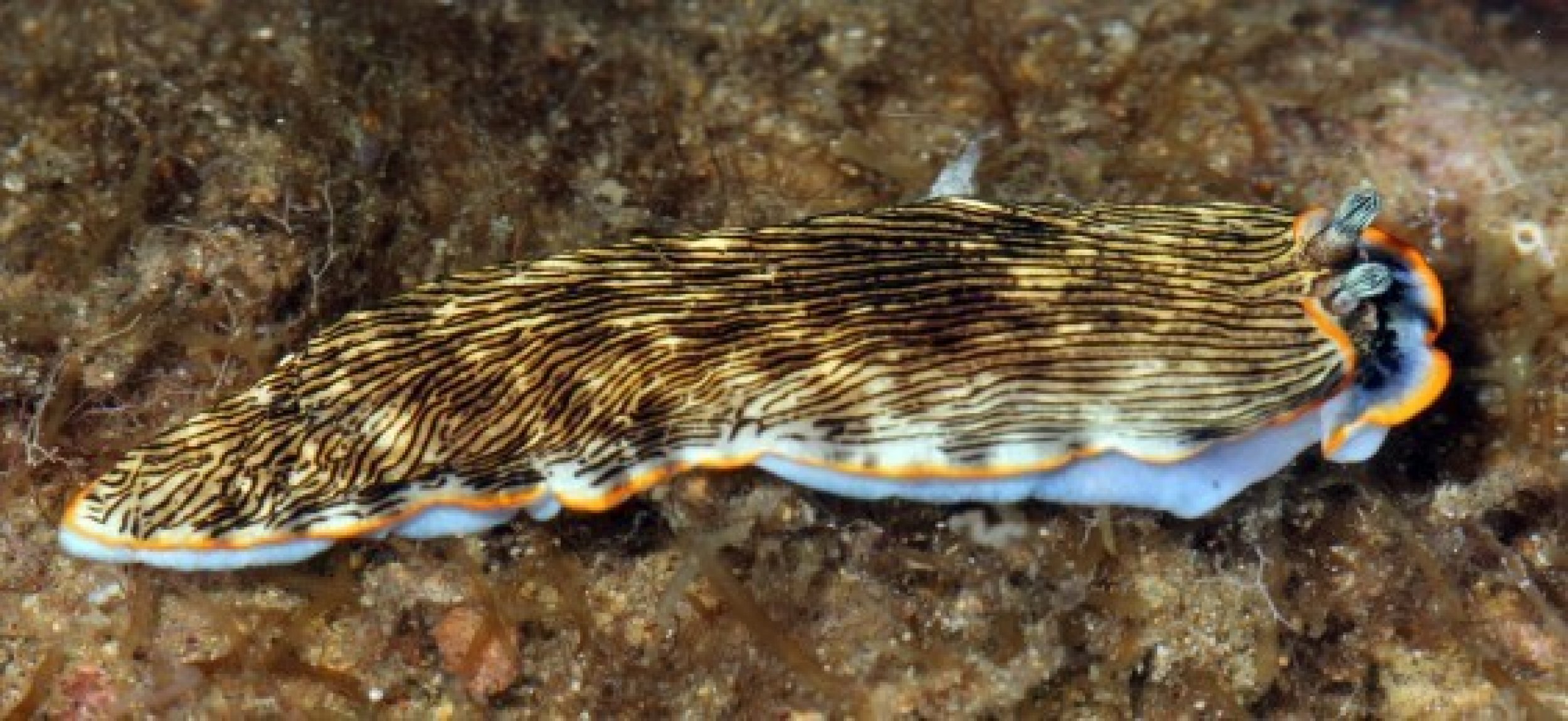
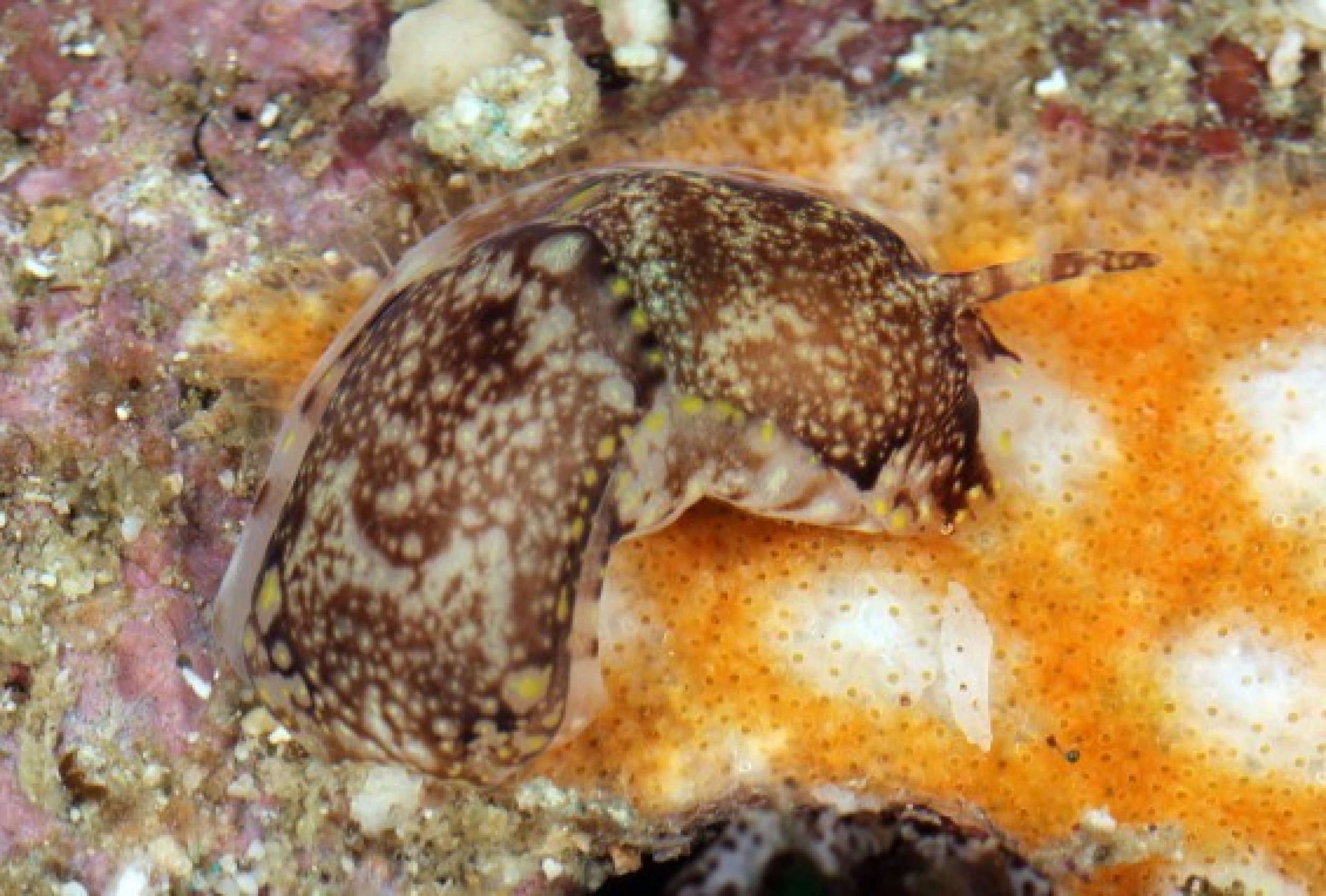
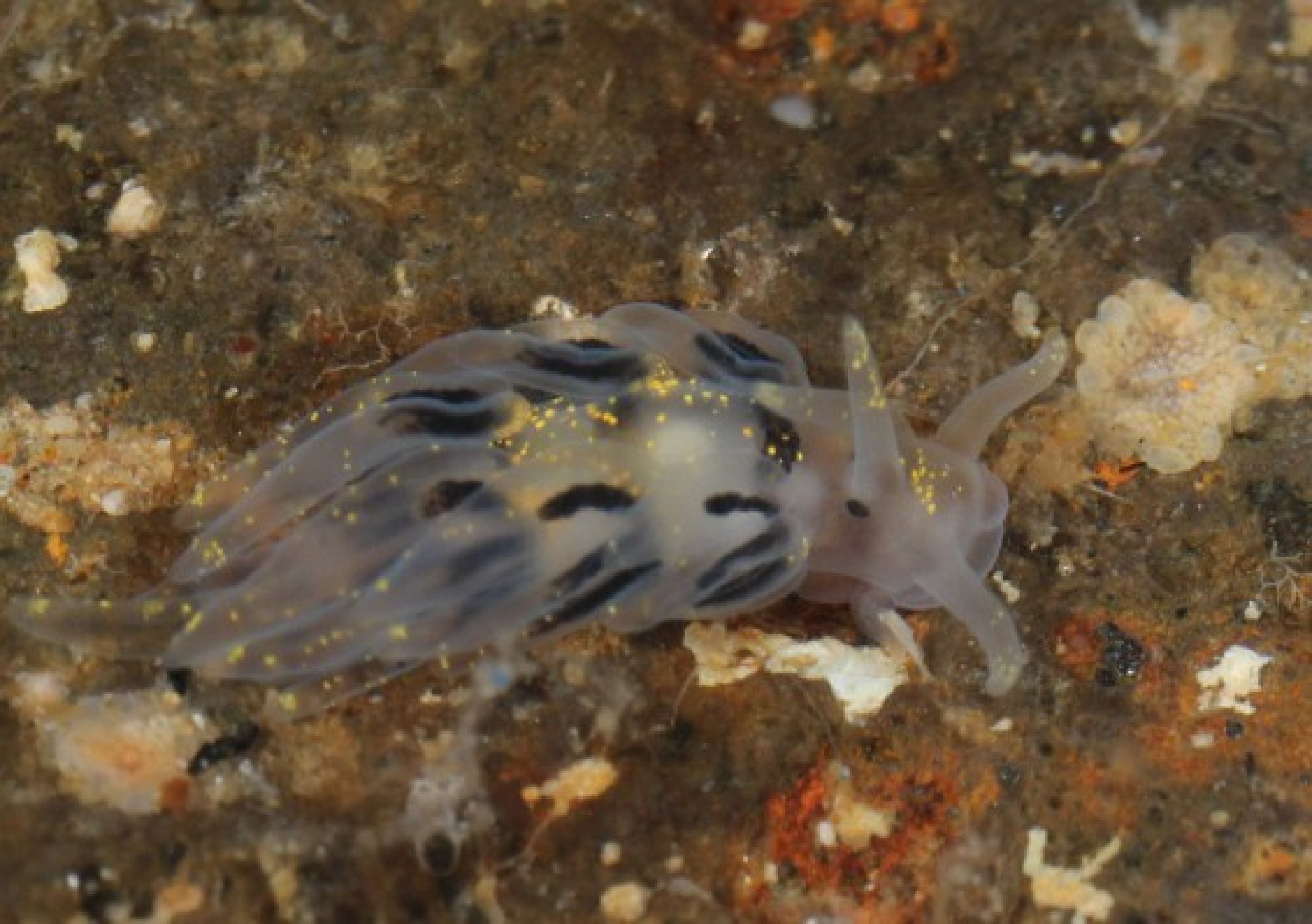
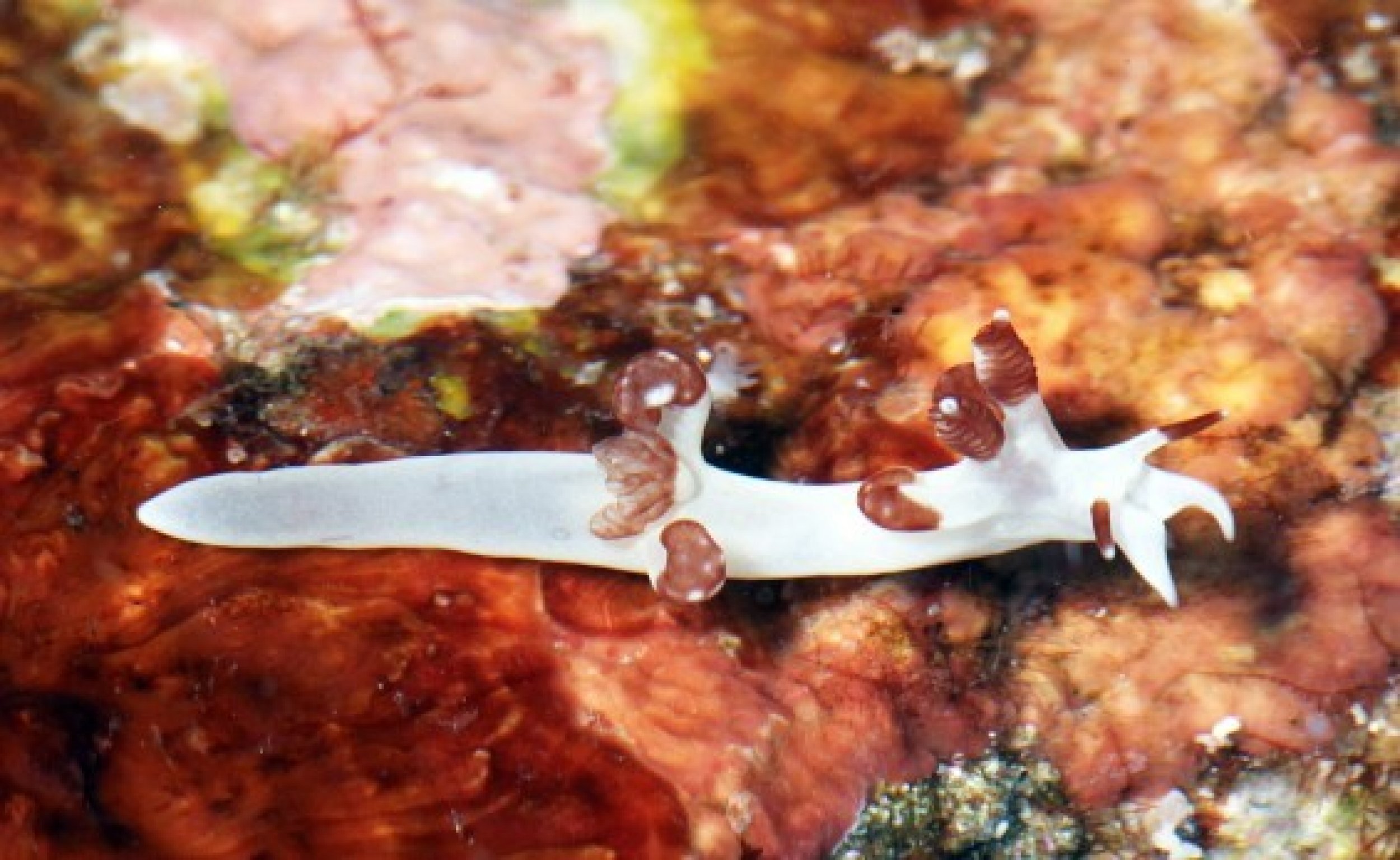
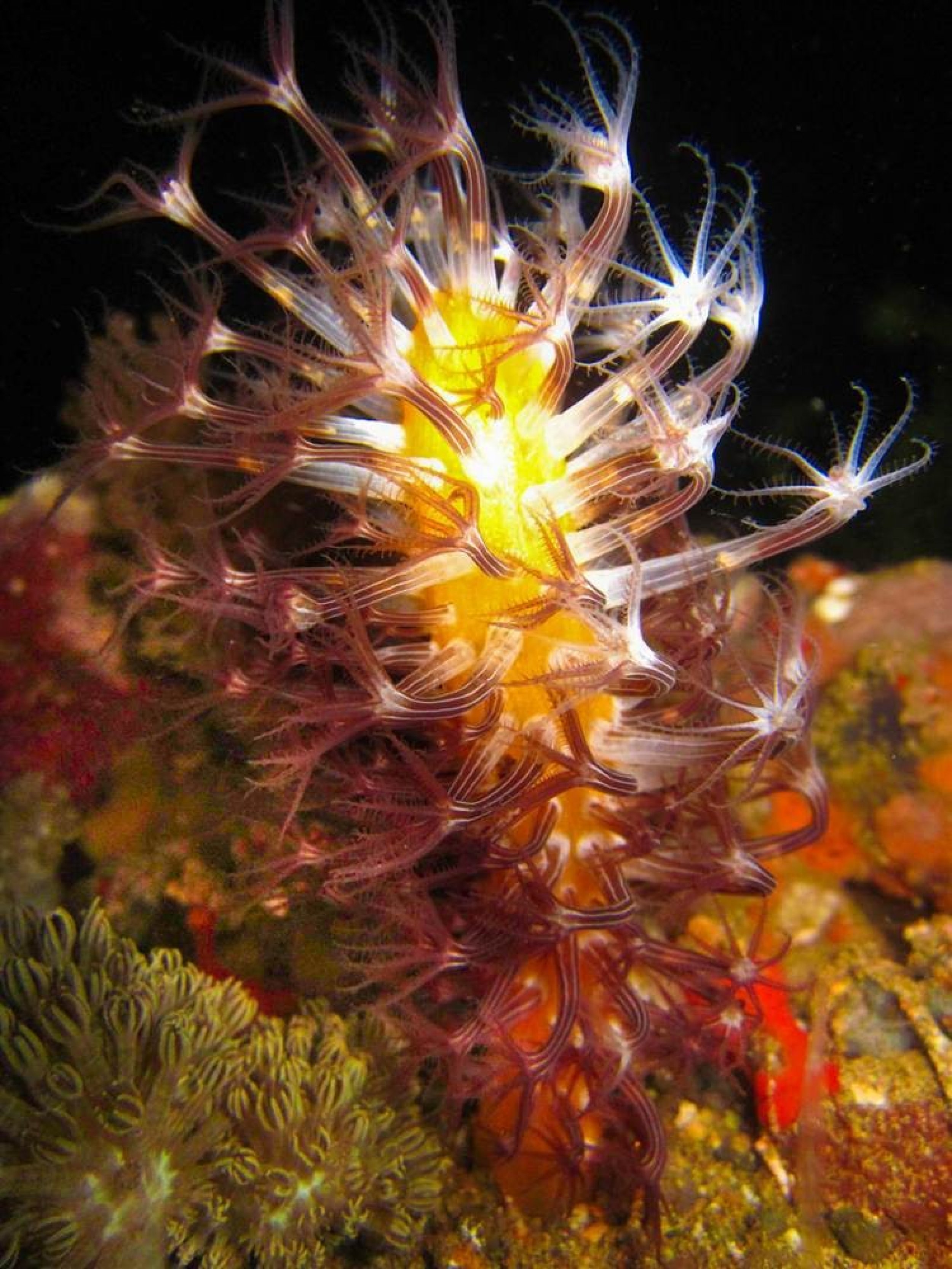
These new species include insects, spiders, corals, sea pens, sea urchins, sea stars, “colorful” sea slugs, and more.
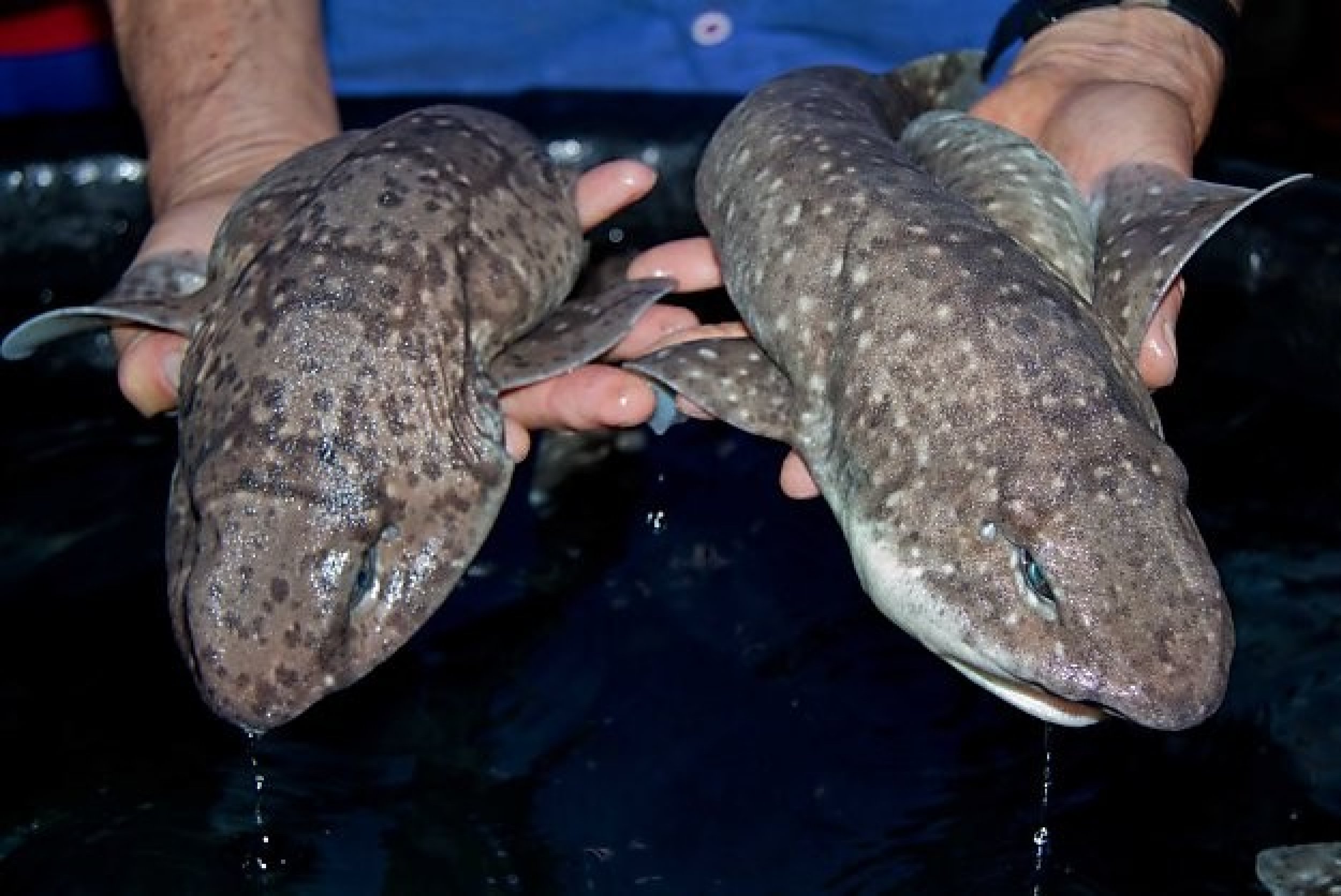
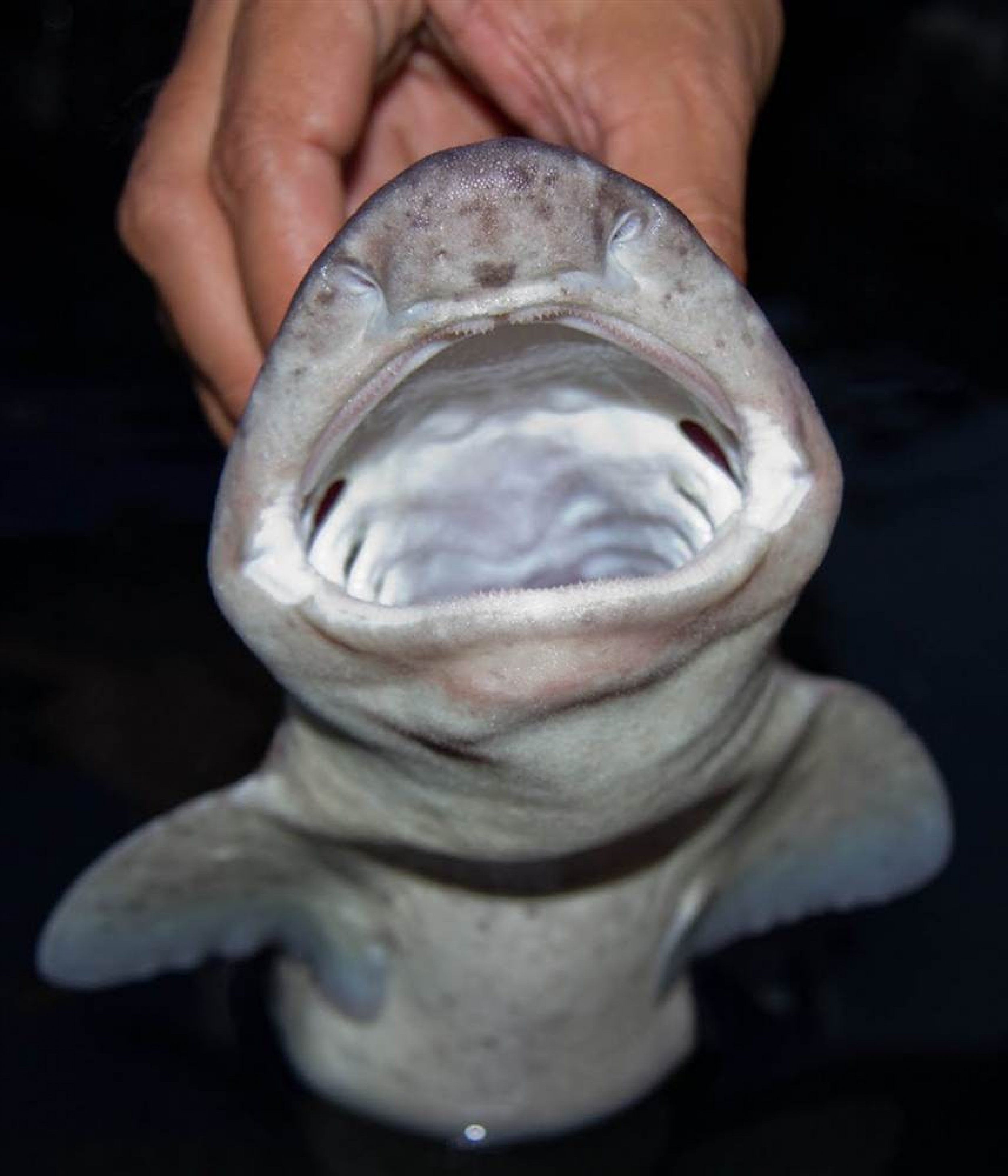
Among some of the more interesting new species are a swell shark that eats shrimp, a cicada that makes a “laughing” call, a starfish that only eats sunken driftwood, and a crab with needle-like teeth on its pincers.
The findings will be confirmed through microscopes and DNA sequencing in the coming months.
Dr. Terrence Gosliner of the academy said he found “new species during nearly every dive and hike as [they] surveyed the country's reefs, rainforests, and the ocean floor.”
Scientists believe 90 percent of the species on planet earth have not yet been discovered by humans. These undiscovered species are concentrated in areas of great biodiversity, according to ScienceDaily.
Luzon, Philippines is one such area, said Gosliner.
However, many of these areas are facing habitat loss and degradation, thus putting undiscovered species in danger of being wiped out.
Besides discovering and document new species, the California Academy of Sciences expedition used the information they gathered to make recommendations to Philippines authority on the preservation of the country’s wildlife.
Below are pictures of the new species.
[ALSO READ] Philippines discovers 300 new species (AMAZING RARE PHOTOS)
© Copyright IBTimes 2026. All rights reserved.
- MOST POPULAR IN Science