Investor Who Predicted The 2008 Financial Crisis Issues Fresh Warning: ‘Possible a 1987-Type Fall”
Burry said he remains bearish on AI-linked stocks and semiconductor shares despite the S&P 500 climbing to another all-time high.

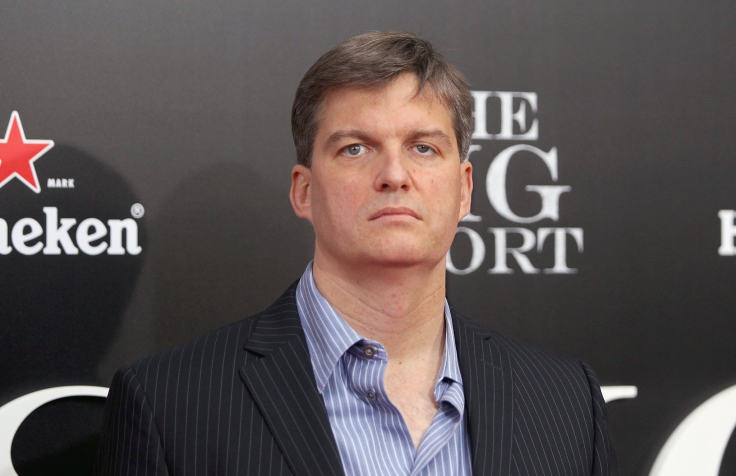
Investor Michael Burry, best known for predicting the 2008 housing market collapse, has renewed his warning that U.S. equities could be nearing a major turning point, saying current market conditions could resemble those that preceded the 1987 stock market crash.
The caution came even as Wall Street extended its rally on Tuesday. The S&P 500 rose 1.9% to its first record close since June, while the Nasdaq Composite gained 2.7%, helped by another round of stronger-than-expected corporate earnings and easing oil prices after optimism grew that shipping through the Strait of Hormuz could be fully reopened.
Writing on his Substack newsletter Tuesday, Burry said he still believes markets may be approaching a significant peak despite the ongoing rally.
"I continue to believe it is possible we are near a major top, and possible a 1987-type fall," Burry wrote, referring to the crash when the Dow Jones Industrial Average fell 22.6% in a single day.
The investor argued that fresh record highs are attracting more money into equities, creating a cycle in which declining market volatility encourages systematic and momentum-driven investors to increase leverage.
"Remember, the market going up on falling volatility forces vol-targeting funds to leverage up, and brings leverage from other momentum strategies into play," he wrote.
Burry has remained one of the most prominent skeptics of the artificial intelligence-driven stock boom. He has repeatedly questioned whether the massive spending on AI infrastructure is sustainable, arguing that some of the financing supporting the industry's rapid expansion may not hold up over the long term.
According to his latest post, Burry continues to maintain short positions against several companies that have been among the biggest beneficiaries of the AI rally, including semiconductor-focused iShares Semiconductor ETF (SOXX), Micron Technology, Nvidia, Applied Materials, Palantir Technologies, Tesla and Caterpillar.
He said most of those trades remain profitable, with the exception of his short position against Nvidia, while emphasizing that he remains committed to his broader bearish outlook.
At the same time, Burry acknowledged the risks associated with betting against a rising market, saying he would exit positions if they moved decisively against him.
"Again, shorting is not for everyone," Burry wrote. "I must short. Most should not."
Despite the warnings, Investors have increasingly focused on resilient corporate earnings, expectations that the Federal Reserve could ease monetary policy later this year, and continued enthusiasm surrounding artificial intelligence investments. Those factors have helped push major indexes back toward record territory despite ongoing geopolitical tensions and uncertainty over global trade.
Burry has built a reputation for making high-conviction contrarian bets, most famously predicting the collapse of the U.S. housing market before the 2008 financial crisis, a trade chronicled in Michael Lewis's book The Big Short and the Oscar-winning film of the same name. However, several of his more recent bearish calls have arrived well before market downturns materialized, underscoring the difficulty of timing broad market reversals.
© Copyright IBTimes 2026. All rights reserved.
- Recommended For You