

The Jobs Report Was Much Weaker Than Expected. Odds Of a Fed Hike Decreased Further.
Private payrolls increased by 29,000 in September, well below expectations, while figures for August and July were revised downward.

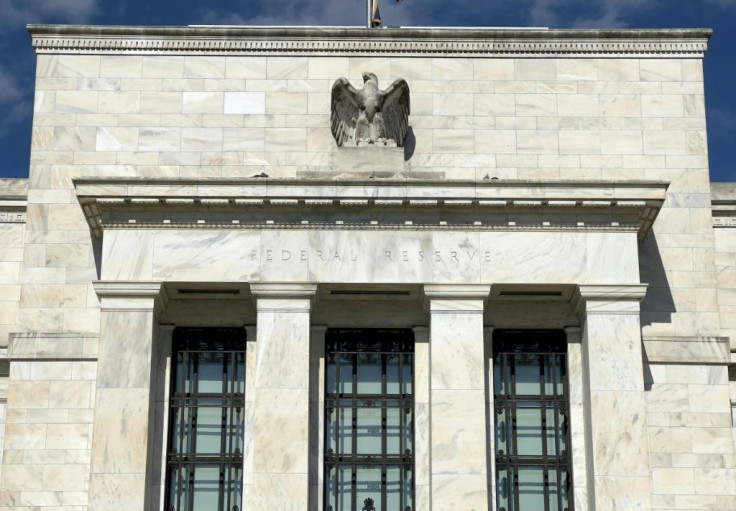
Odds of a rate hike by the Federal Reserve decreased further on Friday after the jobs report was much weaker than expected.
Chances that the central bank will keep rates unchanged have climbed to 86.2%, compared to 75.6% on Thursday, according to the CME Group's FedWatch tool. They stood at 64.2% on Wednesday.
Private payrolls increased by 29,000 in September, well below expectations, while the unemployment rate climbed as well, according to the Bureau of Labor Statistics.
Economists surveyed by Dow Jones expected nonfarm payrolls to increase by 84,000, with the unemployment rate holding at 4.1%. Health care, construction and manufacturing led the gains, while financial activities fell.
The figures are a sizable slowdown from August. And that month's figures were revised lower to 133,000. July's numbers were also changed, going from a gain to a loss of 10,000. Overall, the revisions showed 60,000 fewer jobs that previously reported.
Payroll growth has been volatile through much of this year, even as the unemployment rate has moved relatively little.
Odds of a rate hike also decreased on Wednesday after the Fed's preferred inflation gauge was much lower than expected.
According to the latest data from the Commerce Department, the personal consumption expenditures price index climbed a seasonally adjusted 0.3% for the month. The 12-month gain stood at 3.4%, below the 3.7% expected by economists.
However, the core index showed a 0.2% increase, below the 0.3% expected by economists. The annual figure stood at 3%, below the 3.3% expected by analysts.
Energy costs led the increase. Gasoline climbed 4.4%, while transportation services gained 1.4%. Energy goods and services rose 2.3%.
Minneapolis Fed President Neel Kashkari said inflation concerns remain despite the figure.
Speaking at a Council on Foreign Relations event in New York, Kashkari said that "there are many different measures of inflation, but it's running at around a 3% rate."
"It's been elevated now for more than five years. I didn't think the inflation data today really changed that story for me very much." He went on to note that other data also released on Wednesday, including an updated GDP report and private payrolls, showed that the U.S. economy remains "resilient."
Elsewhere, data from the Commerce Department's Bureau of Economic Analysis showed that the economy grew 2.2% in the second quarter of the year, slightly less than in the first one (when it grew 2.5%) but above its previous estimate of 1.5%.
"Real GDP was revised up 0.7 percentage point from the second estimate, primarily reflecting upward revisions to investment, consumer spending, and government spending," the report said.
Consumer spending, which accounts for about 70% of the U.S. economic activity, climbed 3.8%, up from 0.7% in the first quarter.
© Copyright IBTimes 2026. All rights reserved.