Iran’s Economy Keeps Deteriorating As Seven Months of Conflict With The U.S. Sends Living Costs Soaring
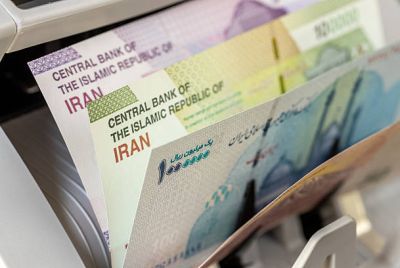
The U.S. blockade targeting Iranian oil exports has restricted Tehran's access to foreign currency while compounding years of inflation, sanctions and economic instability.


Seven months of war have placed Iran under mounting economic pressure, further driving up the cost of everyday necessities and forcing households to dramatically reduce spending as restrictions on the country's oil exports squeeze a critical source of revenue.
While Iran's leadership has projected confidence in its confrontation with the United States, the economic consequences of the conflict are becoming increasingly difficult to contain. A U.S. blockade targeting Iranian oil exports has restricted Tehran's access to foreign currency while compounding years of inflation, sanctions and economic instability.
The result is an increasingly severe cost-of-living crisis affecting food, housing, medicine, transportation and other basic expenses. Consumers who once purchased goods in larger quantities are increasingly limiting themselves to necessities, according to Reuters reporting from inside Iran.
Businesses' own operating costs are rising, but many cannot increase prices enough to compensate because customers have little ability to absorb additional increases. Housing has become another major source of pressure, particularly in Tehran, where high rents are pushing some residents toward less expensive communities outside the capital or other parts of the country.
The deterioration is also spreading through Iran's labor market. Private businesses are cutting jobs as consumer demand weakens and operating expenses climb. For workers who lose their jobs, finding another source of income in an economy already strained by war can be particularly difficult.
Even households that previously enjoyed relatively comfortable standards of living are reducing discretionary purchases, delaying expenses and exhausting savings. Iran entered the conflict with significant economic vulnerabilities. Years of international sanctions had already limited investment, restricted access to global financial markets and contributed to persistent inflation.
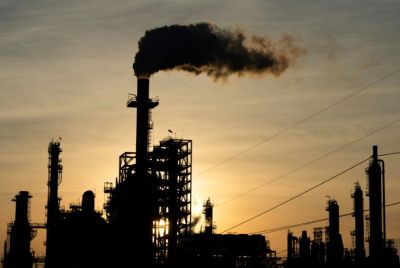
Oil is particularly important because energy exports provide Iran with a major source of government revenue and hard currency. Washington's efforts to restrict those exports therefore have consequences that extend throughout the Iranian economy, limiting the government's financial flexibility while placing additional pressure on the currency and imports.
The worsening economic conditions could also become a factor in diplomacy. U.S., Middle Eastern and Iranian sources told Reuters that economic strains helped spur the latest diplomatic efforts aimed at finding a possible path out of the conflict. Iranian authorities have repeatedly expressed concern about domestic unrest as economic conditions deteriorate.
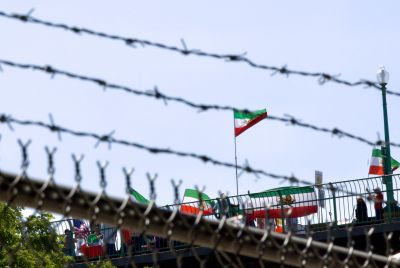
Those concerns predate the current war. Iran experienced major demonstrations earlier this year amid longstanding frustration over economic conditions and political grievances. Authorities responded with a severe crackdown.
For now, however, the immediate challenge for many households is navigating the economic consequences of a conflict that has entered its seventh month. At the same time, Iran retains significant economic leverage of its own through the Strait of Hormuz, one of the world's most important energy corridors.
© Copyright IBTimes 2026. All rights reserved.
- Recommended For You