

London Olympics 2012: Who Will Light The Olympic Flame? Top Five People Most Likely To Ignite The Olympic Cauldron [PHOTOS]

Lighting the Olympic Cauldron has always been an honor reserved for famous athletes, former athletes and/or athletes with significant achievements and milestones. On some occasions, the tradition has even been completed by people who may not possess the fore mentioned qualifications but do in fact symbolize Olympic ideals.
While the London Olympics 2012 is just hours away from kicking off, the one question on everybody's mind is who will light this year's Olympic flame.
With the 70-day British leg of the torch relay drawing close to its end as the last of the 8,000 torchbearers approach the opening ceremony at the Olympic Stadium in Stratford, the decision on who gets to light the flame has surprisingly remained a closely-guarded secret.
As many people that have been rumored to be front-runners for the incredible honor, whoever is chosen by the British Olympic Association will follow greats from previous Games such as Muhammad Ali and Wayne Gretzkey.
"It gives life to the Games. It's the fire which supposedly came from the Greek gods of the past. There have been a lot of famous, and not so famous people who have lit the flame," says BBC commentator Barry Davies.
"I think it should be one person who is an inspiration. It's a good thing that we have so many good candidates, but you are not going to please everyone with the choice," he added.
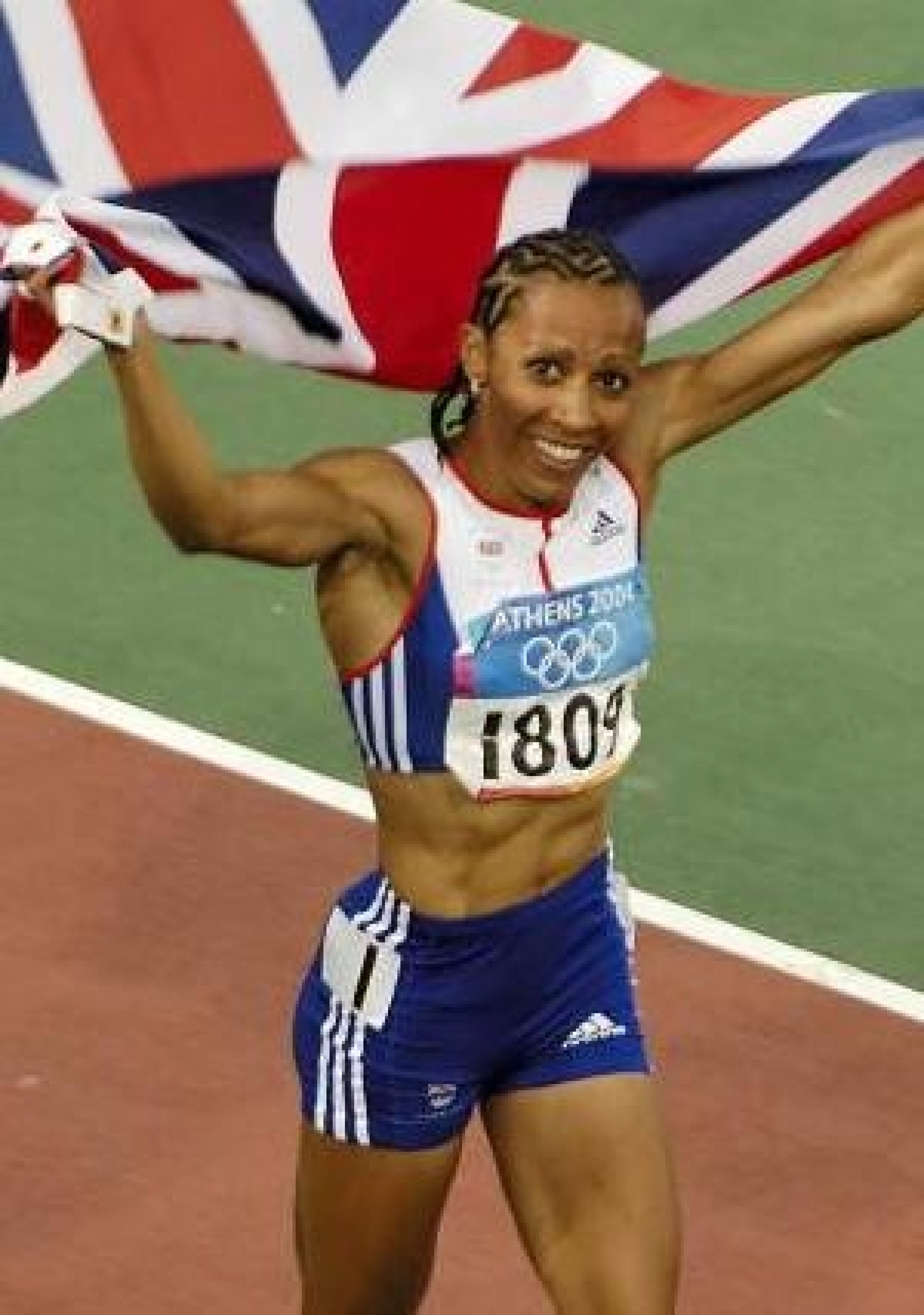
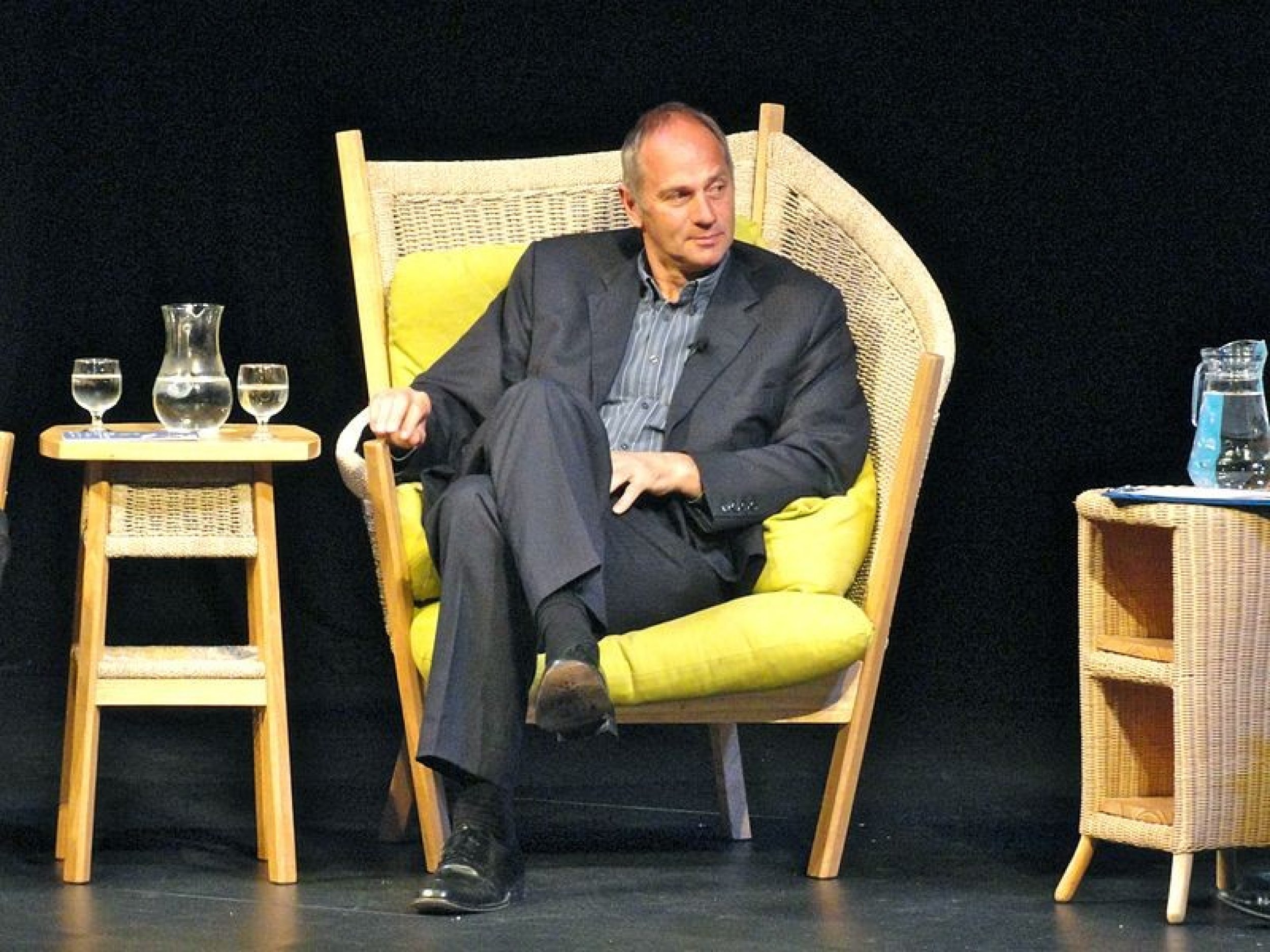
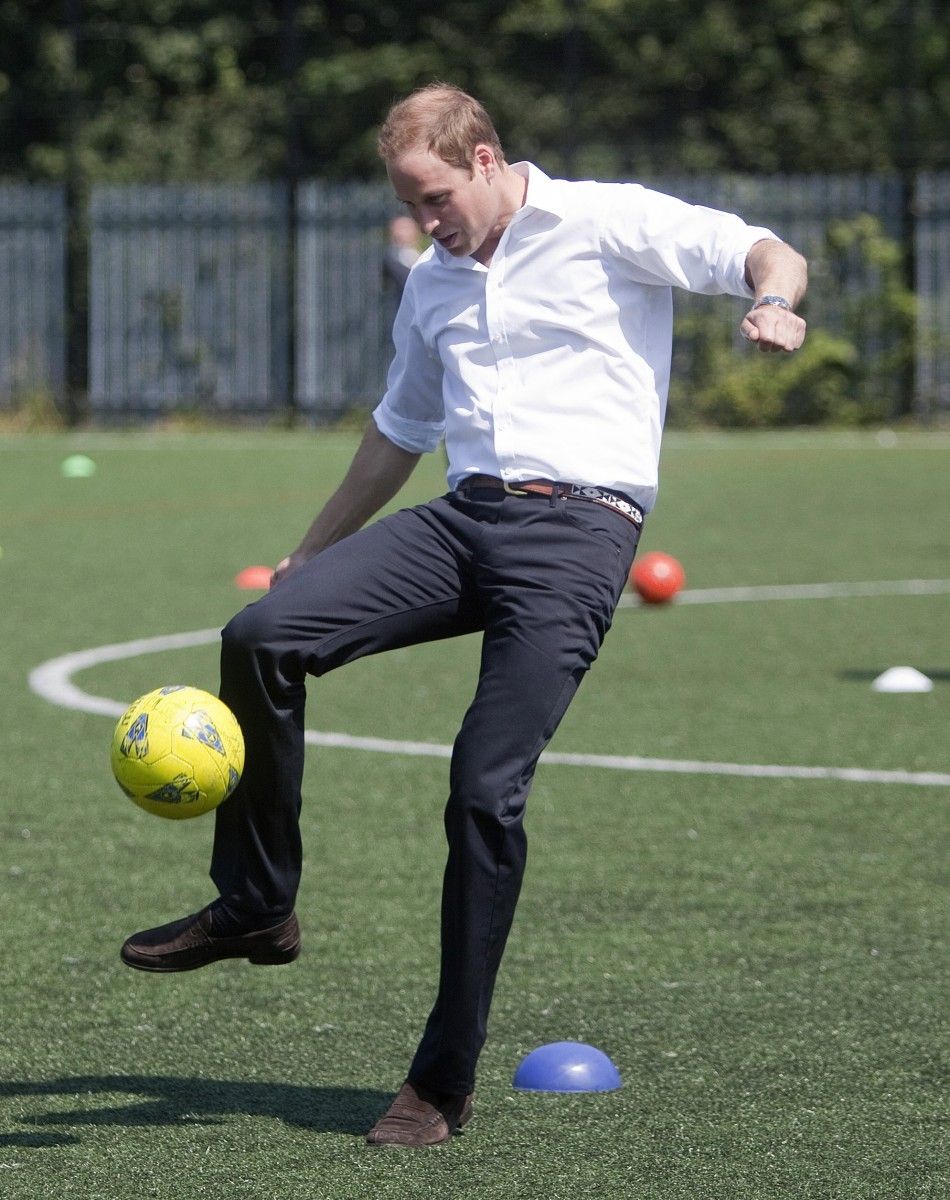
Click "start" to check out five people most likely to light the Olympic Cauldron at the London Olympics 2012.
© Copyright IBTimes 2024. All rights reserved.
-

Microsoft Expands Its AI Empire Abroad
-
Oil: 'Mother Of Corruption' In Venezuela
-
'Extreme' Climate Blamed For World's Worst Wine Harvest In 62 Years
-
Macron Warns 'Mortal' Europe Needs Credible Defence
-

Bitcoin And Crypto Price Review - Another Myth Gets Busted?
-
Mass Cancellations Loom Despite French Air Union Cancelling Strike
-

Mired In Crisis, Boeing Reports Another Loss
-
Recycled 'Zombie' Misinformation Targets US Voters
-

Hackers Leak Part Of Source Code Of El Salvador's Bitcoin Wallet
-

Azerbaijan Says 'Closer Than Ever' To Armenia Peace Deal Amid Border Talks


