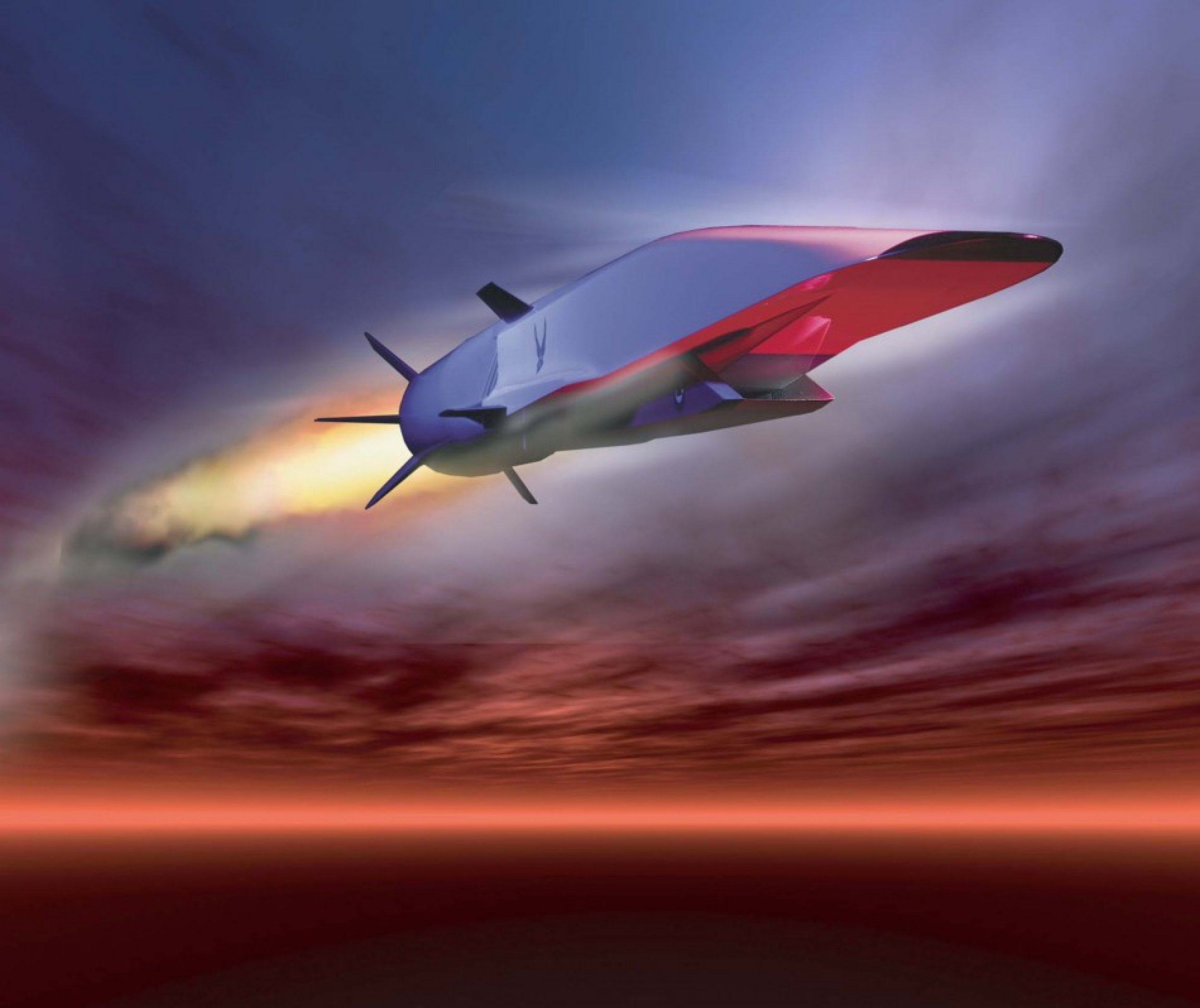
The X-51A WaveRider unmanned experimental scramjet was on its way Tuesday morning from Edwards Air Force Base, 114 miles north of Los Angeles, to Point Mugu Military Base, 52 miles east of Los Angeles, for a historic test flight. The jet will attempt to maintain sustained hypersonic flight for longer and faster than it did in its first self-powered test flight on May 26, 2010.
If successful, Tuesday's test flight over the Pacific Ocean near the base will mark the first time a so-called scramjet has held a velocity of over five times the speed of sound for at least 300 seconds.
"Attaining sustained hypersonic flight is like going from propeller-driven aircraft to jet aircraft," Robert A. Mercier, deputy for technology in the high speed systems division at the Air Force Research Laboratory in Ohio, told the Los Angeles Times. "Since the Wright brothers, we have examined how to make aircraft better and faster. Hypersonic flight is one of those areas that is a potential frontier for aeronautics. I believe we're standing in the door waiting to go into that arena."
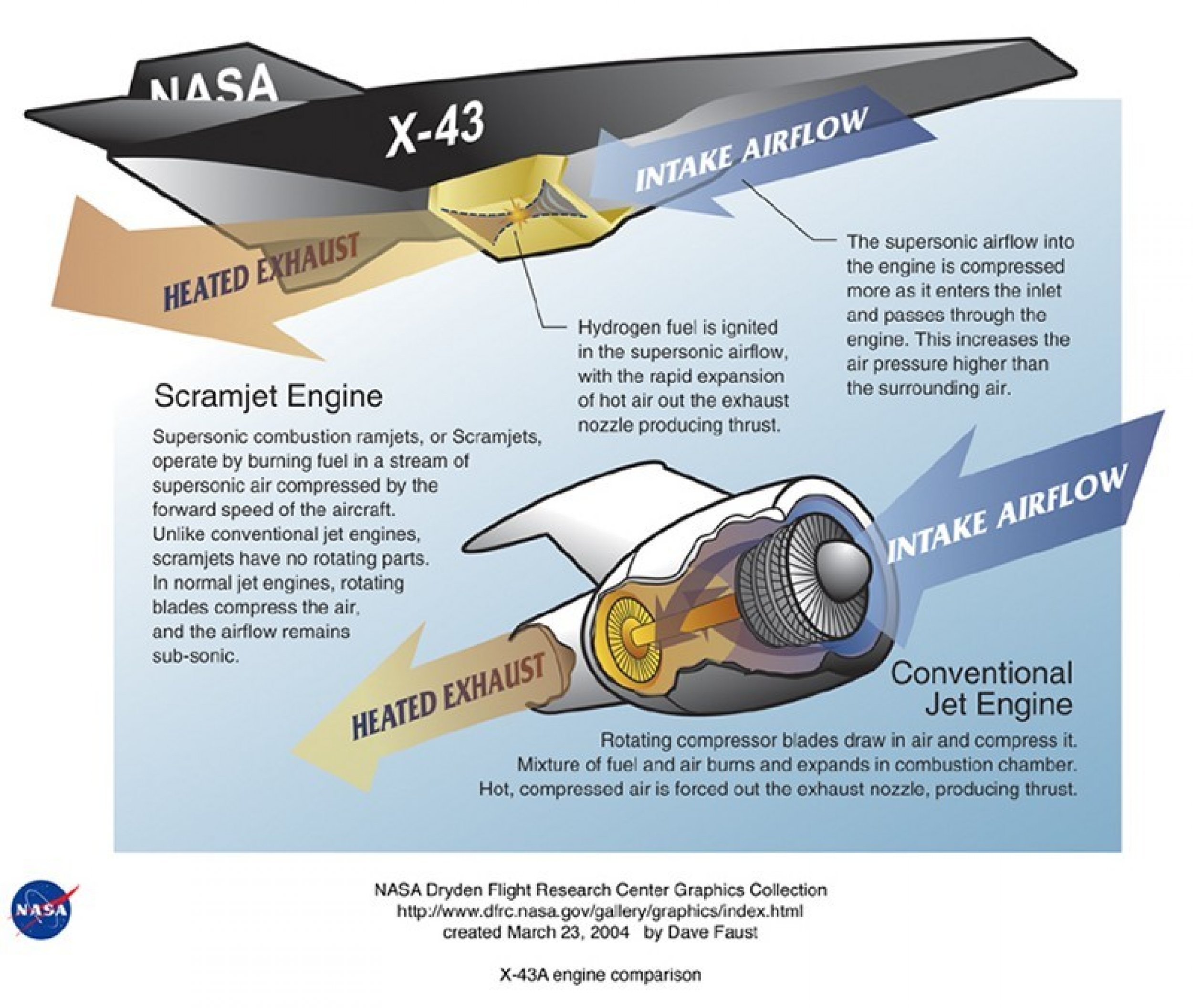
What the X-51A will not do, however, is break any unmanned aircraft speed records -- that's a record held by an earlier scramjet, the X-43A, which on Nov. 16, 2004, travelled for 10 seconds at almost 10 times the speed of sound, or more than twice the speed of the fastest conventional bullet.
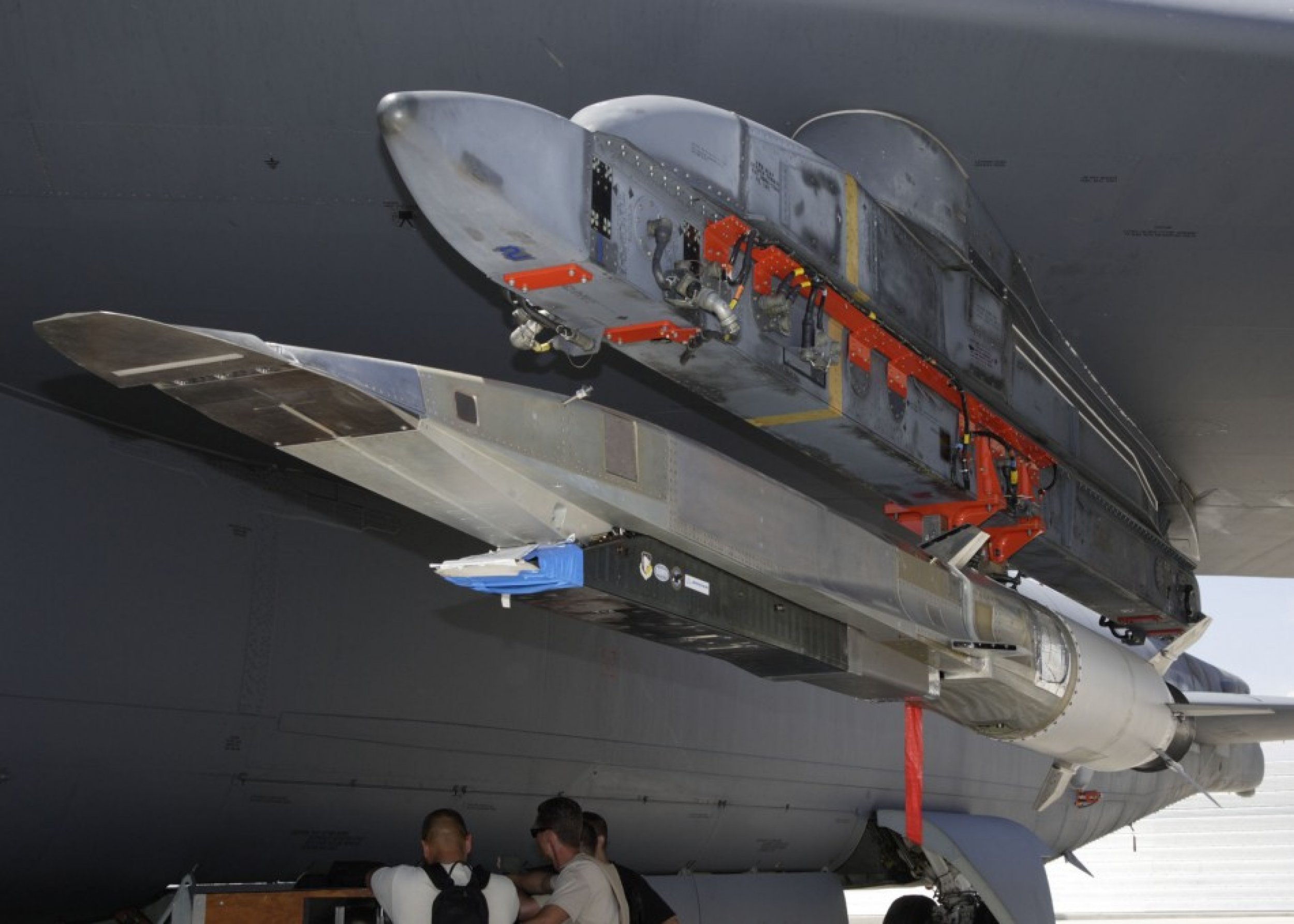
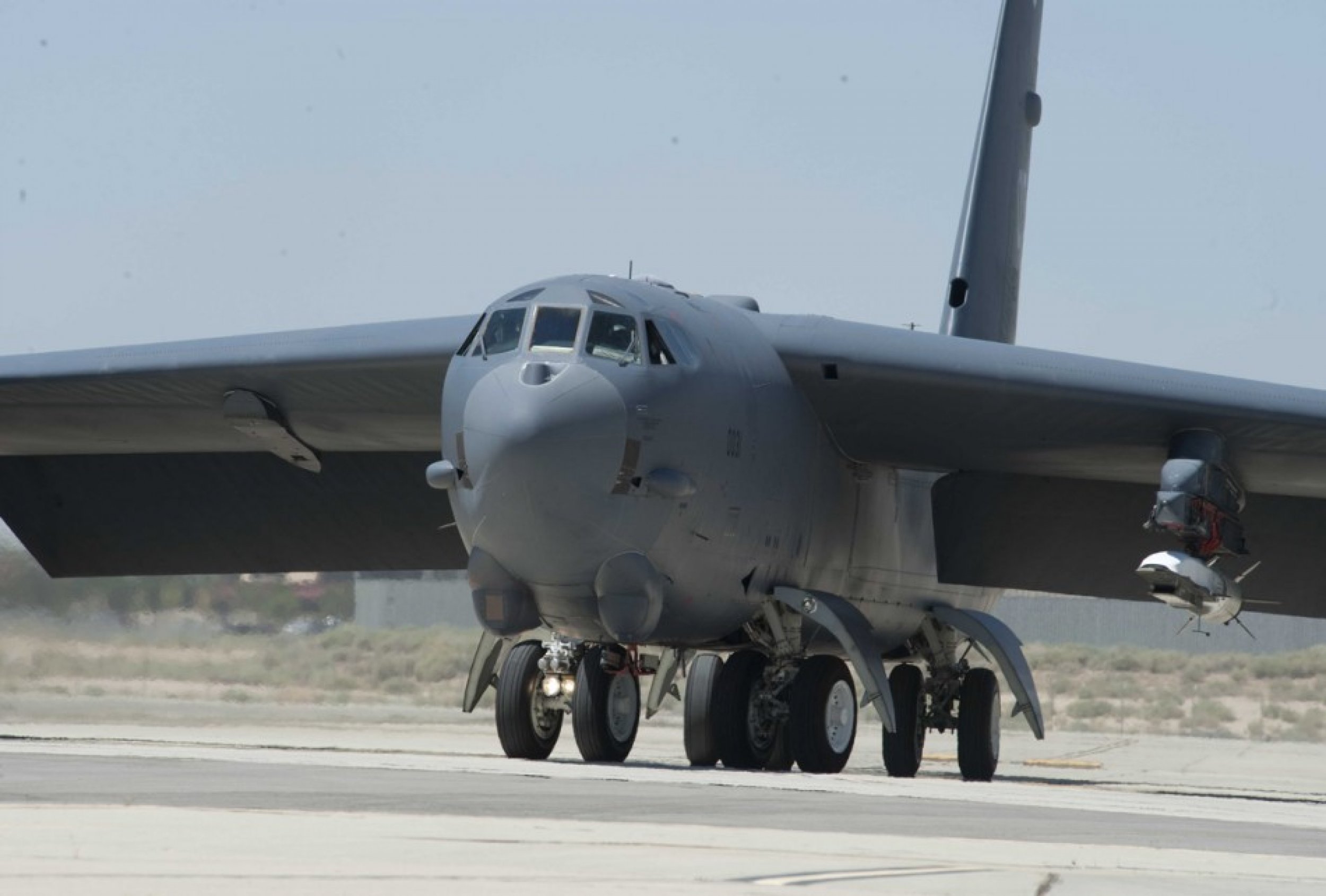
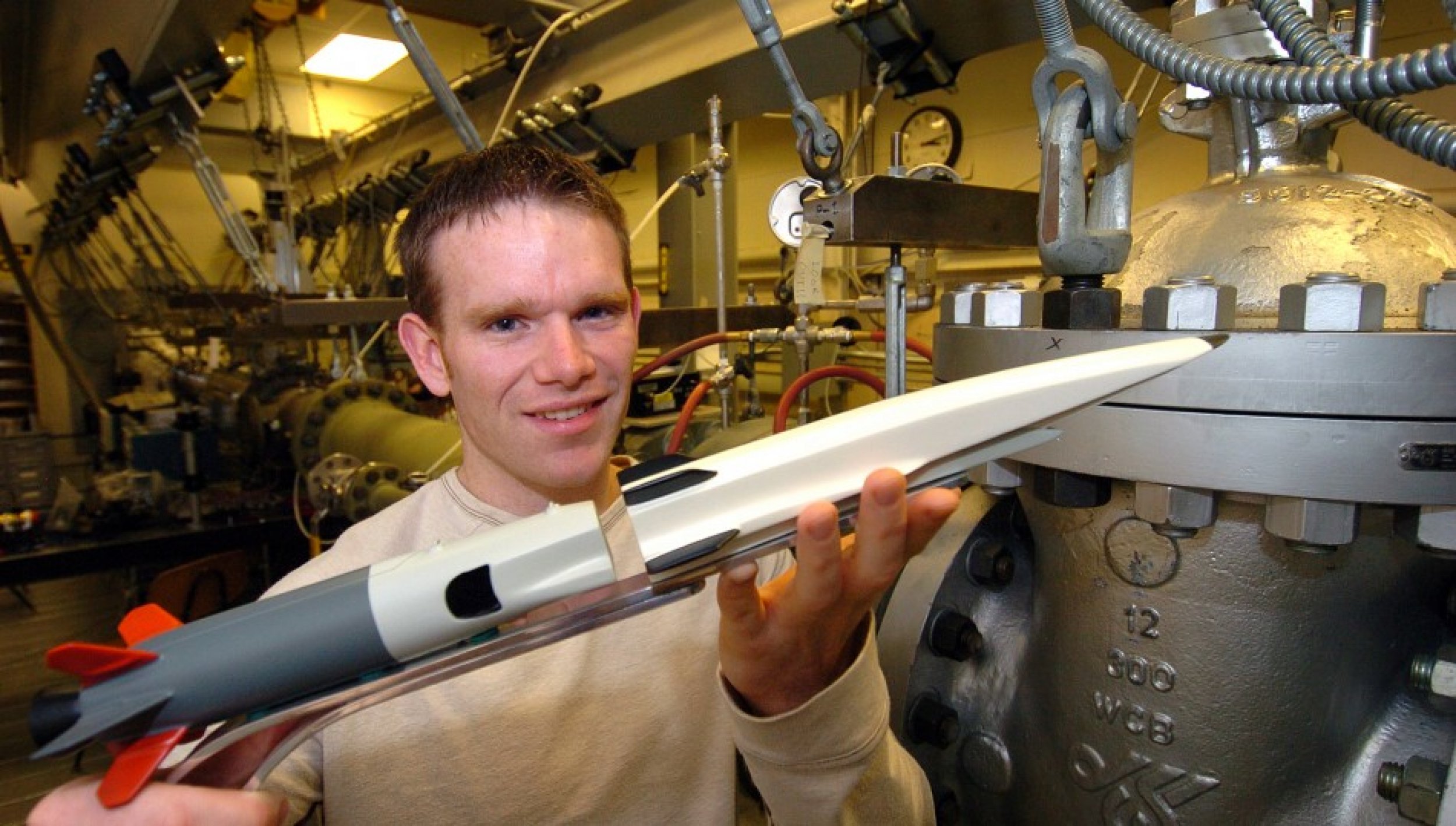
New York to London in an hour? Don’t book your tickets anytime soon. The aircraft looks more missile than commercial aircraft. The X-51A is being made through cooperative efforts by the U.S. Air Force, the U.S. National Aeronautics and Space Administration, the Department of Defense, The Boeing Company (NYSE: BA), and Pratt & Whitney Rocketdyne.U.S. Air ForceIf all goes as planned, the X-51A will be dropped from the wing of a B-52 bomber 50,000 feet over the Pacific Ocean on Tuesday, reaching speeds of 3,600 miles per hour before attempting to accelerate up to about Mach 6, or around 4,000 miles per hour, for at least 300 seconds while climbing to 70,000 feet, according to NASA.U.S. Air ForceHere’s the X-51A attached to the B-52 bomber that carried it from Edwards Air Force Base on its second test flight on June 13, 2011. The flight ended earlier than expected due to a technical error that prevented the second stage acceleration. In the first flight in May 2010, the jet broke Mach 5, but it did not make it to the 300-second time goal. U.S. Air ForcePurdue doctoral student Matthew P. Borg holds a model of an advanced aircraft, the X-51A, in this 2008 file photo. Purdue engineers have been part of the team of researchers from government, academia and industry handling different aspects of the vehicle.Purdue UniversityThe X-43A hit Mach 9.8, or 7546 miles per hour, on Nov. 16, 2004. The speed, however, was maintained for only 10 seconds. This was the third self-powered test flight. The first one ended in failure. The second was successful but not as fast. The X-51A will not seek to break the X-43A's speed record.NASA