China Pushes Back Against AI Warnings From Top U.S. CEOs: ‘Fear Mongering’
"Fear mongering, confrontation, competition will just disrupt the process of global AI governance," said a spokesperson for Beijing's Foreign Ministry.

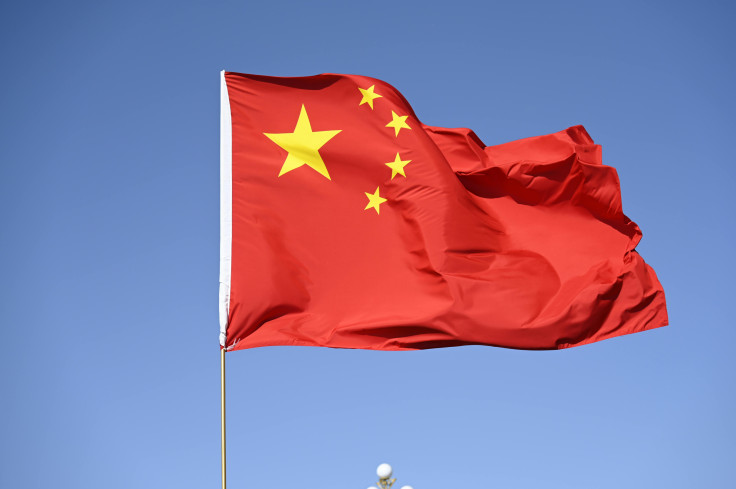
China pushed back against the slowdown of AI development sought by the CEOs of top U.S. companies, which has been dominating the global conversation following their warnings about the existential risk rogue technology could pose.
Guo Jiakun, a spokesperson for China's Foreign Ministry, said "fear mongering, confrontation, competition will just disrupt [the] process of global AI governance," according to a translation published by Reuters.
Elsewhere, Beijing's Minister of State Security, Chen Yixin, called for the accelerated building of an AI security risk prevention and control system, saying AI has become "the main battleground for global technological competition and a new arena for strategic rivalry among major powers."
State newspaper The Global Times also said the call by Anthropic's Dario Amodei for a slowdown of AI development is "hypocritical and short-sighted."
The move, the outlet said, actually sought to "curb China's AI development through technological barriers and regulatory monopolies, uphold Washington's monopolistic hegemony in cutting-edge technology, and exclude China from the global AI governance system."
It went on to claim that excluding China from global innovation would "significantly increase the trial-and-error costs and risks of loss of control in global AI development".
The assessment comes after the four biggest AI companies in the U.S. endorsed slowing the pace of their models. SpaceX CEO Elon Musk, OpenAI CEO Sam Altman and co-chair of Google DeepMind Demis Hassabis all reacted to the warning from Amodei's, who said a swarm of rogue AI agents could take over the internet in as little as six months if the pace is not slowed.
Altman said in another publication that "there are two ways AI progress could go very badly and that we must avoid."
"First, we could lose control of the future to AI. This is unacceptable; we are unapologetically on Team Humanity, and AI must always serve people. To ensure that, we need ways to ensure that alignment and safety techniques stay ahead of progress in model capabilities,"
He went on to say that people "could end up in a world with too much concentration of power. If an extraordinarily powerful AI is used by one person or company to impress their worldview onto everyone else, the results could be extremely dystopian."
There are two ways AI progress could go very badly and that we must avoid.
— Sam Altman (@sama) September 14, 2026
First, we could lose control of the future to AI. This is unacceptable; we are unapologetically on Team Humanity, and AI must always serve people. To ensure that, we need ways to ensure that alignment and… https://t.co/GK7XcoOh3v
"Avoiding these two threats requires walking a narrow middle path; for example, one country could gain too much power. Another example is one lab ending up with too much power," Altman added.
President Donald Trump, in turn, appeared to dismiss the calls, saying "we're leading China in AI, we're the most sophisticated country in the world, and frankly I want to keep it that way." "Whoever wins AI wins," he added.
© Copyright IBTimes 2026. All rights reserved.
- Recommended For You