

Diesel Prices Have Surged Back Toward April’s High. That’s Another Problem For America’s Inflation Fight.
The national average reached $5.688 a gallon Tuesday. U.S. distillate inventories have fallen sharply during August.

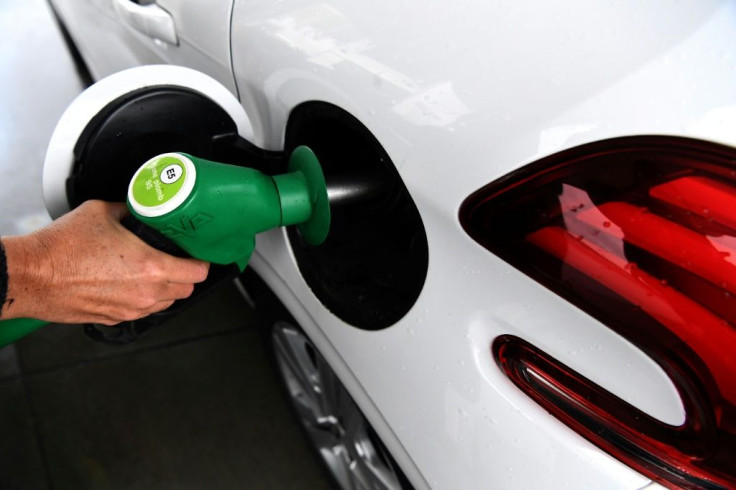
U.S. diesel prices have climbed back toward levels last seen during the early months of the war with Iran, adding fresh pressure to transportation and business costs as disruptions in the Middle East and Russia squeeze global fuel supplies.
The nationwide average retail price reached $5.688 a gallon on Wednesday, just below the April peak that was the highest since mid-2022, according to AAA data. Separate Energy Information Administration data showed the average U.S. on-highway diesel price at $5.599 for the week ended Aug. 31, up from $5.313 five weeks earlier.
The increase matters well beyond motorists because diesel powers much of the country's trucking, agriculture and construction industries. Higher fuel costs can work their way through supply chains as companies pay more to move goods, and transport operators have already raised fuel surcharges in response to the war-driven increase. Reuters reported last week that higher transportation fuel surcharges have boosted costs for customers while also lifting profits at some major freight and shipping companies.
Energy prices were already running well above year-earlier levels before the latest increase. The Bureau of Labor Statistics said its energy index was up 14.7% in July from a year earlier, while gasoline prices were 24.6% higher. Overall consumer prices rose 3.4% over the same period. August inflation figures are scheduled for release on Sept. 11.
Fresh fighting between the U.S. and Iran has added another layer of pressure. Brent crude stood above $95 a barrel on Wednesday, up 4.6%, while U.S. West Texas Intermediate climbed back above $90 a barrel, soaring over the past days as renewed strikes raised concerns about supplies moving through the Strait of Hormuz.
Supplies of refined fuels have also tightened outside the Middle East. Ukrainian attacks on Russian refineries forced emergency shutdowns at several facilities in August, with Russia's gasoline production falling to about 70% of domestic demand late in the month, according to Reuters. U.S. inventories have been moving lower as well, with EIA data showing distillate stocks falling from 110.6 million barrels in late July to 103.4 million barrels by Aug. 21.
President Donald Trump has turned to domestic refiners as his administration tries to bring fuel costs down before November's midterm elections. Trump met oil executives at the White House Tuesday and pushed the industry to increase refining capacity and production, with companies including Chevron, Marathon Petroleum and Valero represented in the talks, the Financial Times reported.
Refiners, however, have little spare room to quickly raise output. U.S. facilities have been running at utilization rates above 95% for 12 consecutive weeks, while industry executives have pointed to the cost and long timelines involved in adding major new refining capacity.
© Copyright IBTimes 2026. All rights reserved.