

Refiner Stocks Have Soared More Than 80% in 2026. The Last 5 Times This Happened, They Fell Later.
Marathon Petroleum, Valero Energy and HF Sinclair have each surged more than 80% this year, compared with an approximately 11% gain for the S&P 500.

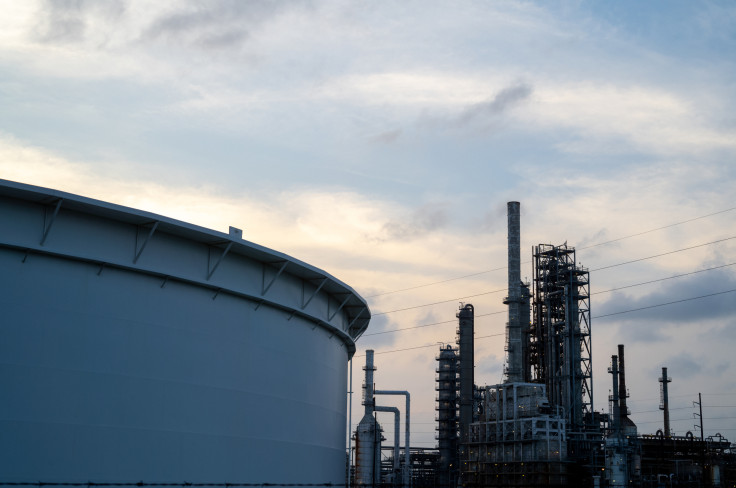
U.S. oil refiners have delivered one of the stock market's biggest rallies of 2026, powered by soaring refining margins and geopolitical disruptions that have tightened global fuel supplies. But after gains that have dwarfed the broader market, history suggests the trade may be getting dangerously stretched.
Marathon Petroleum, Valero Energy and HF Sinclair have each surged more than 80% this year, compared with an approximately 11% gain for the S&P 500, according to a CNBC analysis. Marathon and Valero have nearly doubled, while Phillips 66 has climbed about 66%.
Behind those gains is an extraordinary increase in the profits refiners can earn turning crude oil into gasoline, diesel and other petroleum products. The West Texas Intermediate 3-2-1 crack spread, a widely watched proxy for refining margins, has climbed to around $59 per barrel, nearly three times its level at the beginning of the year. Between 2010 and 2021, the same spread averaged roughly $19, the outlet noted.
But the scale of the stock rally itself is now flashing a potential warning signal. Carter Worth of WorthCharting found that the S&P 500 Oil & Gas Refining & Marketing Sub-Industry Index, which includes Marathon, Valero and Phillips 66, has jumped 104% this year. As of Friday's close, the index stood 41% above its 150-day moving average.
That has happened only five other times in the index's history, according to Worth. In every previous instance, returns over the following six months were negative, with an average decline of 10.1%.
The biggest risk is that much of the industry's windfall is tied to geopolitical disruptions that could reverse. Hostilities around the Strait of Hormuz have helped send refining margins sharply higher, while the Russia-Ukraine conflict has further constrained supplies of refined petroleum products. Russia normally produces an estimated 5.5 million barrels per day of refined products, but output has fallen by an estimated 25% to 30%, according to CNBC.
A sustained ceasefire or other significant de-escalation could quickly change that equation. The futures market is already pricing in considerably lower refining margins farther out. The September Nymex 3-2-1 spread was around $69.92, up from less than $20 in early January, while the August 2027 spread stood at $44.38, more than 35% below the September level.
For comparison, the crack spread averaged $21.68 between February 2016 and February 2026, before the strikes on Iran. That creates another potential trap for investors: apparently cheap valuations.
Refiners are highly cyclical businesses, meaning their price-to-earnings ratios can look particularly attractive when profits and margins are near their peaks. Trailing P/E ratios for companies including Marathon and Phillips 66 have ranged from the mid-single digits to roughly 35 to 40 over the past decade, excluding the pandemic period.
Low multiples today therefore do not necessarily mean the stocks are inexpensive. They may instead reflect expectations that extraordinary refining profits will eventually fall. There are reasons the boom could last longer than historical patterns suggest.
Fuel demand does not disappear immediately when prices rise, and restoring disrupted refining capacity takes time. If global product supplies remain tight, the industry's normal level of refining margins could settle above its historical average. Continued instability around Hormuz could also keep the geopolitical premium elevated through the end of the year, potentially extending the rally.
© Copyright IBTimes 2026. All rights reserved.