

Fed Rate Hike Bets Are Fading Fast. Cooler Inflation Could Leave Warsh An Easier Choice.
Softer inflation and a cooling labor market are weakening the case for another rate hike.

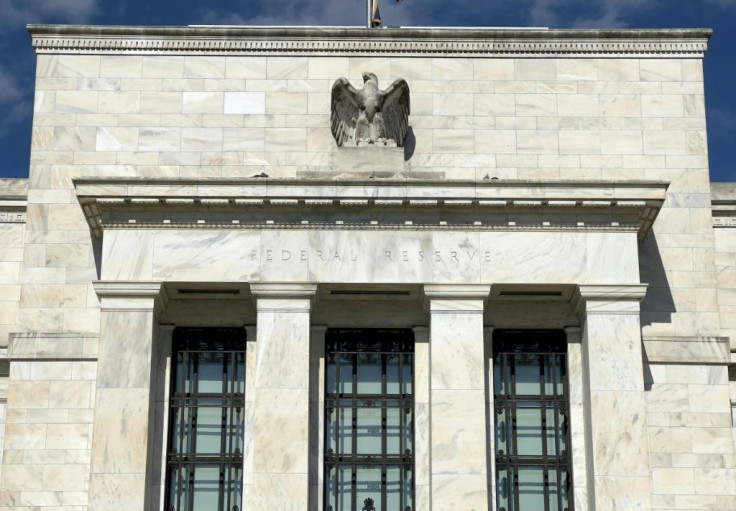
Federal Reserve Chair Kevin Warsh may be finding something increasingly rare inside the divided U.S. central bank: a reason for almost everyone to keep rates unchanged.
A run of softer inflation data combined with signs of a cooling labor market has weakened the case for raising interest rates at the Fed's September meeting. But inflation is still above the Fed's target and unemployment too low to make the aggressive rate cuts demanded by President Donald Trump an obvious alternative.
That leaves the Fed increasingly positioned to keep borrowing costs exactly where they are.
The central bank has held its benchmark federal funds rate at 3.5% to 3.75% since the beginning of the year. At its July meeting, policymakers voted 9-3 to maintain that range, with Cleveland Fed President Beth Hammack, Minneapolis Fed President Neel Kashkari and Dallas Fed President Lorie Logan dissenting in favor of a quarter-point increase.
But the economic picture has shifted since that vote.
The Bureau of Labor Statistics said Thursday that producer prices were unchanged in July from the previous month, defying expectations for another increase. Consumer inflation data released a day earlier also showed relatively muted price pressures, providing evidence that the inflation surge seen earlier this year may be losing momentum.
That matters because inflation had accelerated sharply after the U.S.-Israeli war with Iran pushed energy costs higher earlier in 2026. The Fed's preferred Personal Consumption Expenditures price index reached 4.1% in May before easing to 3.7% in June, still well above the central bank's 2% target.
The Fed itself has acknowledged that much of this year's inflation increase reflects supply shocks, particularly higher energy prices. Its July Monetary Policy Report said inflation remained elevated but described the labor market as broadly stable and noted only modest growth in household consumption.
Richmond Fed President Thomas Barkin suggested Thursday that the current level of interest rates may already be restrictive enough to bring inflation down without another increase.
Reuters reported that Barkin sees much of the recent inflation acceleration as stemming from shocks including tariffs, oil prices and the artificial intelligence investment boom — pressures that could eventually fade.
That argument has become more compelling as the labor market loses some momentum. Unemployment remains historically low at 4.1%, but job creation has been weak and inflation-adjusted wages have declined over the past six months.
The combination creates an uncomfortable balance for policymakers. Raising rates unnecessarily could further weaken employment and consumer demand just as inflation is beginning to cool. Cutting rates too quickly, however, could reignite price pressures that have already remained above the Fed's target for more than five years.
Warsh inherited that divide when he took over as Fed chair in May.
At the Fed's June meeting, policymakers unanimously kept rates unchanged, although several officials said they did not consider the current policy stance restrictive. Others viewed it as slightly restrictive, highlighting disagreement over how much pressure existing borrowing costs are actually putting on the economy.
By July, that disagreement had turned into three formal dissents in favor of higher rates.
The latest inflation numbers could make another hike harder to justify.
Governors Christopher Waller and Lisa Cook have both indicated that they could support higher rates if inflation failed to cool. With price pressures now showing signs of moderating, that condition may not be materializing as quickly as hawkish policymakers feared.
Hammack remains concerned that waiting too long carries its own risks.
The Cleveland Fed president has argued that allowing inflation to stay above 2% for years could change how businesses and consumers think about future prices. Once people begin expecting persistently high inflation, companies may raise prices and workers may demand higher wages in anticipation of it, making inflation harder and more expensive for the Fed to bring under control.
That credibility question could become the central argument for officials still favoring higher rates.
Financial markets, however, have moved sharply away from expectations for an immediate hike. Traders have largely abandoned bets on a September increase following the softer inflation and employment reports, although markets continue to see a significant chance that rates will be higher by the end of the year.
The next major decision arrives Sept. 15-16, when Fed officials will also publish updated economic and interest-rate projections.
Trump will be watching closely.
The president has repeatedly demanded substantially lower rates and criticized Fed policymakers who have resisted cuts. Warsh, meanwhile, has largely avoided signaling which direction he believes rates should move next.
His public comments since taking over have instead emphasized restoring price stability. In congressional testimony last month, Warsh said policymakers had "no tolerance for persistently elevated inflation" while acknowledging the need to correctly assess rapidly changing economic conditions.
© Copyright IBTimes 2026. All rights reserved.