Hostilities Climb Further In The Middle East With No Signs Of De-escalation. Oil Is Jumping More.
A meeting between Gulf countries to reopen the Strait of Hormuz has been postponed, according to the Omani foreign minister.


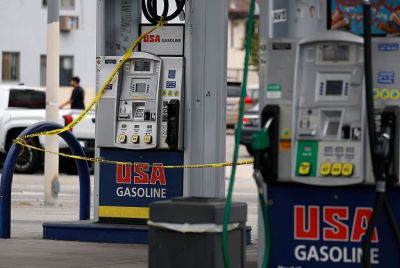
Oil prices keep rising on Monday as hostilities in the Middle East show no signs of de-escalation and a meeting between Gulf countries to discuss the reopening of the Hormuz Strait was postponed.
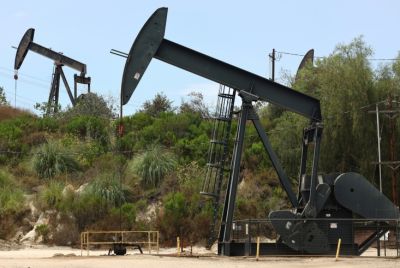
Brent crude, the international benchmark, gained more than 3.5% and clocked in at $108.35 per barrel at 7:44 a.m. ET, while West Texas Intermediate, the U.S. benchmark, climbed 3.20% and stood at $103.25 per barrel at the same time.
Omani Foreign Minister Badr Albusaidi said on Sunday that "In the interests of consensus the regional meeting set for tomorrow in Salalah has been postponed."
In the interests of consensus the regional meeting set for tomorrow in Salalah has been postponed. We remain committed to fostering dialogue that supports stability and lasting cooperation in our region 🇧🇭 🇮🇷 🇮🇶 🇰🇼 🇴🇲 🇶🇦 🇸🇦 🇦🇪
— Badr Albusaidi - بدر البوسعيدي (@badralbusaidi) September 13, 2026
"We remain committed to fostering dialogue that supports stability and lasting cooperation in our region," the minister added. He did not specify whether a new date had been set.
A regional source with knowledge of the matter told CNN that diplomats hoped the meeting would create momentum for a potential deal even if countries still don't fully agree on a framework that could ultimately allow Iran and Oman to collect fees for passage.
However, Saudi Arabia had submitted amendments to the framework over concerns that it could a new status quo that wouldn't be acceptable to other countries. While mandatory fees are rejected, there was willingness to consider voluntary contributions.
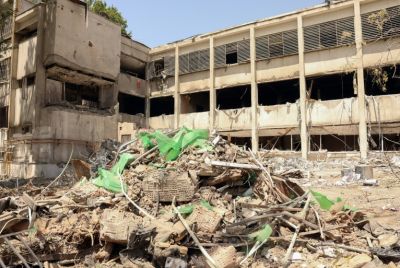
Also threatening the flow of oil through the Middle East is Saudi Arabia's shutting down of the East-West pipeline after receiving multiple hits. Citing industry participants, Reuters detailed that if the country doesn't manage to restart it within days, 4% of the global oil supply could be lost.
One source told the outlet that repairments could take as long as five or six weeks if no more damage is sustained, while another one said it could be fixed sooner and partial pumping could begin in the meantime.
Riyadh shut down the pipeline on Friday. Citing an official source at the Ministry of Energy, the country said that the attacks "resulted in a number of injuries, and medical care was provided to those affected."
"The source said emergency and specialised technical teams responded immediately following the attacks, taking the necessary measures to secure the pipeline and assess its safety in line with approved safety procedures and emergency response plans, in coordination with the relevant authorities," the document added.
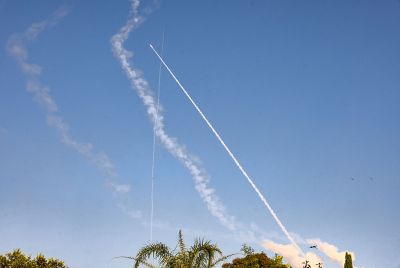
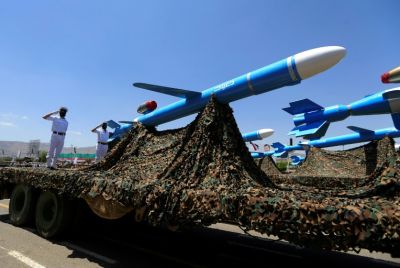
The development marks another major threat to Riyadh's oil exports, as Iran is preventing most ships from transiting through the Strait of Hormuz, and the Houthis have declared an embargo of Saudi oil in the Red Sea, targeting its ships in the waterway and striking energy infrastructure.
The Houthis also reached the island of Perim in the Bab el-Mandeb Strait last week, a breakthrough that could help the group tighten its grip on the key shipping lane.
© Copyright IBTimes 2026. All rights reserved.
- Recommended For You