

Iran Again Targeted The UAE With Missiles. Abu Dhabi Now Suspended Trade With Tehran.
Both missiles failed to cause any damage or casualties, but marked a return to active conflict after more than three months.

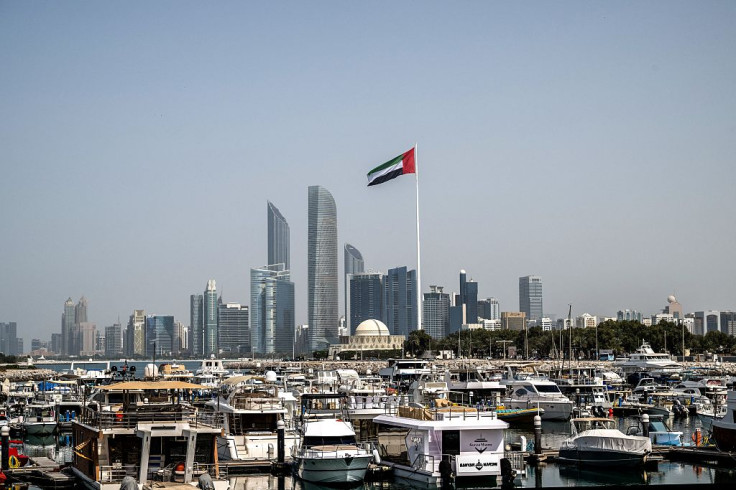
The UAE suspended trade relations with Iran after Tehran again launched missiles at the country.
Abu Dhabi claimed the two missiles launched by Tehran failed to cause any damage or casualties, but marked a return to active conflict after more than three months.
The UAE justified the measure saying it was a result of "regional escalations that undermine regional and international peace and security."
Iran, in turn, rejected having launched the missiles at the country.
Another report described Tehran's calculations depending on whether the U.S. escalates again.
FT detailed on Wednesday that Tehran has considered targeting U.S. assets in Europe should Washington escalate hostilities.
Citing Iranian insiders with knowledge of deliberations, the outlet noted that Bulgaria and Cyprus could be targeted. The assessment came after Bulgaria approved the use of one of its air bases for U.S. refueling aircraft.
The country has also considered targeting subsea fiber-optic cables in the Strait of Hormuz.
Another recent report claimed that Iranian leadership is taking steps to widen the war with the U.S. and Israel.
The Wall Street Journal cited Arab intelligence officials who claim that Tehran is seeing a "strategic shift" and have begun taking steps to "get their forces ready to widen the war."
The steps include ramping up drone and missile production, as well as conversations with proxies in Iraq, Yemen and Lebanon to escalate conflicts elsewhere in the region.
One example was the providing of a list of Saudi targets to Yemen's Houthi rebels, the report added. The Iranian revolutionary guard has also sent neighbors a list of energy facilities that it said will strike if hostilities escalate again.
The Trump administration, however, seems to be focusing on economic pressure, with Treasury Secretary Scott Bessent saying last week that the U.S. will apply economic measures "that have never been seen on Iran."
Speaking to Newsmax, Bessent said the tactic "will be a combination of economic isolation like the world has never seen before, and the continued blockade in the Strait of Hormuz that will keep anything from going in or out of the Iranian ports." He did not elaborate further, only saying "just watch this space."
At the same time, another report detailed that the U.S. Army is considering pulling back troops from the Middle East as the impact of the Iran war becomes increasingly evident.
The Washington Post claimed that the Defense Department has already signaled it might not rebuild struck bases as they were before the war began.
© Copyright IBTimes 2026. All rights reserved.