Iranian Leadership Rejected There Are Ongoing Talks With The U.S.; Trump Is Calling Them Out
"Whether Iran wants to admit it or not, we are, in fact, talking of a solution," Trump said.


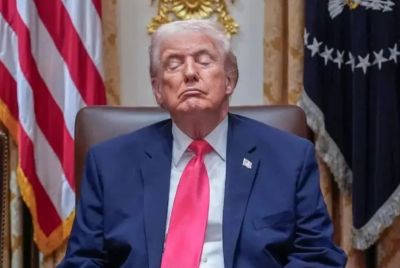
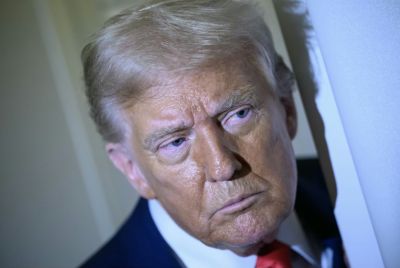
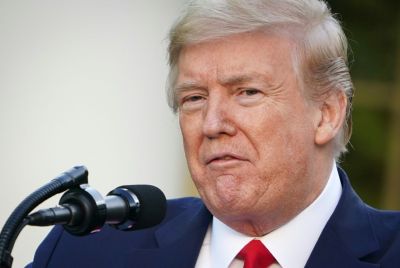
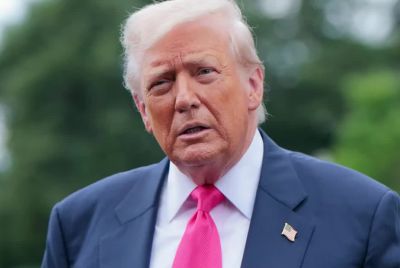
President Donald Trump on Monday accused Iranian leadership of being "unbelievably duplicitous" after a top official denied the country had requested talks with the U.S. as tensions between the countries continue.
In a social media post, Trump claimed that officials are seeking meetings with the country, and there are even "more scheduled in the immediate future," but then "they say, openly and proudly, that they're not having any discussions, that nothing is being talked about, and they're only dealing with 'Oman.'"
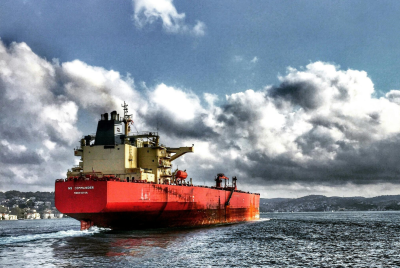
He went on to say that officials then "they then go on to give their usual blather in saying, the Strait of Hormuz will be operated powerfully by them, when it is already completely controlled by the United States Navy and our 'Blockade' or, as some say, 'The United States Wall of Steel!'"
"Nothing gets through to Iran, unless we want it to, and nothing will get through, unless a Deal, or Total Surrender, is accomplished. Whether Iran wants to admit it or not, we are, in fact, talking of a solution to a problem that they have caused, for decades. It is very simple, IRAN WILL NEVER HAVE A NUCLEAR WEAPON!" Trump added.
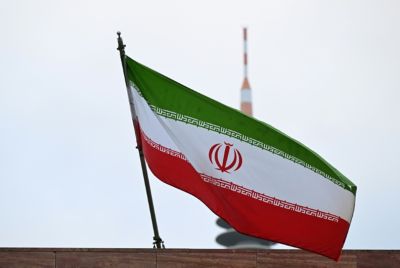
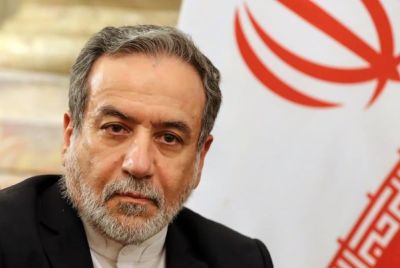
The publication comes hours after Iranian foreign ministry spokesperson Esmail Baghaei rejected there are ongoing talks, saying the country had only discussed navigation through the Strait of Hormuz with Oman.
Baghaei claimed that the countries are engaging in an effort to "determine, at the earliest opportunity and in consultation with Oman, a route that is naturally temporary and based on which the safety of navigation through the Strait of Hormuz can be ensured."
"This agreement (with Oman) is solely about the mechanism and future shipping route while preserving the sovereign rights of both countries and has no connection to whether the Strait of Hormuz is open or closed," he added.
The spokesperson noted that the route being discussed would be temporary and be a single corridor, rather than two. "Whether this stage and this process can be connected to another process that leads to a reduction of tensions in the region, we must wait and see," he said.
© Copyright IBTimes 2026. All rights reserved.
- Recommended For You