

News Corp Is Suing Brave Over AI Scraping As a New Internet Battlefield Emerges
The publisher alleges the browser company bypassed restrictions to scrape and monetize copyrighted journalism without permission.

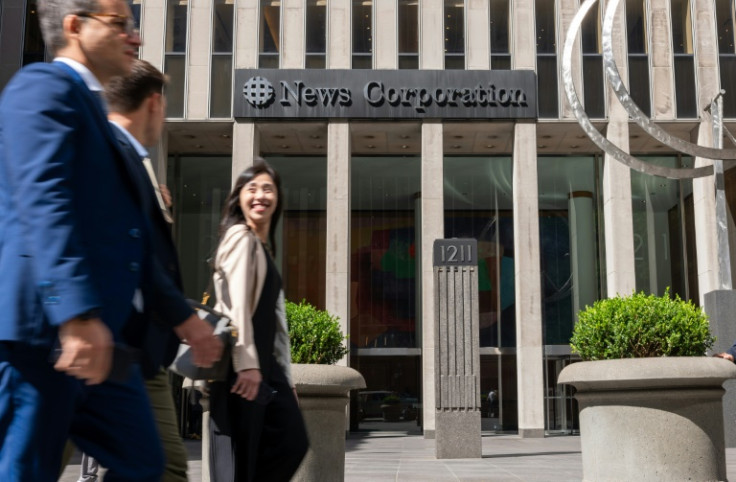
News Corp has sued Brave AI, alleging the privacy-focused browser company scraped copyrighted journalism and sold it to artificial intelligence companies without authorization.
The lawsuit, filed Tuesday, claims Brave disguised its web crawlers to bypass publisher restrictions and delivered "verbatim or near verbatim" summaries of News Corp content before March 2025, according to Press Gazette. News Corp alleged that the material was used in products that compete directly with the publisher's own content licensing business.
"Companies like Brave incorporated copyrighted works into their products and services to generate revenue for themselves, all while destroying the incentive for anyone to ever pay the very publishers who produced the content that Brave has monetized," the lawsuit states.
The legal action follows a separate lawsuit filed by Brave against News Corp in February after receiving a cease-and-desist letter. Brave argued that indexing website content is essential to operating a search engine and accused News Corp of attempting to "bully Brave out of the market" on behalf of larger technology companies.
News Corp Chief Executive Robert Thomson described Brave as "content crooks and brand brigands" and accused the company of profiting from journalists' work without obtaining licenses.
"They have shamelessly stolen and then perfidiously profited from that pilfering by illicitly fencing our journalists' work," Thomson said in a statement cited by Press Gazette.
The case adds to a growing list of legal disputes between publishers and AI companies over the use of copyrighted content. Press Gazette's latest industry tracker includes lawsuits involving CNN, The New York Times, Chicago Tribune, Encyclopedia Britannica, Merriam-Webster, Yomiuri Shimbun, and groups representing hundreds of local U.S. newspapers.
Among the largest recent cases, more than 30 U.S. local newspaper publishers that collectively own nearly 400 titles sued OpenAI and Microsoft in June, alleging the unauthorized use of their journalism in ChatGPT and Microsoft Copilot, according to Bloomberg Law.
CNN filed its first lawsuit against Perplexity in May after the two sides failed to reach a licensing agreement. The New York Times, meanwhile, continues to pursue its copyright case against OpenAI and Microsoft, which was first filed in December 2023.
At the same time, several publishers have signed commercial agreements with AI companies. News Corp entered a multi-year deal with Meta earlier this year worth up to $50 million annually, allowing Meta's products to use archive content and retrieve new information from News Corp publications, according to The Wall Street Journal, as cited by Press Gazette.
Other recent agreements include Microsoft's partnership with Australia's Nine Entertainment, OpenAI's deals with The Washington Post, Axios, Time and Hearst, and Amazon's content agreements with Reach, Conde Nast, and Hearst.
OpenAI has previously said its models are trained on publicly available data and are grounded in fair use principles. Perplexity has argued in public statements that facts themselves are not protected by copyright laws, according to Reuters.
© Copyright IBTimes 2026. All rights reserved.