

Trump Has Now Struck Drug Pricing Deals With 26 Companies. They Cover Nearly 90% Of The Branded Drug Market.
Nine midsize drugmakers joined the White House program and pledged at least $19.6 billion in U.S. manufacturing investments.

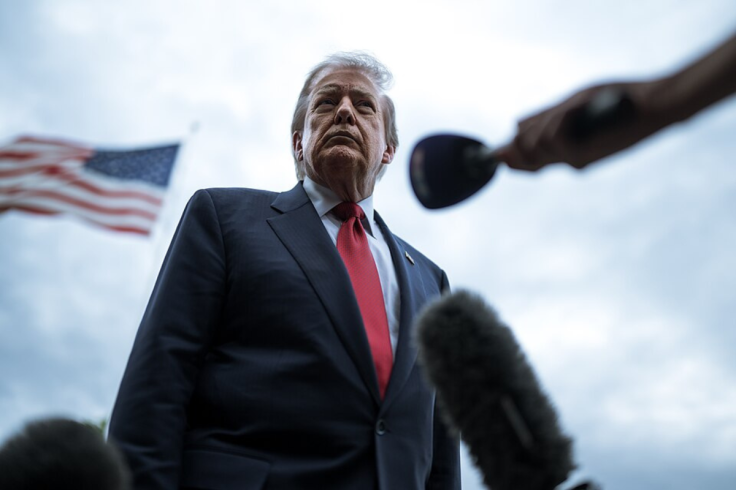
President Donald Trump has expanded his push to lower prescription drug prices with agreements involving nine additional pharmaceutical companies, bringing 26 manufacturers into a program that the administration says now covers 89% of the U.S. branded drug market.
The latest agreements involve Alcon, Astellas Pharma, BeOne Medicines, BridgeBio, CSL, Kyowa Kirin, Sun Pharma, Teva Pharmaceuticals and UCB, the White House said. The companies agreed to provide state Medicaid programs access to "most-favored-nation," or MFN, prices on certain medicines, tying U.S. prices more closely to those paid in other developed countries.
Medicines covered by the agreements are used to treat conditions including hemophilia, Parkinson's disease, macular degeneration, glaucoma, liver disease, skin disorders and several cancers. Future innovative drugs launched by the companies in the United States will also be offered at MFN prices, according to the administration.
The nine manufacturers have also committed at least $19.6 billion toward U.S. manufacturing, while four companies will contribute pharmaceutical ingredients to a federal strategic reserve. UCB will donate 163 tons of the seizure medicine ingredient levetiracetam, while Sun Pharma, Teva and Astellas will provide ingredients used in antibiotics, blood-pressure drugs and transplant medicines, the White House said.
The agreements extend a program that initially focused on the industry's biggest manufacturers, including Pfizer, Eli Lilly, Novo Nordisk, Johnson & Johnson, Merck and AbbVie. Trump began pressing major pharmaceutical companies in 2025 to bring U.S. prices closer to those charged overseas, and the administration had secured agreements with 17 large manufacturers by April.
Smaller and midsize companies had been more reluctant to participate because of concerns about how international price comparisons could affect their finances and investment in new medicines. Axios reported that the administration had been pushing those manufacturers to join the same pricing framework already accepted by larger drugmakers.
While the administration says the agreements will produce substantial savings, many of their financial terms have not been publicly disclosed. STAT reported that it remains unclear how much the latest deals will reduce costs or improve access, noting that Medicaid already receives substantial discounts on prescription medicines and that Teva and Sun Pharma have large generic-drug businesses.
Reuters also noted that limited public information about the agreements makes their eventual impact difficult to measure. The administration has estimated its broader MFN program will save federal and state governments $64.3 billion through Medicaid over a decade, while critics have questioned whether the announced agreements will deliver the savings claimed.
Separate federal drug-pricing changes are already taking effect through Medicare. The Centers for Medicare & Medicaid Services said manufacturers of all 15 drugs selected for the third cycle of Medicare price negotiations agreed in March to participate in that program.
Trump is now urging Congress to enact his broader health care plan and put elements of the administration's drug-pricing strategy into law. The White House said the nine latest agreements raise the number of MFN manufacturers from 17 to 26.
© Copyright IBTimes 2026. All rights reserved.