

Novo Nordisk Says Eli Lilly Used Misleading Weight Loss Drug Advertising. It’s Suing
The lawsuit is a new chapter in the increasingly fierce rivalry between the world's two largest makers of GLP-1 medications.

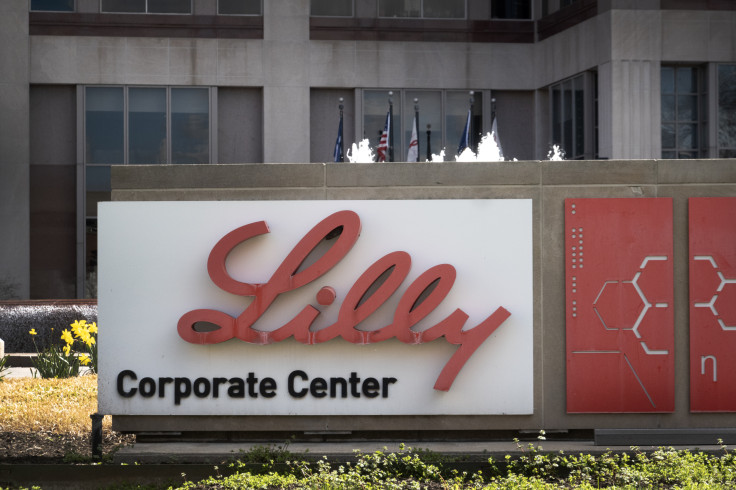
Novo Nordisk has escalated its battle with chief rival Eli Lilly by filing a federal lawsuit accusing the U.S. drugmaker of running a misleading advertising campaign that exaggerates the superiority of its blockbuster weight loss and diabetes medications over Novo's competing treatments.
The lawsuit, filed Tuesday in the U.S. District Court for the District of New Jersey, alleges that Eli Lilly violated federal and state false advertising laws by promoting "knowingly outdated clinical trial" results that compare its drugs, Zepbound and Mounjaro, against lower-dose versions of Novo Nordisk's Wegovy and Ozempic. Novo argues that the advertisements fail to reflect more recent data and newly approved higher doses of Wegovy that significantly improve weight loss results.
The legal action marks a new chapter in the increasingly fierce rivalry between the world's two largest makers of GLP-1 medications, a class of drugs that has transformed the treatment of obesity and Type 2 diabetes while creating one of the pharmaceutical industry's fastest-growing markets.
According to the complaint, Lilly's nationwide television, digital and print advertising campaign compares the highest approved doses of Zepbound and Mounjaro with older, lower-dose versions of Wegovy and Ozempic, leading consumers to believe Lilly's products deliver substantially greater weight loss and blood sugar control than they actually do relative to Novo's latest offerings.
Novo contends that those comparisons are no longer accurate because the U.S. Food and Drug Administration approved a higher 7.2-milligram dose of Wegovy earlier this year. The Danish pharmaceutical company says newer clinical data show patients receiving the updated dose experienced weight loss much closer to the results achieved with Lilly's Zepbound than the advertisements suggest.
The company also alleges it attempted to resolve the dispute before filing suit. According to court filings, Novo "wrote to Lilly to demand that Lilly cease running its misleading comparison." Novo claims Lilly instead "added a small, ineffectual disclaimer to its Zepbound® ads stating that the trial did not include 'Wegovy 7.2 mg.'"
Novo is asking the court to order Lilly to stop using the challenged advertisements, launch a corrective advertising campaign and surrender profits allegedly earned through the disputed marketing. The lawsuit also seeks unspecified monetary damages.
In their own statement reported by Reuters, Lilly said it stands behind its advertising and the scientific evidence supporting its products. Lilly said its promotional materials rely on results from the SURMOUNT-5 clinical trial and accurately reflect available data comparing the medications. The company indicated it intends to continue promoting those findings and that the lawsuit aims to "stop Lilly from communicating the results of that trial."
Competition between the two pharmaceutical giants is intensifying across multiple fronts. Novo pioneered the modern obesity drug market with Wegovy and Ozempic, but Lilly has rapidly gained market share with Zepbound and Mounjaro, whose active ingredient, tirzepatide, has shown strong clinical results in helping patients lose weight.
Both companies are also racing to expand into oral GLP-1 therapies and broader international markets while defending their brands against compounded versions of their medications and lower-cost competitors.
Industry analysts estimate the global obesity drug market could exceed $100 billion annually by the end of the decade, making advertising and market positioning increasingly important as insurers, physicians and patients weigh treatment options.
© Copyright IBTimes 2026. All rights reserved.