Trump Rejects Deal To Reopen Strait Of Hormuz. Iran Says It Will Wait For Confirmation.
Trump has said that the deal is unacceptable and claimed that the U.S. controls the Strait and its oil supply, but the Iranian Foreign Minister revealed that Iran would wait for official confirmation of the rejection.


President Donald Trump rejected a proposal by Iran to open the vital Strait of Hormuz to commercial shipping in exchange for the U.S. lifting oil sanctions on Iran, releasing frozen Iranian funds and ending its naval blockade of Iranian ports.
"They want to make a deal where they open the straight immediately because they're losing so badly ... we are winning tremendously. We have total control of the Hormuz Strait, massive amounts of oil are coming out of the Hormuz Strait", Trump told reporters on Saturday.
"That deal would not be acceptable", the president continued.
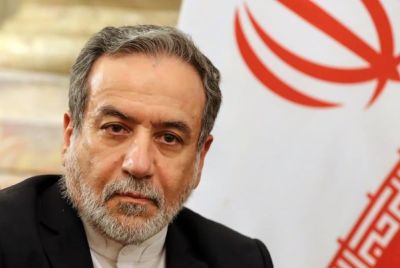
The deal was announced by Iranian Foreign Minister Abbas Araghchi at the United Nations General Assembly (UNGA) on Friday. Araghchi clarified that, once the U.S. accepted, a seven-day countdown to the reopening of the Strait of Hormuz and the recommencement of bilateral peace talks would begin.
Despite the apparent rejection of the deal, Araghchi wrote in a Telegram post on Saturday that the Iranians had "seen the first reaction from the US President" but would wait "for the mediators to convey their definitive opinions to us" before making any decisions about the negotiations.
"The US President has also made many contradictory statements", Araghchi claimed.
Araghchi further reiterated Iran's openness to negotiation on the basis of the terms outlined in the UNGA deal in an interview with NBC on Sunday, but also warned the U.S. that the Middle Eastern country was prepared for a protracted conflict.
"We are fully prepared for the war to be resumed. I repeat, we stand firm in the face of any new aggression, even if it comes to a doomsday war. But, at the same time, we stand ready for diplomacy. It is up to President Trump to choose" Araghchi told NBC.
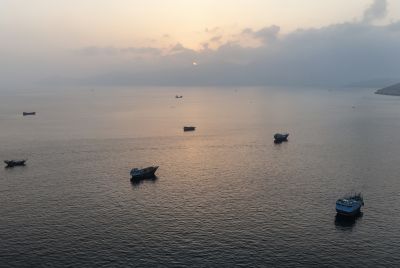
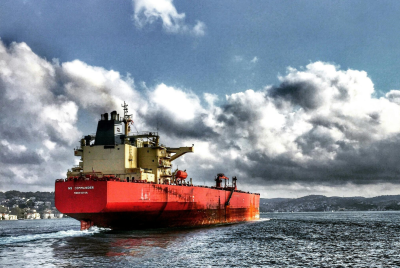
The war between the U.S. and Iran, which began at the end of February, will hit the seven-month mark on Monday. The Strait of Hormuz, a narrow waterway between the Persian Gulf and Gulf of Oman which serves as the world's most important oil transit chokepoint, has effectively been shut off since the start of hostilities.
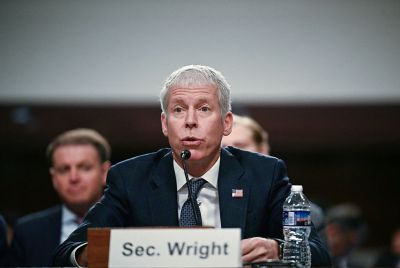
In peacetime, ships carrying about 20% of the world's oil supply - roughly 20 million barrels a day - traversed the Strait. Energy Secretary Chris Wright told Fox News in an interview on Sunday that ,on average, nearly 13 million barrels are now crossing the waterway every day.
However, Reuters reported on Friday that 33.7 million barrels had left the Strait of Hormuz in the week commencing September 20th, which would amount to less than 7 billion barrels a day.
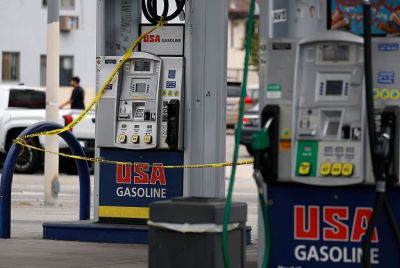
Global oil prices have skyrocketed in tandem with the conflict. Brent crude, the global price benchmark for oil, has reached levels not seen since the beginning of the Russia-Ukraine war in February 2022 as a result of the hostilities in the Middle East.
Brent fell on Friday to approximately $104.5 a barrel after news of the seven-day deal proposal was announced, but will likely rise again next week if Trump follows through on his vow to reject the Iranian offer.
© Copyright IBTimes 2026. All rights reserved.
- Recommended For You