

Trump Reportedly Considering Limited Air Strikes on Iran
Trump told reporters that he was considering a limited strike on Iran to pressure them into a nuclear deal.

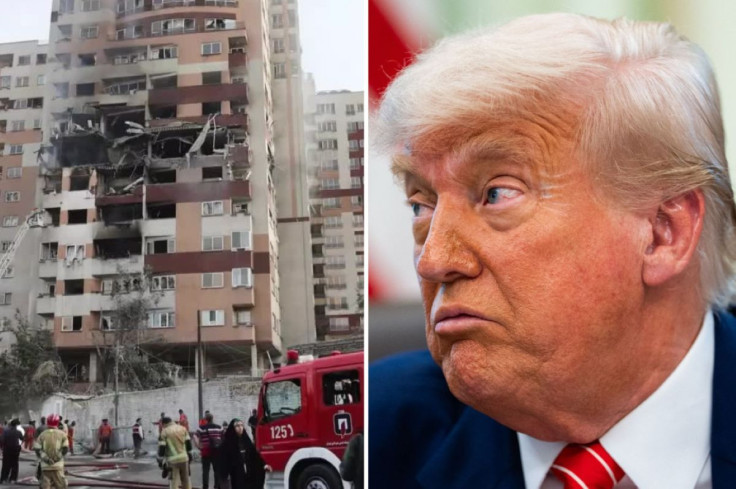
On Friday, President Donald Trump said that he's considering a limited U.S. military strike on Iran, while speaking with reporters at the White House. The move would mark a significant escalation of tensions with Tehran as American military presence builds up in the region.
As an event at the White House ended, a reporter took the chance to ask the President the question, "Mr. President, are you considering a limited military strike to pressure Iran into a deal?" to which Trump responded, "I guess I can say, I am considering it." The response was met with rupturous laughter by those in the room.
The president's comments reflect growing frustration with slow progress on negotiations aimed at limiting Iran's nuclear program. U.S. officials have insisted for months that Tehran must make significant concessions, yet Iran has so far resisted broader demands, including restrictions on missile development and support for regional proxy forces.
Despite the consideration of military action, Trump has also signaled that he still prefers diplomacy if a deal can be finalized, stating that the U.S. is giving Iran roughly 10 to 15 days to reach an agreement before further action is taken, or "bad things will happen."
Trump's comments came as the United States continues to amass military assets across the Middle East. Major naval vessels, including carrier strike groups such as the USS Gerald R. Ford, have been redirected to the region in a show of force, alongside fighter jets and other warplanes. Analysts say the movement of aircraft and warships expands U.S. options for possible strikes, though no order for offensive operations has yet been given.
On the diplomatic front, an Iranian official in Geneva indicated optimism over talks, suggesting a proposed deal might be finalized "within a few days." Still, Tehran and Washington remain far apart on key issues, particularly around uranium enrichment and the scope of oversight on Iran's nuclear facilities.
Iran's response to the threat of military action has been firm. In a letter to the United Nations Secretary-General, Tehran warned that it would respond "decisively" to any act of aggression, framing U.S. rhetoric as a genuine risk of conflict and emphasizing its willingness to defend its territory. Tehran's letter said any bases or assets of a hostile force in the region would be considered legitimate targets if attacked.
Some U.S. lawmakers have expressed concern about the constitutional authority for military action, introducing resolutions that would require Congressional approval before launching strikes. Those measures face an uphill battle in the Republican-controlled Congress but highlight political unease over unilateral executive action.
© Copyright IBTimes 2026. All rights reserved.