

United Airlines’ Fuel Bill Jumped 62% In One Year. Now It’s Cutting Its 2026 Profit Outlook.
The carrier expects to pay $4.80 per gallon for jet fuel in the fourth quarter, up from $3.90 in the previous three months.

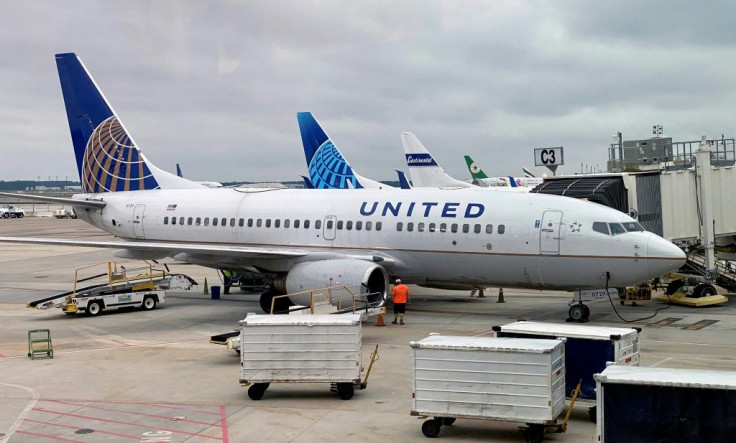
United Airlines' fuel expenses surged nearly 62% in the third quarter, adding about $1.8 billion to its costs and forcing the carrier to sharply lower its earnings expectations for the rest of 2026, even as higher airfares and strong travel demand pushed revenue to a record.
The Chicago-based airline said that it expects adjusted earnings of between 50 cents and $1.50 per share in the fourth quarter, below the $1.76 analysts had expected, according to LSEG estimates.
The forecast puts United on course to finish the year well below its earlier profit target. In July, the carrier had projected full-year adjusted earnings of $9 to $11 per share, according to its second-quarter investor update filed with the Securities and Exchange Commission. However, its stock is climbing on Wednesday, gaining more than 4% at 11:24 a.m. ET.
United's latest investor update projects an average fuel price of approximately $4.80 per gallon in the final three months of the year. The assumption is based on the Gulf Coast jet fuel futures market as of Oct. 16 and represents a roughly 23% increase from the third-quarter average.
The airline's fuel bill totaled $4.84 billion between July and September, compared with approximately $3 billion during the same period last year. Fuel consumption increased just 0.8%, indicating that higher prices, rather than a substantial increase in flying, accounted for nearly all of the additional expense.
The average price paid for jet fuel climbed from $2.43 to $3.90 per gallon over that period, according to United's third-quarter financial results.
United reported $17.88 billion in operating revenue for the three months ended Sept. 30, up 17.4% from $15.23 billion a year earlier. The figure was slightly below the $17.9 billion analysts had expected.
The airline carried 49.5 million passengers during the quarter, an increase of 2.4% from the previous year, while total flight capacity expanded by just 1.3%.
Passenger revenue rose 17.6% to $16.24 billion, with domestic passenger revenue per available seat mile increasing 14.5%. The equivalent measure for international routes climbed 17.4%, reflecting stronger revenue generated from the seats the airline made available.
Demand extended across different parts of United's business. Premium cabin revenue increased 17%, while Basic Economy revenue rose 16% and contracted corporate travel revenue climbed 26%. The carrier also reported a 17% increase in loyalty revenue and a 23% increase in cargo revenue, providing additional income beyond passenger ticket sales.
United CEO Scott Kirby told CNBC in an interview Wednesday that the airline was recovering approximately 72% of the increase in oil costs through higher fares and wanted that figure to approach 100%.
The company had previously said it expected to recover between 80% and 90% of its higher third-quarter fuel expenses, with full recovery anticipated in the fourth quarter.
Despite its stronger sales, United's adjusted pretax profit margin narrowed to 6.2% from approximately 8% a year earlier. Adjusted net income fell to $833 million, equivalent to $2.54 per share, compared with the $2.57 analysts expected. The carrier earned an adjusted $2.78 per share in the same quarter of 2025.
United is not alone in facing higher energy costs. Delta Air Lines has also lowered its profit expectations as jet fuel prices increased, while Alaska Air has warned of additional fuel expenses affecting its financial performance.
For the final quarter, United expects revenue growth to accelerate beyond 20% from a year earlier, potentially setting another company record. It also anticipates slower growth in operating costs excluding fuel compared with the third quarter.
© Copyright IBTimes 2026. All rights reserved.