US Mulls Massive Strikes. Iran Hints At Retaliation Plan
The reports about another wave of strikes being planned gained traction after diplomatic officials issued warnings to American citizens in the Middle East.

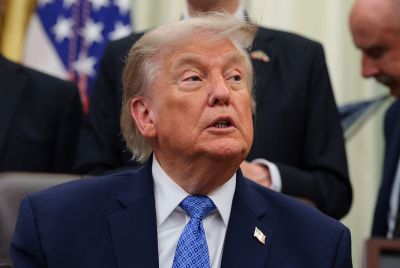
The US is planning fresh strikes on Iran with President Donald Trump signaling that Tehran will be hit hard.
Iran also seems to be in no mood to go back to the negotiating table, as it launched drone attacks early Saturday on Kuwait.
A tanker attack was also reported off the coast of Oman near the Strait of Hormuz, according to the UK's maritime agency. The strike has not been claimed by anyone.
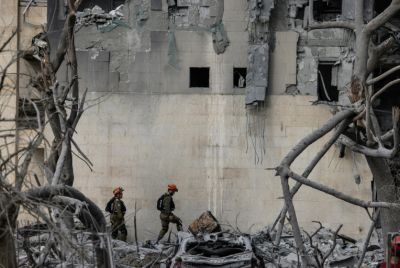
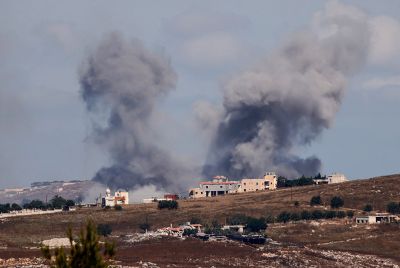
Israeli carried out strikes in a Palestinian enclave just 48 hours after Trump claimed a potential breakthrough in Israel-Hamas peace efforts.
The reports about fresh US strikes being planned gained traction after diplomatic officials issued warnings to American citizens in the Middle East.
Frustration is also growing among US allies in the Middle East. Saudi Arabia's Defense Minister Khalid bin Salman arrived on an unannounced visit to Washington to convey that it wanted a de-escalation the Iran war. It believes a protracted conflict carries major risks.
Israeli Prime Minister Benjamin Netanyahu has told Trump that diplomacy with Iran would not work. Netanyahu also discussed options for pressuring Iran, and advocated a full-scale war.
These differing viewpoints are putting Trump in a fix on the trajectory of war.
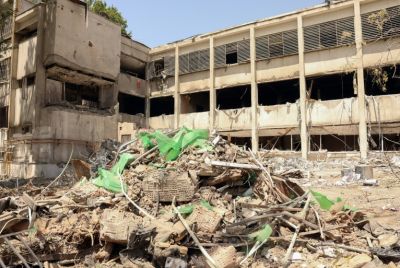
Tehran is also chalking out a retaliation plan after reports emerged that the US and Israel are planning heavy attacks against civilian infrastructure in Iran.
Major General Ali Abdollahi, head of Iran's military command, said on Saturday the US is "moving at an accelerating pace to fan the flames of a full-scale regional war," Al Jazeera reported.
He said Iran's neighboring countries were being used by the US by tapping their "capital, resources and infrastructure." The insinuation was that the US is deploying these as a shield to protect its interests, which in turn is strengthening Israel's war machine.
Trump is yet to give the go ahead for a massive strike on Iran. Reports suggest the planned operation may last for nearly two weeks. It would target electricity across Iran's capital, Tehran, and aim to carry out disruptions across the country.
Another potential worry for the Trump administration is a reported depletion of its ammunition.
The Middle East conflict this year has reportedly depleted the inventory of missile interceptors of the US. The US military's arsenal now reportedly has only less than 1,000 Patriot inventories, with THAAD stocks reportedly below 250.
Joint Chiefs Chairman Gen. Dan Caine had reportedly raised the issue with Trump last month. Caine told Trump that while available options could succeed, they carried risks worth weighing, according to a source familiar with the matter and a U.S. official.
Iran has also said that continued US military strikes and a naval blockade would deteriorate the situation in the Strait of Hormuz and other waterways. The contentious chokepoint, through which a fifth of world's energy and oil shipments were routed before the conflict, has been closed by Iran.
The closure has led to a spike in oil prices, stoking inflation across the world. This is also likely to impact the November midterm elections in the US, though Trump has dismissed the idea that this could sway his view of the war's trajectory.
© Copyright IBTimes 2026. All rights reserved.
- Recommended For You