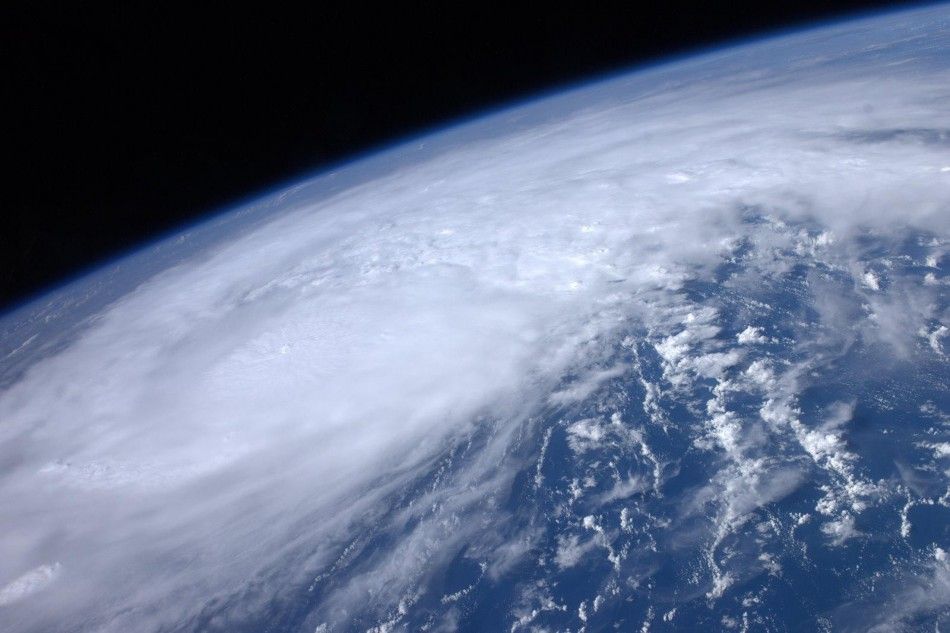
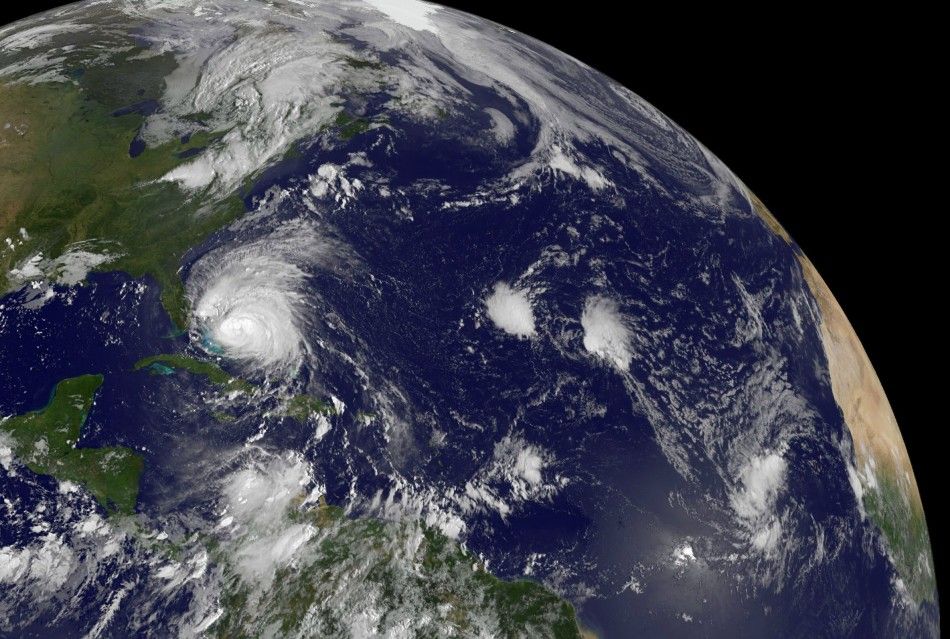
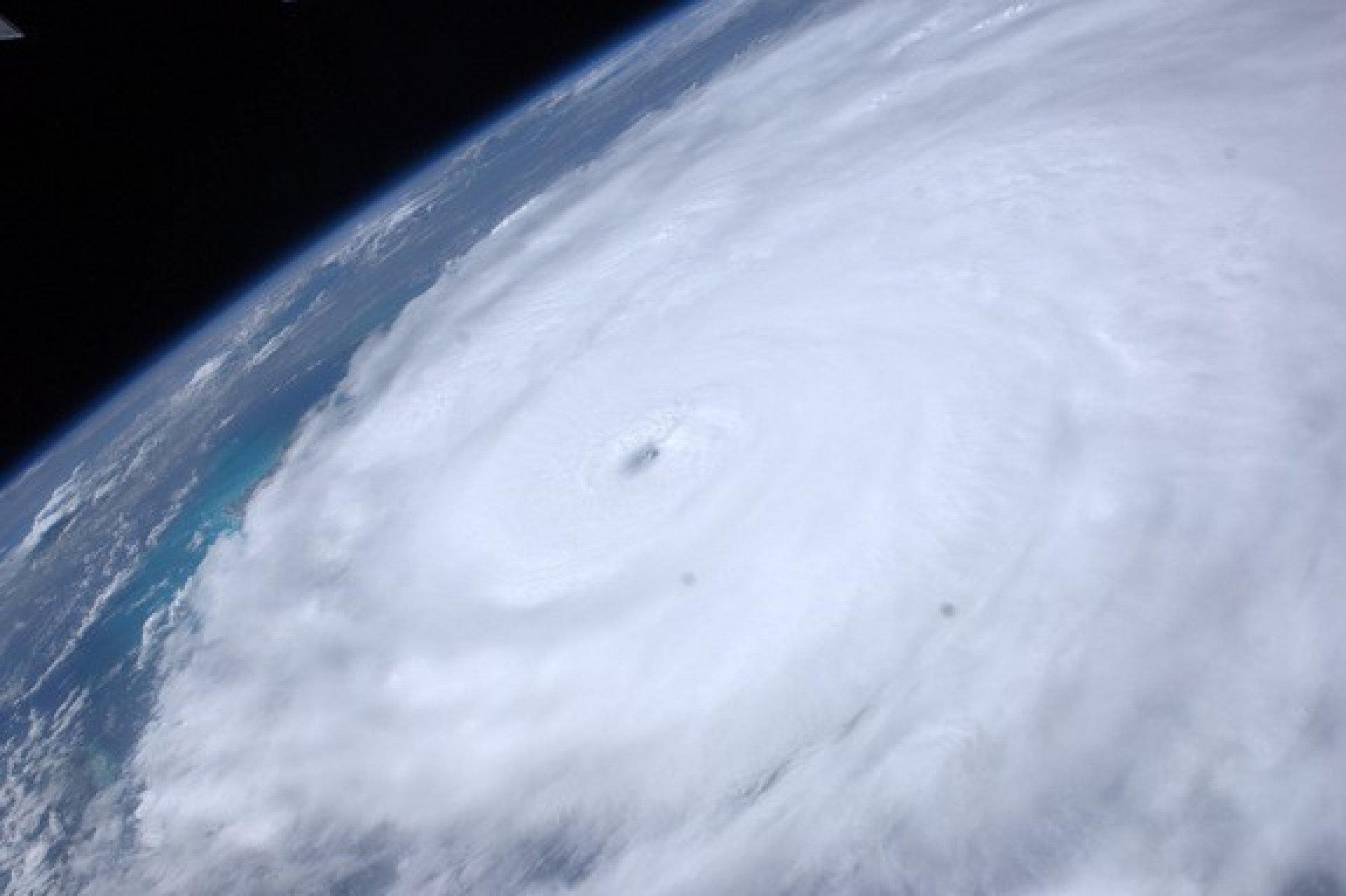
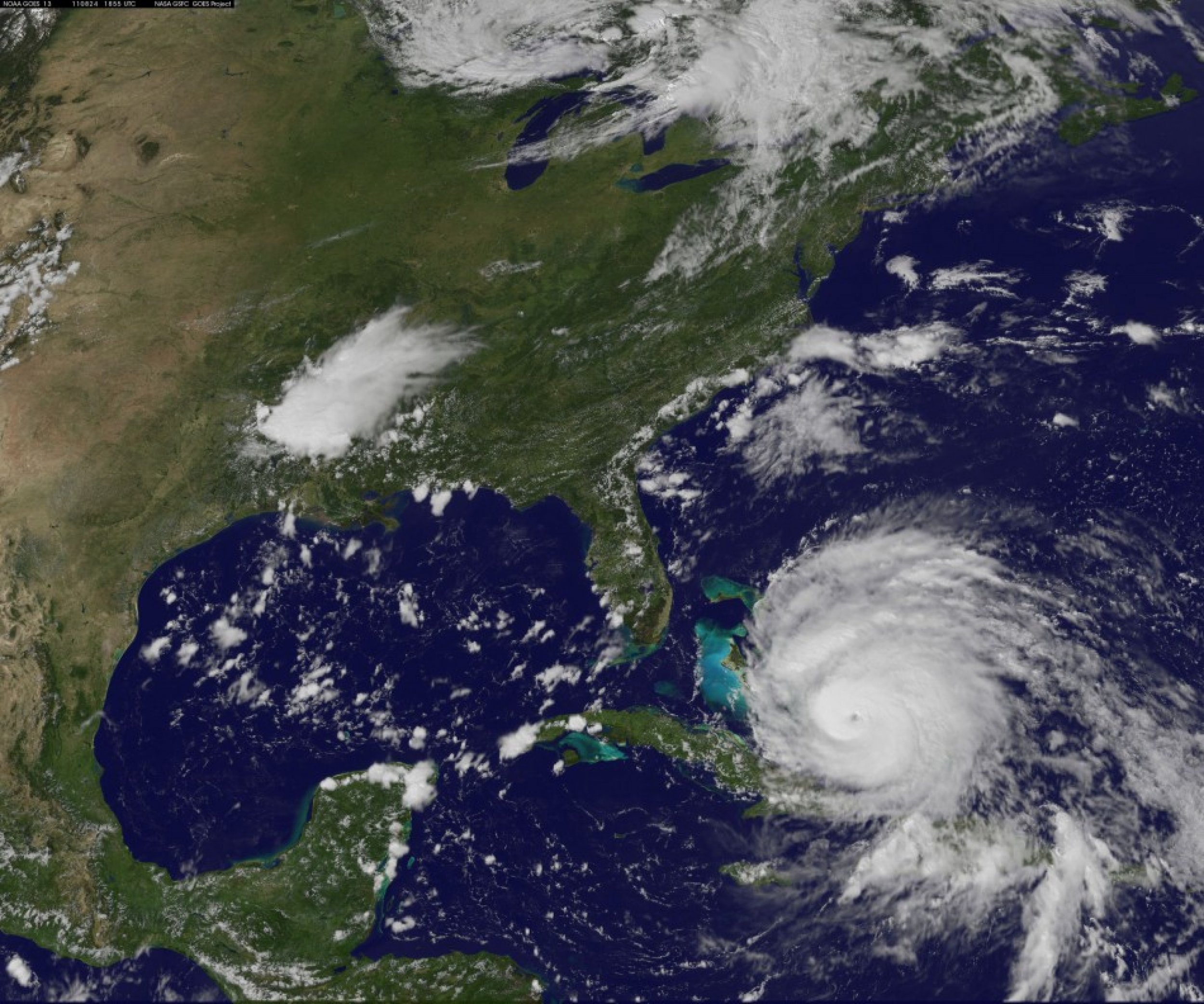
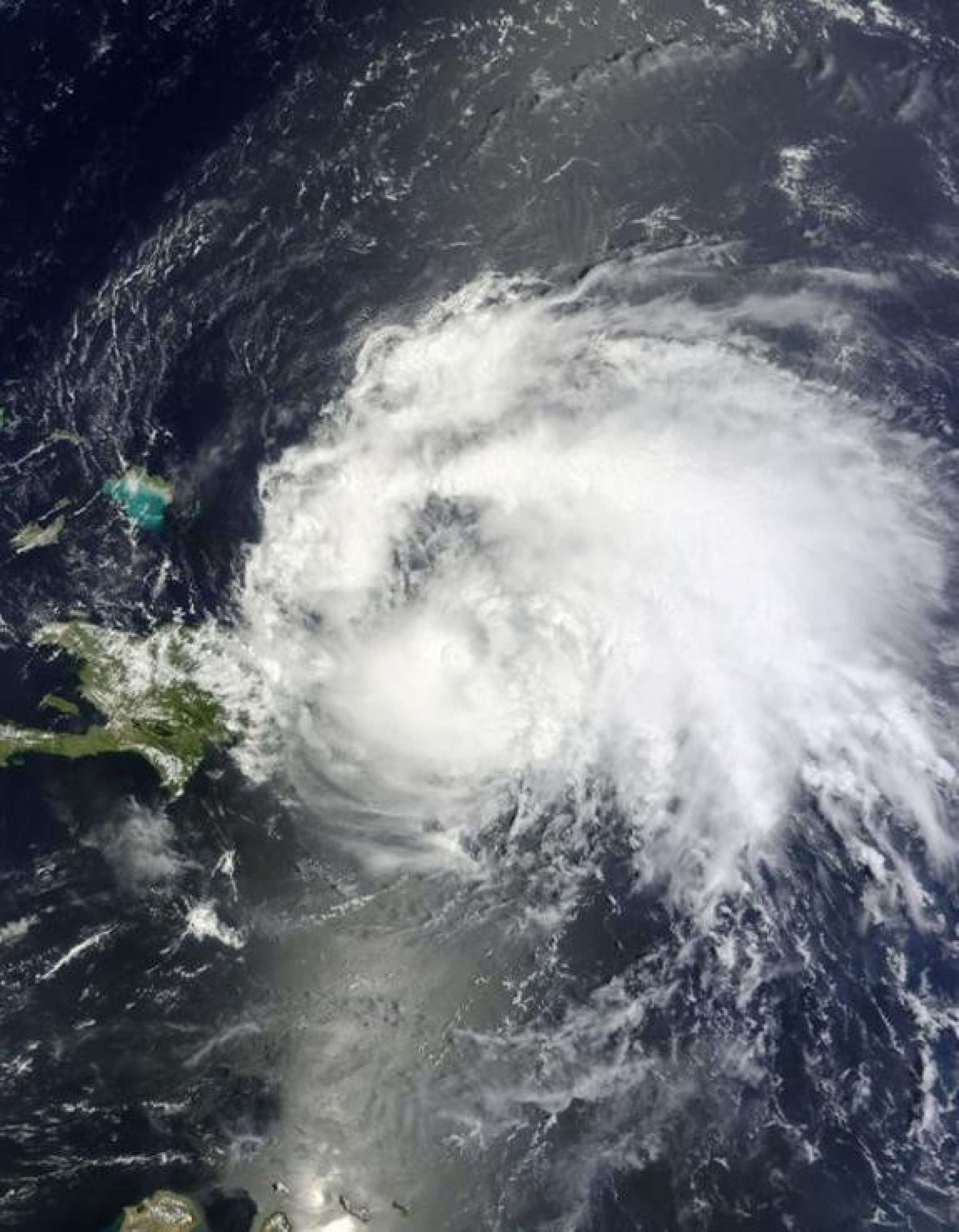
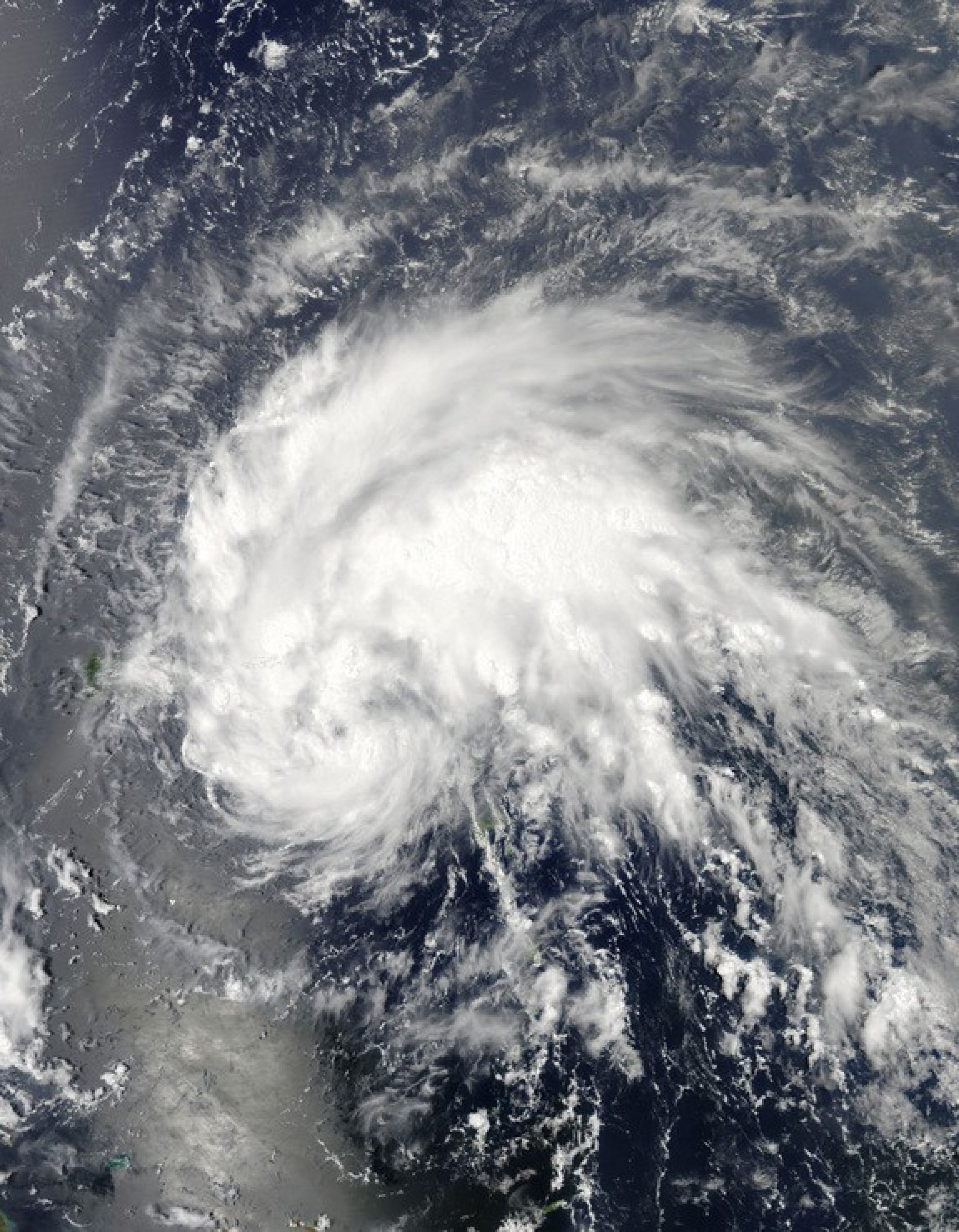
As the East Coast prepares for Hurricane Irene to strike this weekend, NASA satellites have captured Hurricane Irene's track since it began as a tropical storm far out in the Atlantic Ocean.
NASA astronauts on the International Space Station (ISS) have seen the tropical storm, which began in the Atlantic Ocean, moving toward the U.S. East Coast and captured a series of photos and videos using the NOAA Geostationary Operational Environmental Satellite (GOES-13) satellite.
Mike Fossum, a NASA astronaut, said Hurricane Irene looks terrifying from above.
We saw a big change in the structure of the storm over the several days that we've watched her, especially yesterday, Fossum told Space.com.
Expected to begin in the Carolinas, the category two storm is predicted to begin on Saturday, relentlessly plowing its way up to coast towards Long Island, where the Hurricane Irene track could possibly take a landfall.
Here is an animation of the Hurricane Irene track, sped up using infrared and visible frames of data from the GOES-13 satellite and squeezed down to 36 seconds.
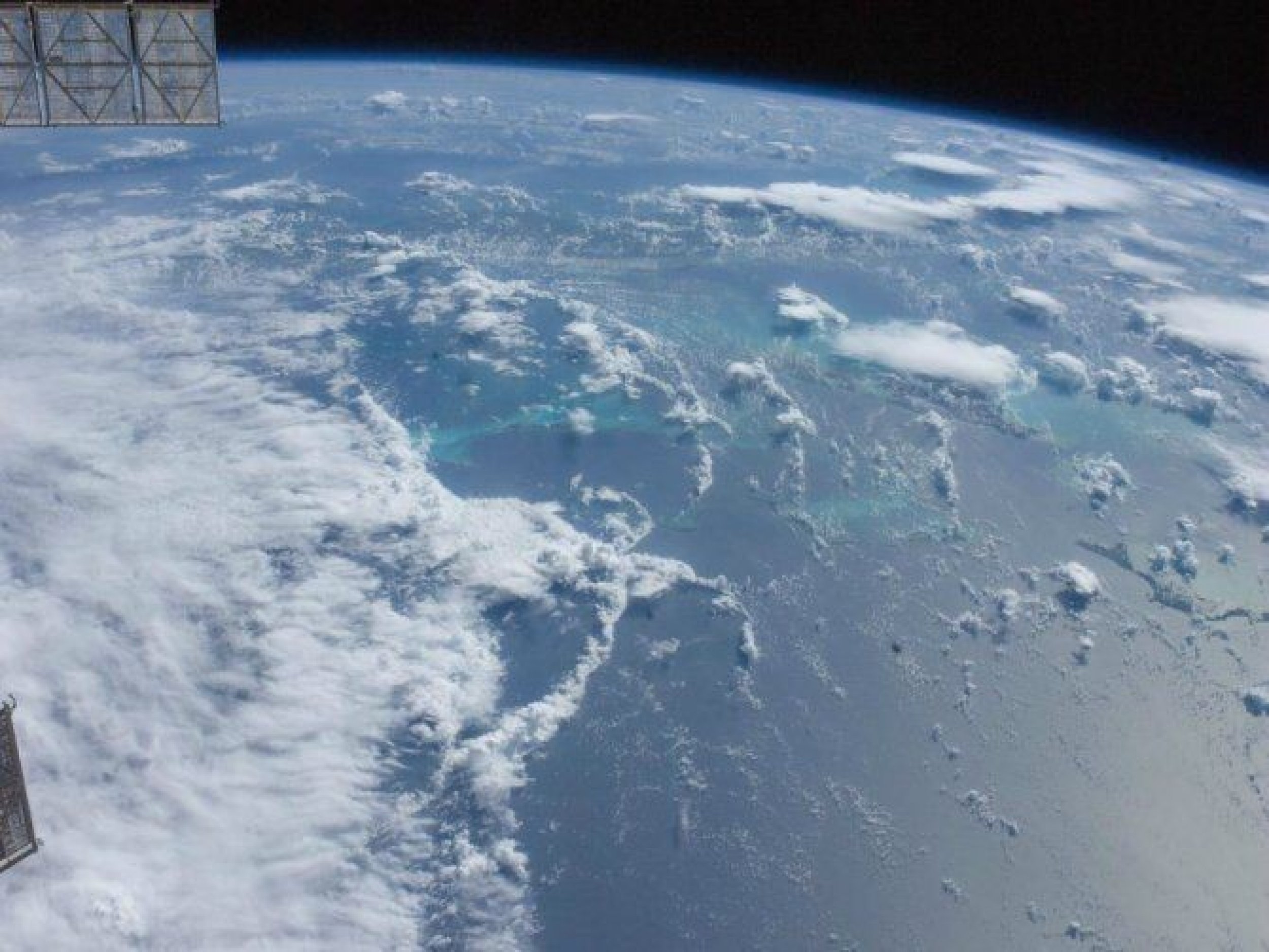
NASA handout image of Hurricane Irene moving over the Caribbean taken by astronaut Ron Garan from the International Space Station, August 22, 2011. ReutersA digital photo from the International Space Station from Aug. 23, 2011, allows the viewer to look toward the southwest at part of Hurricane Irene churning near the northern Bahamas, including Great Abaco Island (lower right), Andros Island under a thunderstorm (center right) and a "fair" Cuba from left to right (upper center). The outflow and some of the banding of the northwest side of Irene are visible on the lower left. Meteorologists say Irene probably was centered over Acklins Island packing 120 mile per hour winds when the photo was taken. NASAThis NASA satellite image, released to Reuters August 25, 2011, shows Hurricane Irene (center left) moving through the Bahamas on August 25, 2011 at 10:02 a.m. EDT. Hurricane Irene bore down on North Carolina on Friday, tens of thousands of people evacuated and East Coast cities including New York braced for a weekend hit from the powerful storm.REUTERSAstronaut Ron Garan tweeted this picture of Hurricane Irene from the International Space Station on August 24, 2011: "Ominous view #FromSpace of Hurricane #Irene east of the Bahamas @ 3:14pm EST today. East FL coast is calm b4 storm."NAsAAs Hurricane Irene continues to strengthen, its shape is becoming more defined. In this image, taken by the GOES satellite at 2:55 p.m. Eastern Daylight Time on August 24, 2011, Irene has a distinct eye. The clouds spiraling around the center are becoming more compact, and the storm is more circular than in previous days.NASA/GOES Project Science teamHurricane Irene, the first hurricane of the 2011 Atlantic hurricane season, was seen from space today (Aug. 22) as it roared past Puerto Rico.NASAThis visible image was taken from the MODIS instrument on NASA's Aqua satellite on Aug. 21, 2011 at 17:45 UTC (1:45 p.m. EDT) when Irene was still a tropical storm approaching Puerto Rico (left).NASA Goddard MODIS Rapid Respo